Introduction
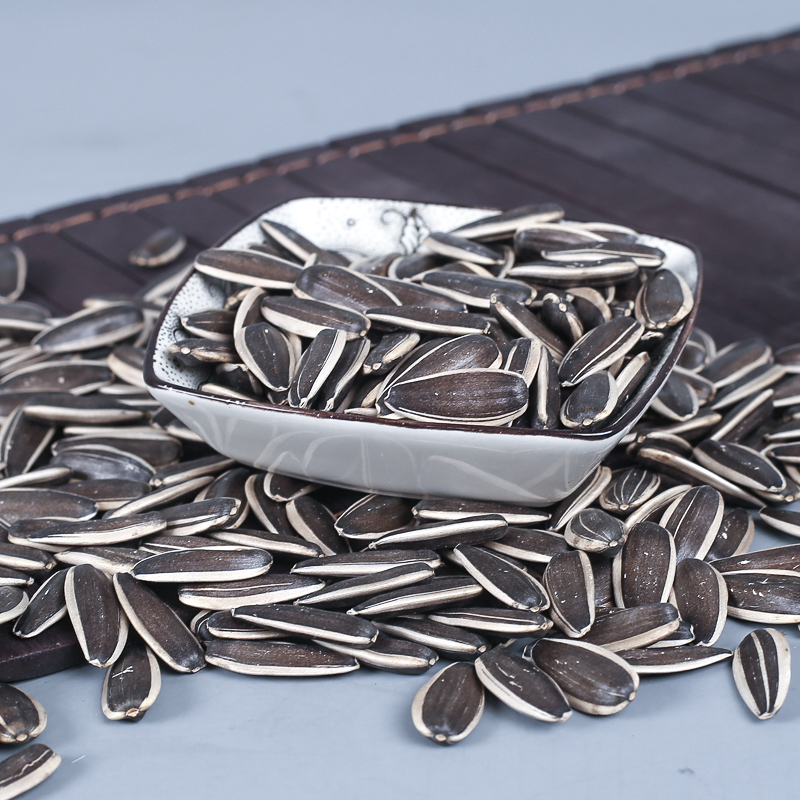
China sunflower seeds 363 represent a commercially significant cultivar within the Helianthus annuus species, cultivated primarily for human consumption as a snack food. Positioned within the agricultural commodity chain, these seeds undergo post-harvest processing – including drying, dehulling, grading, and often flavoring – before reaching the consumer market. Core performance characteristics center around kernel size, oil content, protein levels, and the absence of detrimental defects like mold or insect damage. The varietal designation ‘363’ indicates a specific breeding line, optimized for attributes such as yield, disease resistance, and seed quality within the context of Chinese agricultural practices. Demand is driven by established consumer preferences for a nutritious and convenient snack, coupled with increasing global trade in agricultural products. Maintaining consistent quality and adhering to food safety standards are paramount concerns for producers and exporters.
Material Science & Manufacturing
The primary raw material is, of course, the sunflower seed itself. Botanically, the seed comprises the embryo, endosperm (rich in oil and protein), and seed coat (hull). Chemically, the oil is predominantly comprised of linoleic acid (a polyunsaturated omega-6 fatty acid), oleic acid (a monounsaturated fatty acid), and palmitic acid (a saturated fatty acid). Protein content varies depending on the cultivar but typically falls between 20-25%. Manufacturing begins with field harvesting, followed by drying to reduce moisture content to around 8-10% to prevent mold growth. Mechanical dehulling removes the outer hull, a critical step impacting product palatability. Grading separates seeds based on size and density using screens and air classifiers. Flavoring, often involving salt, seasonings, or coatings, is applied through tumbling or spray applications. Parameter control during drying is crucial; excessive heat degrades oil quality and protein denaturation. Dehulling efficiency directly impacts yield and kernel damage. Flavor application requires precise metering to ensure uniformity. The seed coat contains lignins and cellulose, providing structural integrity; its removal impacts the seed’s textural properties.
Performance & Engineering
Performance relates to the seed's ability to withstand processing, maintain quality during storage, and deliver desirable sensory attributes. Force analysis during dehulling assesses the fracture strength of the hull and kernel, optimizing machine settings to minimize damage. Environmental resistance focuses on preventing lipid oxidation, a primary cause of rancidity. This is addressed through packaging with low oxygen permeability and the addition of antioxidants (e.g., Vitamin E). Compliance requirements center on food safety regulations, including limits on aflatoxin contamination (a mycotoxin produced by Aspergillus fungi) and pesticide residues. Functional implementation concerns the effectiveness of flavoring adherence and the overall sensory experience. The seed’s oil content dictates its caloric density. The kernel’s hardness influences its textural perception (crunchiness). Moisture content is a critical parameter impacting both shelf life and susceptibility to microbial growth. Packaging material selection is critical; inadequate barrier properties accelerate oxidation and moisture absorption, leading to quality degradation.
Technical Specifications
| Parameter | Unit | Specification (China Sunflower Seeds 363) | Test Method |
|---|---|---|---|
| Oil Content (Dry Basis) | % | 48-52 | Soxhlet Extraction (GB 5009.3) |
| Protein Content (Dry Basis) | % | 20-25 | Kjeldahl Method (GB 5009.5) |
| Moisture Content | % | ≤ 8.0 | Oven Drying (GB 5009.4) |
| Kernel Size (Mean Diameter) | mm | 10-13 | Sieve Analysis |
| Broken Kernels | % | ≤ 5.0 | Visual Inspection |
| Aflatoxin B1 | µg/kg | ≤ 2.0 | HPLC (GB 5009.6) |
Failure Mode & Maintenance
Failure modes for China sunflower seeds 363 can be categorized as physical, chemical, and biological. Physical failures include kernel cracking during processing or handling, reducing market value. Chemical failures predominantly involve lipid oxidation, leading to rancidity and off-flavors. This is exacerbated by exposure to oxygen, light, and high temperatures. Biological failures are related to microbial contamination (mold growth, particularly Aspergillus species) resulting in aflatoxin production. Proper storage is crucial for maintenance. Seeds should be stored in cool, dry, and well-ventilated conditions. Packaging with high barrier properties (low oxygen transmission rate) is essential. Regular monitoring for moisture content and signs of mold growth is recommended. Implementing a First-In, First-Out (FIFO) inventory management system minimizes storage time. Antioxidant addition can extend shelf life by inhibiting lipid oxidation. Preventive maintenance of processing equipment ensures minimal kernel damage during dehulling and grading. Controlling insect populations within storage facilities prevents contamination and quality degradation.
Industry FAQ
Q: What are the key factors influencing the shelf life of China Sunflower Seeds 363?
A: The primary factors are moisture content, oil quality (lipid oxidation potential), packaging barrier properties, and storage temperature. High moisture content promotes mold growth, while oxidation leads to rancidity. Oxygen-permeable packaging and elevated temperatures accelerate these degradation processes. Optimal storage involves low temperature, low humidity, and packaging with low oxygen transmission rates.
Q: How is aflatoxin contamination monitored and controlled?
A: Aflatoxin levels are monitored through regular sampling and laboratory analysis using techniques like High-Performance Liquid Chromatography (HPLC). Control measures involve pre-harvest practices to minimize fungal infection (e.g., selecting disease-resistant cultivars, controlling insect pests), proper drying and storage to prevent mold growth, and strict adherence to quality control protocols during processing and handling. Regulatory limits are enforced to ensure consumer safety.
Q: What is the impact of dehulling efficiency on the final product quality?
A: Dehulling efficiency directly affects the palatability and consumer acceptance of the seeds. Incomplete dehulling leaves residual hull fragments, imparting a bitter taste and undesirable texture. Excessive dehulling can damage the kernel, leading to broken pieces and increased fines. Optimizing dehulling parameters (e.g., impact force, shell gap) is crucial for maximizing efficiency while minimizing damage.
Q: What are the typical oil profile specifications required by international buyers?
A: International buyers generally specify minimum levels of oleic acid (often preferring high-oleic varieties) and limits on linolenic acid (due to its susceptibility to oxidation). They also request detailed analysis of fatty acid composition, peroxide value (an indicator of oxidation), and iodine value (related to unsaturation). Compliance with relevant food safety standards (e.g., EU regulations) is also paramount.
Q: What are the common flavoring applications and their impact on product stability?
A: Common flavorings include salt, chili powder, BBQ seasoning, and various coatings. Salt can promote moisture absorption, potentially affecting texture and shelf life. Spice blends containing oils can accelerate oxidation. Coatings can provide a barrier against oxygen and moisture but must be food-grade and compatible with the seed's oil profile. The application method must ensure even distribution and adhesion without damaging the kernels.
Conclusion
China sunflower seeds 363 represent a complex agricultural product requiring meticulous attention to detail throughout the entire value chain, from breeding and cultivation to processing, packaging, and storage. Maintaining optimal oil quality, controlling moisture content, and preventing aflatoxin contamination are paramount concerns. The technical specifications outlined in this guide provide a framework for evaluating product quality and ensuring compliance with international standards.
Continued research and development efforts focused on breeding for improved oil profiles, enhancing disease resistance, and optimizing processing technologies will be crucial for sustaining the competitiveness of China sunflower seeds 363 in the global market. The integration of advanced analytical techniques for quality control and the adoption of sustainable agricultural practices will further enhance the long-term viability of this important commodity.
