Introduction
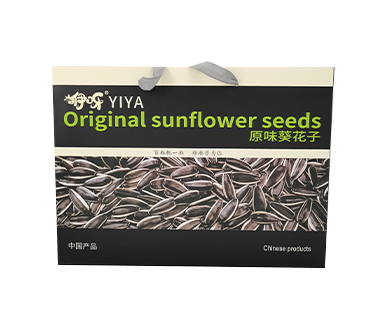
China sunflower seeds 361/363/601 represent a significant segment of the global edible seed market, primarily cultivated for direct human consumption. These varieties, differentiated by seed size and hull characteristics (361, 363 denoting size grading, and 601 potentially indicating a specific cultivar or oil content), occupy a crucial position within the agricultural processing industry chain, bridging primary production with food manufacturing and retail distribution. Core performance characteristics revolve around kernel yield, oil content, protein content, and the absence of aflatoxins and other mycotoxins. The market demands consistent quality, appropriate moisture content for optimal shelf life, and minimal levels of foreign material. This guide will delve into the material science, manufacturing processes, performance attributes, potential failure modes, and relevant standards governing these sunflower seeds, providing a comprehensive technical overview for industry professionals.
Material Science & Manufacturing
Sunflower seeds 361/363/601 derive their properties from the genetic composition of the Helianthus annuus plant. The kernel, the edible portion, is composed primarily of oil (40-50% linoleic acid, 20-30% oleic acid), protein (20-25%), carbohydrates, and fiber. The hull (pericarp) provides physical protection and contributes to seed integrity. Raw material selection focuses on cultivars with high oil yield, desirable fatty acid profiles, and inherent resistance to fungal contamination. Manufacturing begins with field cultivation, followed by harvesting, drying (to approximately 8-10% moisture content – critical for preventing mold growth and maintaining viability), dehulling (mechanical removal of the hull), and grading based on seed size (361, 363) and quality. Dehulling employs impact and friction methods, necessitating precise control of machine parameters (impact velocity, gap settings) to minimize kernel damage. Sorting utilizes screens and optical sorters to remove foreign material (stalks, leaves, stones) and defective seeds. Parameter control during drying is paramount; excessively high temperatures lead to protein denaturation and reduced oil quality, while insufficient drying promotes microbial growth. Oil extraction, though not directly part of the seed product’s manufacturing, significantly influences cultivar selection and kernel quality expectations. Seed storage requires controlled temperature and humidity (typically below 15°C and 65% relative humidity) to prevent lipid oxidation and maintain viability.
Performance & Engineering
The performance of china sunflower seeds 361/363/601 is assessed across several critical engineering parameters. Tensile strength of the kernel is important for minimizing breakage during handling and processing. Impact resistance dictates the seed’s ability to withstand mechanical stress during dehulling and transportation. Moisture content is a key performance indicator directly impacting shelf life and susceptibility to microbial growth; water activity (Aw) is typically maintained below 0.6. Oil stability, measured via peroxide value (PV) and anisidine value (AV), indicates the degree of lipid oxidation and rancidity development during storage. Environmental resistance focuses on tolerance to temperature fluctuations and humidity variations during storage and transport. Compliance requirements, dictated by national and international food safety regulations, mandate adherence to maximum permissible levels of heavy metals (lead, cadmium, mercury), pesticides, and mycotoxins (aflatoxins, ochratoxin A). Functional implementation concerns the suitability of the seeds for various food applications, including direct consumption (roasted, salted), confectionery applications (coated seeds), and oil extraction. Packaging materials must provide a barrier to moisture and oxygen to maintain seed quality and prevent rancidity.
Technical Specifications
| Parameter | Unit | 361 Variety | 363 Variety |
|---|---|---|---|
| Kernel Size (Diameter) | mm | 12-14 | 14-16 |
| Oil Content (Dry Basis) | % | 48-52 | 46-50 |
| Protein Content (Dry Basis) | % | 22-25 | 20-23 |
| Moisture Content (Maximum) | % | 8.0 | 8.0 |
| Foreign Matter (Maximum) | % | 1.0 | 1.0 |
| Broken Kernels (Maximum) | % | 3.0 | 3.0 |
Failure Mode & Maintenance
Failure modes for china sunflower seeds 361/363/601 primarily relate to degradation of quality during storage and transportation. Lipid oxidation, leading to rancidity, is a common failure, accelerated by exposure to oxygen, light, and elevated temperatures. Aflatoxin contamination, resulting from Aspergillus flavus and Aspergillus parasiticus fungal growth, represents a critical safety hazard. Mechanical damage during dehulling or handling causes kernel breakage, reducing market value. Insect infestation can lead to significant losses and contamination. Maintenance strategies focus on preventative measures. Proper drying and storage conditions (low temperature, low humidity, dark environment) are crucial for minimizing lipid oxidation and fungal growth. Regular monitoring for aflatoxins using ELISA or HPLC techniques is essential. Implementing robust pest control measures prevents insect infestation. Packaging should be airtight and constructed from materials providing a barrier to oxygen and moisture. Regular quality control checks, including visual inspection, moisture content analysis, and oil quality assessment (PV, AV), are vital for identifying and addressing potential issues before they escalate. Controlled atmosphere storage (modified atmosphere packaging) can extend shelf life by reducing oxygen levels.
Industry FAQ
Q: What is the primary risk associated with prolonged storage of these sunflower seeds?
A: The primary risk is lipid oxidation, leading to rancidity and a decrease in oil quality. This is exacerbated by exposure to oxygen, light, and elevated temperatures. Monitoring peroxide value (PV) and anisidine value (AV) is essential to detect the onset of rancidity.
Q: How critical is the initial moisture content after harvest?
A: Initial moisture content is critically important. If too high (above 10%), it promotes fungal growth, potentially leading to aflatoxin contamination. If too low, it can cause kernel damage and reduce oil yield. Optimal moisture content for storage is typically 8-10%.
Q: What methods are employed to ensure aflatoxin levels comply with international standards?
A: Aflatoxin levels are monitored using sensitive analytical techniques such as Enzyme-Linked Immunosorbent Assay (ELISA) and High-Performance Liquid Chromatography (HPLC). Strict quality control procedures are implemented throughout the entire supply chain, from field cultivation to processing and storage.
Q: How do the 361 and 363 varieties differ in terms of application suitability?
A: The 363 variety, with its larger kernel size, is often preferred for direct consumption as a snack food due to its more substantial bite. The 361 variety may be favored for applications where smaller seed size is desired, such as in confectionery or as an ingredient in processed foods.
Q: What packaging materials are recommended for long-term storage and transport?
A: Packaging materials should provide a barrier to moisture, oxygen, and light. Multi-layer films incorporating aluminum foil or metallized polyester are commonly used. Vacuum packaging or modified atmosphere packaging (MAP) with reduced oxygen levels can further extend shelf life.
Conclusion
China sunflower seeds 361/363/601 represent a complex agricultural product with performance characteristics determined by genetic factors, manufacturing processes, and storage conditions. Maintaining optimal quality requires meticulous control over moisture content, prevention of lipid oxidation, and stringent monitoring for mycotoxin contamination. Understanding the interplay between material science, engineering principles, and regulatory requirements is paramount for industry stakeholders.
Future advancements will likely focus on developing cultivars with enhanced resistance to fungal contamination, improved oil stability, and optimized kernel characteristics for specific applications. The implementation of advanced monitoring technologies and traceability systems will further enhance food safety and quality assurance. Continued research into sustainable agricultural practices and efficient processing methods will be crucial for ensuring the long-term viability of this important food source.
