Introduction
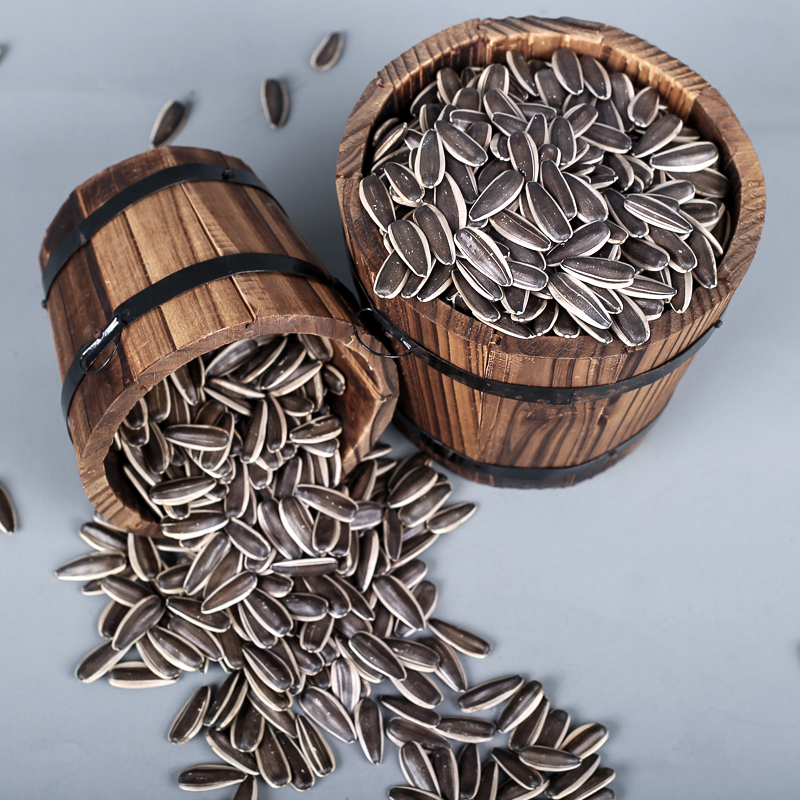
China sunflower seeds, packaged in 25kg units, represent a significant commodity in the global agricultural market. This technical guide details the characteristics, manufacturing processes, performance attributes, and potential failure modes of these seeds, geared towards B2B buyers and quality control professionals. Sunflower seeds ( Helianthus annuus ) are primarily categorized by kernel size, oil content, and intended application – confectionery, oil extraction, or birdseed. The 25kg packaging standard facilitates efficient handling and transport across international supply chains. Core performance indicators include oil yield, protein content, moisture level, and the absence of aflatoxin contamination. This guide will provide a comprehensive overview from seed selection and cultivation to post-harvest processing and quality assurance, with specific consideration given to adherence to international trade standards.
Material Science & Manufacturing
Sunflower seeds are primarily composed of lipids (40-50%), proteins (20-25%), carbohydrates (15-20%), and fiber (5-10%). The lipid composition is dominated by linoleic acid (an omega-6 fatty acid) and oleic acid (an omega-9 fatty acid). The shell, or hull, is composed largely of cellulose and lignin, providing a protective barrier. Manufacturing begins with seed selection, prioritizing high-yielding, disease-resistant varieties. Cultivation requires well-drained soil and sufficient sunlight. Critical parameters during growth include moisture levels and fertilizer application. Harvesting is typically mechanical, followed by drying to reduce moisture content to approximately 9-10% to prevent fungal growth and maintain seed viability. The drying process utilizes controlled temperature and airflow, employing techniques like forced-air drying or solar drying. Dehulling (removing the shell) is performed mechanically using abrasive techniques, followed by size grading and sorting. Optical sorting technology is increasingly used to remove discolored or damaged seeds. Packaging into 25kg polypropylene woven bags with polyethylene liners is standard practice, providing adequate protection against moisture and contamination. Control of particle size distribution during dehulling impacts oil extraction efficiency; finer particles yield higher oil recovery but may also increase processing costs.
Performance & Engineering
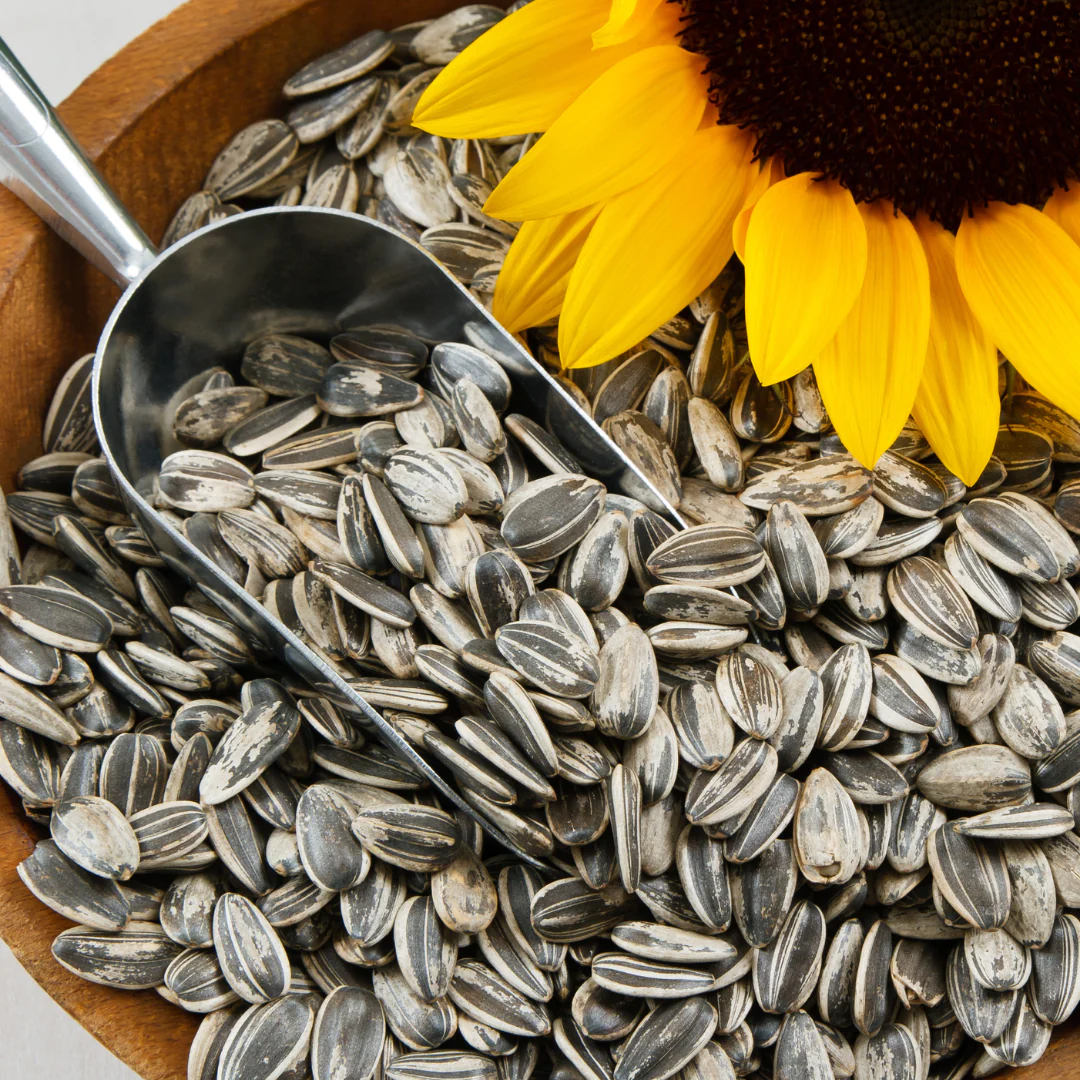
The performance of sunflower seeds is heavily influenced by their physical and chemical properties. Oil yield, measured as the percentage of oil extracted from the kernel, is a key parameter. Engineering considerations focus on optimizing oil extraction processes, typically utilizing mechanical pressing or solvent extraction (hexane). Force analysis during pressing determines the optimal pressure for maximizing oil yield while minimizing seed damage. Environmental resistance is crucial; seeds must withstand storage conditions (temperature, humidity) without significant degradation in quality. Aflatoxin contamination, caused by Aspergillus flavus fungus, is a major concern, requiring strict quality control measures during drying, storage, and handling. Compliance requirements include adherence to maximum allowable aflatoxin levels as set by regulatory bodies like the FDA (USA) and the EU. Furthermore, the physical integrity of the 25kg packaging is paramount to prevent seed loss, moisture ingress, and contamination during transport. The tensile strength of the packaging material must withstand the stresses of handling and stacking. Proper ventilation within the packaging is also critical to prevent condensation and fungal growth.
Technical Specifications
| Parameter | Unit | Specification | Test Method |
|---|---|---|---|
| Oil Content | % | 48-52 | Soxhlet Extraction (GB/T 5009.3) |
| Moisture Content | % | ≤9.0 | Oven Drying (GB/T 5009.4) |
| Protein Content | % | 18-22 | Kjeldahl Method (GB/T 5009.5) |
| Kernel Size (Diameter) | mm | 12-16 | Sieve Analysis |
| Aflatoxin B1 | µg/kg (ppb) | ≤2.0 | HPLC (GB 5009.13) |
| Foreign Matter | % | ≤1.0 | Visual Inspection/Hand Sorting |
Failure Mode & Maintenance
Common failure modes for sunflower seeds in storage and transport include: (1) Lipid Oxidation: Exposure to oxygen, light, and heat can cause rancidity and a decrease in oil quality. Mitigation involves storing seeds in cool, dark, and airtight containers. Antioxidant packaging films can also be employed. (2) Aflatoxin Contamination: Improper drying and storage conditions promote fungal growth and aflatoxin production. Regular monitoring and the use of antifungal treatments (where permissible) are crucial. (3) Physical Damage: Impact damage during handling can crack kernels, reducing their value and increasing susceptibility to pest infestation. Gentle handling practices and robust packaging are essential. (4) Insect Infestation: Storage pests can damage seeds and contaminate them with waste products. Proper sanitation and the use of insecticidal treatments (where permissible) are necessary. (5) Moisture Absorption: Exposure to high humidity can lead to seed germination or fungal growth. Maintaining low moisture content and utilizing moisture-barrier packaging are vital. Maintenance includes regular inspection of stored seeds for signs of damage or contamination. First-in, first-out (FIFO) inventory management is recommended to minimize storage time. Temperature and humidity control within storage facilities are paramount.
Industry FAQ
Q: What is the acceptable range for free fatty acids (FFA) in sunflower seeds intended for oil extraction?
A: Typically, a FFA level of less than 1.0% is desirable for optimal oil extraction and refining efficiency. Higher FFA levels indicate increased hydrolysis of triglycerides, leading to lower oil quality and increased processing costs. The acceptable range can vary slightly depending on the refining process used.
Q: How does the hulling percentage affect the overall quality and price of sunflower seeds?
A: A higher hulling percentage (greater kernel weight to total seed weight) generally indicates higher quality and commands a premium price. It signifies efficient dehulling and minimizes waste. However, aggressive hulling can damage the kernels, reducing their oil yield and quality. A balance must be struck between maximizing hulling percentage and preserving kernel integrity.
Q: What specific regulations govern the permissible levels of pesticides in sunflower seeds destined for the EU market?
A: The EU has strict regulations regarding pesticide residues, outlined in Regulation (EC) No 396/2005. Maximum Residue Levels (MRLs) are established for various pesticides. Compliance requires thorough testing and documentation to demonstrate that pesticide residue levels are below the specified MRLs.
Q: What is the significance of the peroxide value in assessing the oxidative stability of sunflower seed oil?
A: The peroxide value (PV) measures the concentration of peroxides formed during lipid oxidation. A lower PV indicates better oxidative stability and fresher oil. High PV values signify rancidity and decreased oil quality. It's a crucial indicator for assessing the storage life and suitability of sunflower seeds for oil extraction.
Q: How important is traceability throughout the sunflower seed supply chain, and what technologies are used to ensure it?
A: Traceability is paramount for food safety and quality control. It allows for rapid identification and recall of contaminated products. Technologies used include barcode scanning, RFID tagging, blockchain, and cloud-based supply chain management systems. These systems track the seeds from the field to the final product, providing a complete audit trail.
Conclusion
China sunflower seeds, packaged in 25kg units, represent a complex agricultural commodity subject to stringent quality standards and performance requirements. Understanding the material science, manufacturing processes, and potential failure modes is crucial for B2B procurement and quality assurance. Maintaining optimal moisture content, preventing aflatoxin contamination, and ensuring robust packaging are critical factors influencing the long-term stability and commercial value of the product.
Future developments in sunflower seed technology are likely to focus on genetic modification to enhance oil yield, improve disease resistance, and increase tolerance to environmental stresses. Advancements in packaging materials will also play a key role in extending shelf life and reducing post-harvest losses. Continued adherence to international standards and robust quality control procedures will remain essential for ensuring the safe and reliable supply of this important agricultural product.
