Introduction
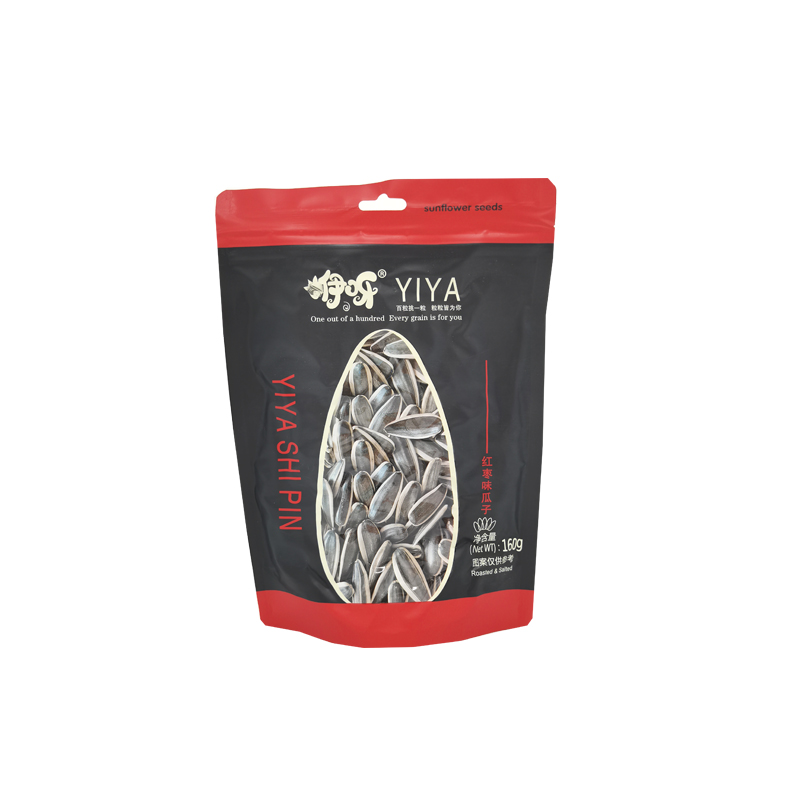
China sunflower seeds, typically packaged in 20kg units for bulk distribution, represent a significant commodity in the global food and agricultural markets. These seeds, derived from Helianthus annuus, are positioned within the supply chain as both a direct consumer food product and a crucial input for oil extraction. Core performance characteristics include oil content, protein levels, hull percentage, and kernel size, impacting both consumer preference and industrial processing efficiency. The increasing demand for plant-based protein and healthy fats has heightened the importance of consistent quality and traceability in sunflower seed production, driving advancements in post-harvest handling and storage techniques. This guide provides a comprehensive technical overview of the material science, manufacturing processes, performance parameters, failure modes, and relevant standards associated with 20kg packages of china sunflower seeds.
Material Science & Manufacturing
Sunflower seeds are biologically complex, composed primarily of lipid (35-58%), protein (18-25%), carbohydrates (12-20%), and fiber (6-10%). The lipid composition varies significantly between cultivars, impacting oil quality and oxidative stability. Raw material selection focuses on high-oleic acid varieties for prolonged shelf life and improved nutritional profiles. Manufacturing begins with harvesting, typically employing combine harvesters equipped with threshing and cleaning mechanisms. Post-harvest processing involves drying to a moisture content of approximately 9-10% to inhibit microbial growth and enzymatic activity. This is commonly achieved using forced-air dryers, carefully monitored to prevent overheating and protein denaturation. De-hulling, the removal of the outer shell (hull), is a critical step influencing product appeal and processing efficiency. Mechanical de-hullers utilize friction to separate the kernel, and efficiency is dependent on kernel size and hull adhesion. Further grading and sorting occur based on size, density, and visual quality, removing damaged or discolored seeds. Packaging into 20kg bags usually employs woven polypropylene (PP) bags, selected for their tensile strength, durability, and relatively low cost. Bag sealing methods, including heat sealing and stitching, must ensure integrity and prevent moisture ingress. Parameter control during drying (temperature, airflow, duration) is paramount, as is precise calibration of de-hulling equipment to minimize kernel damage. Storage conditions—low temperature (below 15°C) and relative humidity (below 65%)—are essential for maintaining seed quality and preventing rancidity.
Performance & Engineering
The performance of sunflower seeds, especially when considering long-term storage and transport within 20kg packaging, is governed by several engineering principles. Moisture content is a critical factor; exceeding 10% significantly increases the risk of fungal contamination (e.g., Aspergillus flavus, producing aflatoxins) and accelerates lipid oxidation. The structural integrity of the PP bag is paramount for preventing physical damage during handling. Force analysis reveals that the bags must withstand stresses from stacking, dropping, and abrasion. Tensile strength, measured in Newtons (N), and tear resistance, assessed via Elmendorf testing, are key performance indicators. Environmental resistance is primarily focused on barrier properties: the PP bag should minimize moisture vapor transmission rate (WVTR) and oxygen transmission rate (OTR) to preserve seed quality. Compliance requirements include adherence to national and international food safety standards (e.g., HACCP, ISO 22000) regarding aflatoxin levels, pesticide residues, and heavy metal contamination. Functional implementation involves optimizing packaging design for efficient palletization and transport, maximizing space utilization and minimizing shipping costs. Impact resistance testing simulates real-world handling scenarios, evaluating the bag's ability to withstand shocks and vibrations. Aflatoxin control is engineered through preventative measures during cultivation, harvesting, drying, and storage, alongside rigorous quality control testing.
Technical Specifications
| Parameter | Unit | Typical Value (China Sunflower Seeds, 20kg Packaged) | Test Method |
|---|---|---|---|
| Oil Content (Dry Basis) | % | 48-52 | Soxhlet Extraction (GB/T 5009.3) |
| Protein Content (Dry Basis) | % | 18-22 | Kjeldahl Method (GB/T 5009.4) |
| Moisture Content | % | 8-10 | Oven Drying Method (GB/T 5009.2) |
| Hull Percentage | % | 20-30 | Visual Sorting & Weight Determination |
| Kernel Size (Diameter) | mm | 12-16 | Sieve Analysis |
| Aflatoxin B1 (Maximum) | µg/kg | 2 | HPLC (GB 50008.13) |
Failure Mode & Maintenance
Failure modes for 20kg packages of china sunflower seeds can be categorized as product degradation and packaging failure. Product degradation includes rancidity (oxidative deterioration of lipids, resulting in off-flavors and decreased nutritional value), fungal contamination (leading to aflatoxin production and rendering the seeds unfit for consumption), and insect infestation. These are typically accelerated by high temperature, humidity, and prolonged storage. Packaging failure manifests as bag rupture (due to excessive stress during handling), seal failure (allowing moisture ingress and pest access), and material degradation (UV exposure causing PP embrittlement). Failure analysis reveals that rancidity is often initiated by residual lipoxygenase activity and exacerbated by exposure to oxygen. Fungal growth requires both moisture and suitable temperature conditions. Preventative maintenance involves strict adherence to recommended storage conditions (temperature <15°C, RH <65%), regular monitoring of seed quality parameters (moisture content, oil acidity, aflatoxin levels), and implementing a robust pest control program. For packaging, inspecting bags for damage before filling, using high-quality sealing equipment, and providing UV protection during outdoor storage are crucial. Regular pallet wrapping and proper stacking techniques minimize physical stress during transportation. Addressing a compromised package necessitates immediate isolation and quality assessment of the affected seeds.
Industry FAQ
Q: What is the acceptable level of aflatoxin contamination in sunflower seeds intended for human consumption according to international standards?
A: The acceptable level varies by country, but a common standard is 2 parts per billion (ppb) for total aflatoxins. The European Union has stringent regulations, often setting limits even lower. Compliance with these regulations is vital for international trade and consumer safety.
Q: How does the hull percentage affect the shelf life and processing of sunflower seeds?
A: Higher hull percentages generally reduce oil content and increase fiber. Hulled seeds have a longer shelf life due to reduced surface area for oxidation. Processing efficiency is also improved with hulled seeds, as de-hulling operations are minimized during oil extraction or roasting.
Q: What is the role of oleic acid content in sunflower oil, and how is it measured?
A: Oleic acid is a monounsaturated fatty acid that contributes to the oxidative stability and heat resistance of sunflower oil. High-oleic acid varieties (typically >70%) are preferred for frying and cooking applications. Oleic acid content is typically measured using gas chromatography (GC) analysis.
Q: What are the critical considerations for selecting the appropriate PP bag for packaging 20kg of sunflower seeds?
A: Key considerations include tensile strength, tear resistance, WVTR, and UV stability. The bag should be able to withstand the stresses of handling and transportation without rupturing. Low WVTR is essential for maintaining seed quality and preventing moisture ingress.
Q: What drying methods are commonly used, and what are their advantages and disadvantages?
A: Forced-air drying is the most common method, offering relatively low cost and efficient moisture removal. However, it can lead to uneven drying and potential protein damage if not carefully controlled. Other methods include fluid bed drying (more uniform drying but higher energy consumption) and solar drying (environmentally friendly but weather-dependent).
Conclusion
The quality and stability of china sunflower seeds packaged in 20kg units are intricately linked to a complex interplay of material science, manufacturing processes, and engineering controls. Maintaining optimal moisture content, ensuring robust packaging integrity, and adhering to stringent food safety standards are paramount for preserving seed quality and preventing degradation. Understanding the factors influencing rancidity, fungal contamination, and packaging failure is critical for mitigating risks and maximizing shelf life.
Future advancements in sunflower seed technology will likely focus on developing cultivars with enhanced oil profiles, improved hullability, and increased resistance to fungal pathogens. Sustainable packaging solutions, utilizing biodegradable or recyclable materials, will also gain prominence. Continued investment in quality control measures, coupled with rigorous adherence to international standards, will be essential for ensuring the long-term viability of the sunflower seed industry and meeting the evolving demands of global consumers.
