Introduction
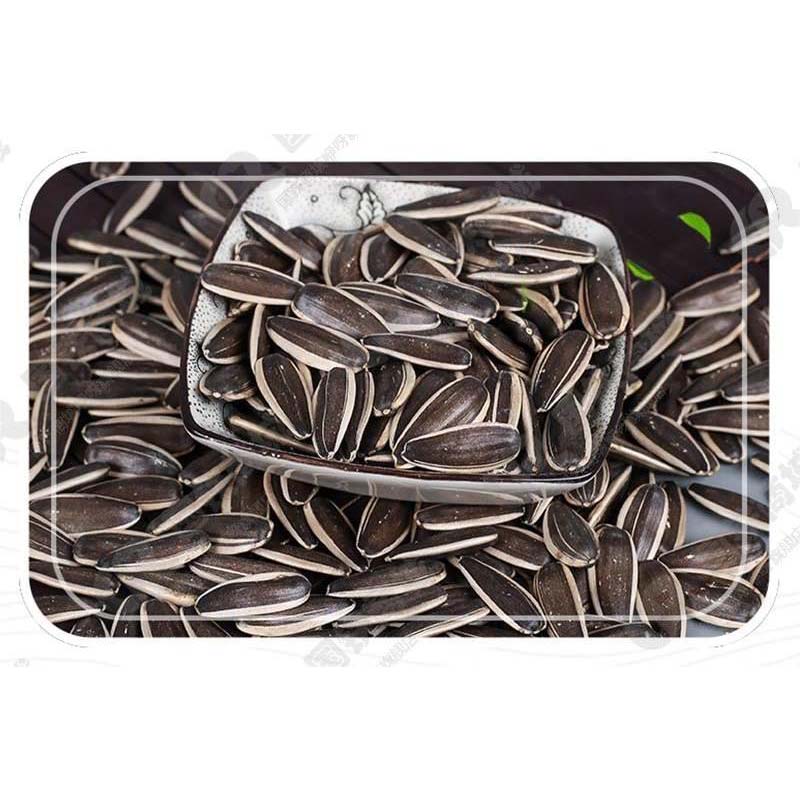
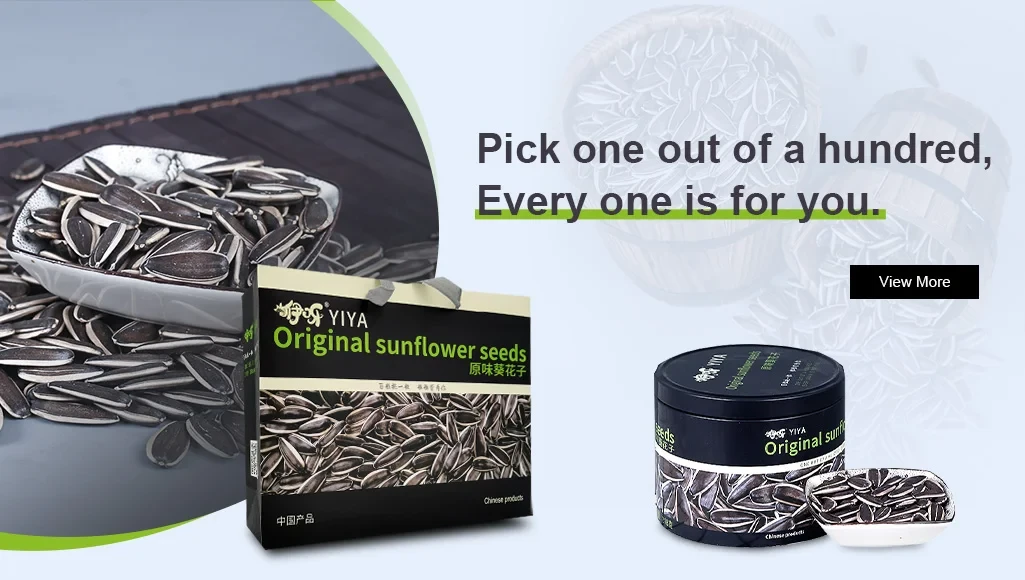
China sunflower seed packets represent a significant segment of the global snack food industry, serving as both a direct consumer product and a crucial component in agricultural trade. These packets typically contain hulled or in-shell sunflower seeds, often seasoned with a variety of flavorings. The product’s position within the supply chain begins with sunflower cultivation, processing (dehulling, grading, flavoring), packaging, and finally, distribution to retail markets. Core performance characteristics are defined by seed quality – including oil content, kernel size, and moisture content – packaging integrity to maintain freshness and prevent contamination, and adherence to stringent food safety regulations. The industry faces challenges regarding maintaining consistent seed quality due to variable growing conditions, optimizing packaging for shelf life and consumer appeal, and navigating evolving food safety standards. This guide provides a detailed technical overview of china sunflower seed packets, focusing on material science, manufacturing processes, performance parameters, potential failure modes, and relevant industry standards.
Material Science & Manufacturing
Sunflower seeds themselves are primarily composed of lipids (40-50% oil), proteins (20-25%), carbohydrates (15-20%), and fiber. The oil content is critical, influencing nutritional value and flavor. Kernel hardness is dictated by the protein matrix structure and moisture content. Manufacturing begins with harvesting mature sunflower heads. Seeds are extracted, cleaned, dried to a target moisture content of approximately 8-10% to prevent fungal growth and maintain quality, and then graded based on size and density. Dehulling, a mechanical process, removes the outer shell. Seasoning involves applying dry or liquid flavorings, often utilizing tumbling or coating technologies. The packet material is typically a multi-layer laminate structure. Common materials include biaxially oriented polypropylene (BOPP) for printability and tensile strength, polyethylene (PE) for sealing, and aluminum foil for barrier properties (oxygen transmission rate, moisture permeability, and light protection). Manufacturing of the packets themselves commonly utilizes flexographic printing for branding and product information, followed by lamination of the different layers using adhesive formulations based on polyurethane or acrylic polymers. Key parameter control during packaging involves maintaining consistent adhesive application, seal strength testing (typically exceeding 2 N/mm), and monitoring laminate thickness for barrier performance.
Performance & Engineering
The performance of china sunflower seed packets is critically linked to maintaining product freshness, preventing oxidation of the oil content, and protecting against microbial contamination. Oxygen Transmission Rate (OTR) is a key metric, typically specified below 20 cm³/m²/day to minimize rancidity. Water Vapor Transmission Rate (WVTR) is equally important, with targets below 3 g/m²/day to prevent softening of the seeds and maintain crispness. Packaging is subjected to force analysis during handling, transportation, and retail display. Tensile strength (minimum 20 MPa) and puncture resistance (minimum 5 N) are essential to prevent breakage and spillage. Accelerated shelf-life testing, often conducted at elevated temperatures (40°C) and humidity (75%), simulates long-term storage conditions and assesses the effectiveness of the barrier properties. Compliance requirements include adherence to food contact regulations (FDA in the US, EFSA in Europe, and GB standards in China), migration testing to ensure that no harmful substances leach from the packaging into the seeds, and labeling requirements detailing nutritional information, ingredients, and manufacturing date. The design also considers ergonomics – ease of opening and resealing – to enhance consumer experience.
Technical Specifications
| Parameter | Unit | Typical Value (China Sunflower Seed Packet) | Testing Standard |
|---|---|---|---|
| Oxygen Transmission Rate (OTR) | cm³/m²/day | < 20 | ASTM D3985 |
| Water Vapor Transmission Rate (WVTR) | g/m²/day | < 3 | ASTM E96 |
| Tensile Strength (BOPP layer) | MPa | 20-30 | ASTM D882 |
| Seal Strength | N/mm | > 2 | ASTM F88 |
| Oil Content (Sunflower Seeds) | % | 40-50 | GB 5516 |
| Moisture Content (Sunflower Seeds) | % | 8-10 | GB 5516 |
Failure Mode & Maintenance
Common failure modes for china sunflower seed packets include seal failures leading to product spoilage, punctures resulting in leakage, and degradation of the barrier properties over time. Seal failures can occur due to insufficient heat during sealing, contamination of the sealing surfaces, or defects in the PE layer. Punctures are often caused by sharp objects during handling and transportation. Degradation of barrier properties is typically linked to UV exposure, humidity, and the permeation of gases over extended storage periods. Oxidation of the oil within the seeds results in rancidity, indicated by off-flavors and odors. Maintenance and preventative measures include proper storage of the packets in cool, dry conditions, away from direct sunlight. Implementing quality control checks throughout the manufacturing process, including seal integrity testing and barrier property measurements, is crucial. For retailers, rotating stock to ensure freshness and minimizing handling damage are essential. Consumers should store opened packets in airtight containers to prevent moisture absorption and oxidation. Regarding packaging material, using UV inhibitors in the BOPP layer can extend shelf life. Utilizing thicker gauge materials for increased puncture resistance and employing high-quality adhesives for robust sealing are also effective mitigation strategies.
Industry FAQ
Q: What is the significance of the multi-layer laminate structure in sunflower seed packaging?
A: The multi-layer laminate structure is critical for providing a comprehensive barrier against oxygen, moisture, and light, all of which contribute to seed spoilage. Each layer serves a specific function – BOPP for strength and printability, PE for sealing, and aluminum foil for barrier properties – creating a synergistic protective environment.
Q: How does the moisture content of the sunflower seeds affect the packaging requirements?
A: Higher moisture content accelerates degradation and promotes microbial growth. Consequently, packaging with lower WVTR is required to maintain seed crispness and prevent spoilage. Precise control of seed moisture content during processing is therefore crucial.
Q: What are the key differences between dry and liquid seasoning applications, and how do they impact packaging?
A: Dry seasoning adheres to the seed surface mechanically, while liquid seasoning often contains oils and can potentially compromise the barrier properties of the packaging if not properly dried or sealed. Liquid seasoning necessitates a more robust seal and potentially a more oil-resistant inner layer.
Q: What role do regulatory standards (FDA, EFSA, GB) play in sunflower seed packet manufacturing?
A: Regulatory standards ensure food safety by setting limits on permissible migration of substances from packaging materials into the seeds, dictating labeling requirements, and establishing guidelines for good manufacturing practices. Compliance is non-negotiable for market access.
Q: What are the emerging trends in sustainable packaging for sunflower seeds?
A: Emerging trends include the use of bio-based polymers (e.g., PLA) for some laminate layers, recyclable mono-material structures, and reduced packaging weight to minimize environmental impact. These innovations are driven by increasing consumer demand for eco-friendly products.
Conclusion
China sunflower seed packets represent a complex interplay of agricultural product characteristics, material science, and manufacturing engineering. Achieving optimal performance – maintaining freshness, preventing spoilage, and ensuring consumer safety – hinges on meticulous control of seed quality, precise material selection for packaging, and adherence to rigorous quality control protocols. The multi-layer laminate structure provides the necessary barrier properties, but its effectiveness is contingent upon proper sealing, handling, and storage conditions.
Looking ahead, the industry will likely see a continued emphasis on sustainability, driving innovation in packaging materials and manufacturing processes. Balancing cost-effectiveness with environmental responsibility will be a key challenge. Furthermore, advancements in barrier technology and sealing techniques will be crucial for extending shelf life and reducing food waste, ultimately enhancing the value proposition of china sunflower seed packets in the global marketplace.
