Introduction
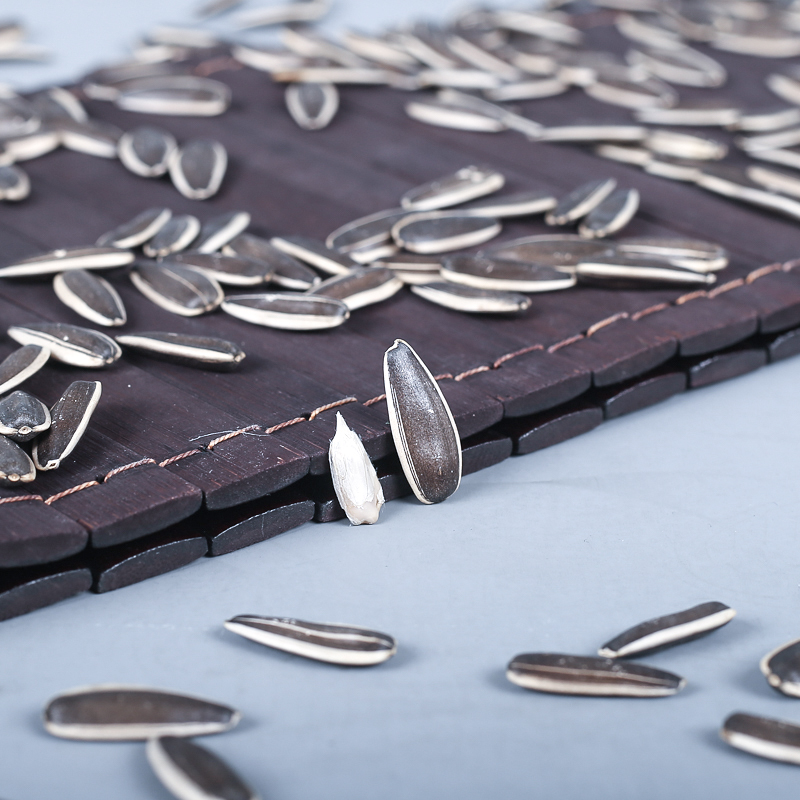
China sunflower seed kernels for baking represent a crucial ingredient within the broader baking and confectionery industries. These kernels, derived from Helianthus annuus, are not merely a topping; their inherent properties significantly influence product texture, flavor, and nutritional value. Positioned between raw agricultural commodities and finished baked goods, sunflower seed kernels undergo specific processing – dehulling, drying, and grading – to meet stringent baking application requirements. Core performance characteristics include oil content impacting dough plasticity, protein content contributing to structure, and moisture levels influencing shelf life and baking behavior. A primary industry pain point centers on ensuring consistent kernel quality, minimizing rancidity due to oxidation, and adhering to increasingly strict allergen control protocols. This guide provides a comprehensive technical overview for procurement professionals, food scientists, and quality assurance engineers involved in sourcing and utilizing these kernels.
Material Science & Manufacturing
Sunflower seed kernels are composed primarily of lipids (40-50% by weight), proteins (20-25%), carbohydrates (15-20%), and fiber (5-10%). The lipid fraction consists largely of linoleic acid (a polyunsaturated omega-6 fatty acid) and oleic acid (a monounsaturated fatty acid), which are susceptible to oxidation. Protein composition includes vicilin and albumin, contributing to the kernel’s structural integrity. Raw sunflower seeds undergo several key manufacturing stages. Initial harvesting dictates moisture content; excessively high moisture leads to fungal growth, while low moisture hinders efficient dehulling. Dehulling, typically mechanical, removes the outer hull, exposing the kernel. Subsequent drying, usually employing hot air convection, reduces moisture content to 8-10% for optimal storage stability. Grading by size (screened) and quality (visual inspection for damage, discoloration, and foreign matter) ensures uniformity. Critical parameters during drying include temperature control (above 60°C to minimize microbial activity, below 80°C to prevent lipid degradation) and airflow rate. Kernel color, a key quality indicator, is influenced by seed genetics and drying conditions; lighter-colored kernels are generally preferred for baking due to their milder flavor. Processing aids, such as citric acid, may be used as antioxidants during storage, but must meet food-grade standards.
Performance & Engineering
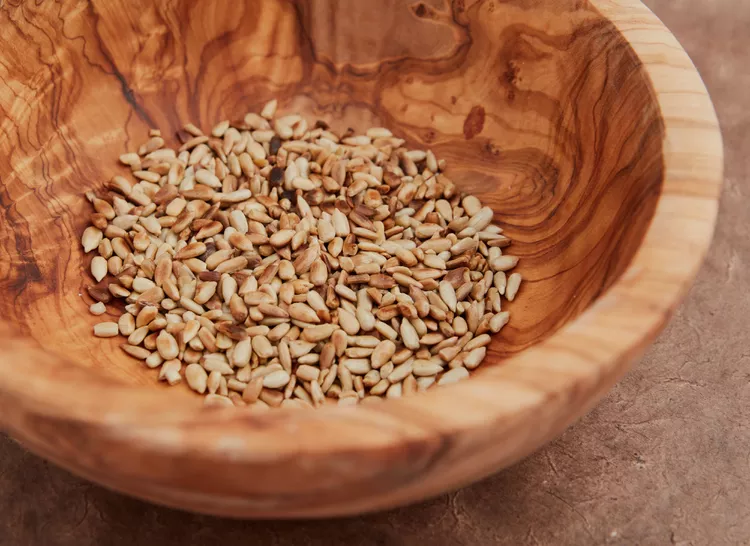
The performance of sunflower seed kernels in baking applications hinges on their physical and chemical properties. Oil content directly influences dough extensibility; higher oil content yields a more tender crumb. Protein content contributes to gluten development, though to a lesser extent than wheat flour. Moisture content is a critical engineering parameter. High moisture kernels can cause dough stickiness and reduced oven spring, whereas excessively dry kernels may not hydrate sufficiently. Particle size distribution affects texture; larger kernels provide a more pronounced crunch. Force analysis during mastication reveals the kernels’ compressive strength and brittleness, influencing the sensory experience. Environmental resistance, specifically to humidity, is paramount; improper storage leads to moisture absorption and rancidity. Compliance requirements include adherence to food safety standards (HACCP), allergen labeling regulations (if processing occurs in a facility handling allergens), and permissible limits for heavy metal contamination (lead, cadmium). Functional implementation involves optimizing kernel incorporation rates to achieve desired texture and flavor profiles, often requiring empirical testing and recipe adjustments.
Technical Specifications
| Parameter | Units | Grade A | Grade B |
|---|---|---|---|
| Oil Content (Dry Basis) | % | 48-52 | 45-48 |
| Protein Content (Dry Basis) | % | 22-25 | 20-22 |
| Moisture Content | % | 8-10 | 10-12 |
| Kernel Size (Screen Size) | mm | 12/64 - 16/64 | 16/64 - 20/64 |
| Foreign Matter | % | <0.5 | <1.0 |
| Broken Kernels/Damaged Kernels | % | <3 | <5 |
Failure Mode & Maintenance
Sunflower seed kernels are susceptible to several failure modes during storage and baking. Rancidity, caused by lipid oxidation, is a primary concern, resulting in off-flavors and reduced nutritional value. This is accelerated by exposure to oxygen, light, and elevated temperatures. Fatigue cracking can occur during handling and processing, especially if kernels are subjected to repeated impact. Delamination, or separation of the kernel coat, can result from improper drying or moisture fluctuations. Microbial spoilage, particularly by molds and yeasts, can lead to mycotoxin contamination if moisture content exceeds safe limits. Maintenance strategies involve storing kernels in airtight, opaque containers at low temperatures (below 15°C). Regular monitoring of peroxide value (a measure of lipid oxidation) and moisture content is essential. Implementing a First-In, First-Out (FIFO) inventory system minimizes storage time. For baking applications, proper oven temperature control and minimizing baking time can reduce lipid degradation. Preventative maintenance on dehulling and drying equipment ensures consistent kernel quality and reduces mechanical damage.
Industry FAQ
Q: What is the acceptable range for peroxide value in sunflower seed kernels destined for long-term storage?
A: The acceptable range for peroxide value, as an indicator of rancidity, is generally below 5 meq O2/kg for long-term storage (over 6 months). Values exceeding 10 meq O2/kg indicate significant oxidation and potential quality degradation. Regular monitoring and antioxidant supplementation may be necessary.
Q: How does kernel size distribution affect the final texture of a muffin containing sunflower seeds?
A: A broader kernel size distribution will generally result in a more varied texture, with some kernels providing a noticeable crunch while others blend more seamlessly into the crumb. A more uniform size distribution promotes a more consistent texture throughout the muffin.
Q: What are the implications of high acrylamide levels in baked goods containing sunflower seeds?
A: Acrylamide formation, a potential carcinogen, is influenced by factors such as baking temperature, baking time, and the presence of reducing sugars. Sunflower seeds themselves do not significantly contribute to acrylamide formation, but optimizing baking parameters is crucial to minimize its presence in the final product.
Q: How can we verify the origin and traceability of sunflower seed kernels from a Chinese supplier?
A: Thorough due diligence is required. Requesting documentation such as planting records, harvest reports, and quality control certificates is essential. Auditing the supplier's facilities and verifying compliance with relevant food safety standards (e.g., HACCP) provides further assurance. Utilizing blockchain technology for traceability is an emerging solution.
Q: What are the allergen considerations when using sunflower seed kernels in a bakery that also processes wheat, soy, and nuts?
A: Sunflower seeds are a known allergen. Strict allergen control procedures must be implemented, including dedicated equipment, thorough cleaning and sanitation protocols, and clear labeling of products containing sunflower seeds. Cross-contamination risks must be assessed and mitigated.
Conclusion
China sunflower seed kernels for baking are a versatile ingredient demanding careful consideration of their material science, manufacturing processes, and performance characteristics. Maintaining optimal oil content, moisture levels, and minimizing oxidation are key to ensuring product quality and shelf life. Understanding potential failure modes—rancidity, cracking, and microbial spoilage—and implementing appropriate storage and handling practices are critical for minimizing waste and maximizing value.
Future trends point towards increased demand for organic and non-GMO sunflower seed kernels, driven by consumer preferences for healthier and more sustainable food options. Continued research into optimized drying techniques and antioxidant applications will further enhance kernel stability and extend shelf life. Moreover, the adoption of advanced traceability technologies will be paramount for ensuring supply chain transparency and building consumer trust.
