Introduction
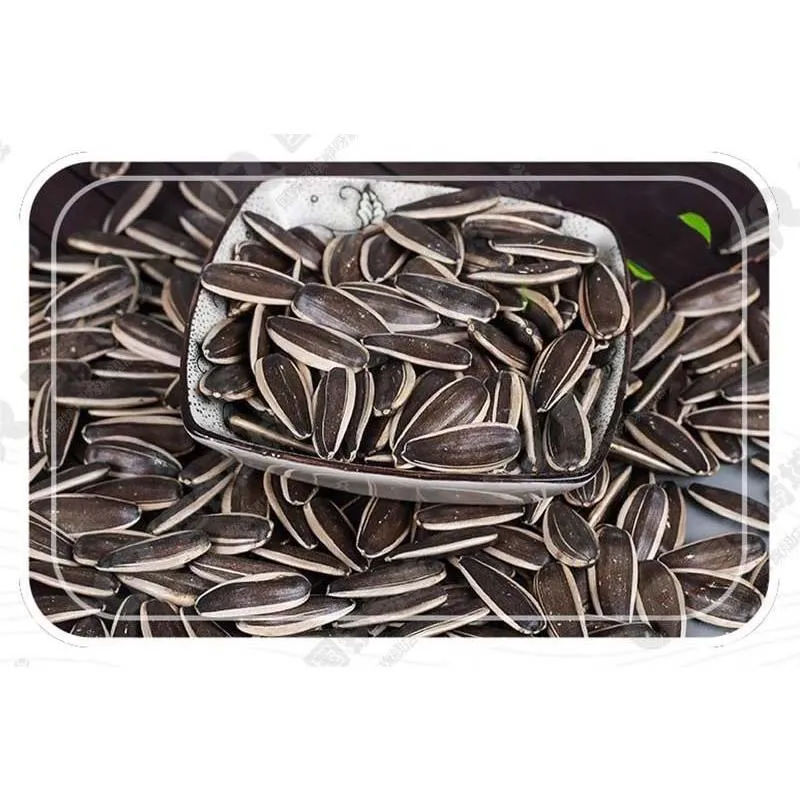
Sunflower seeds ( Helianthus annuus ) represent a significant commodity in the global agricultural market, with China being a major producer and exporter. The commercial aspects surrounding “china sunflower seed discounts price” are intrinsically linked to harvest yields, oil content, kernel size, and prevailing market dynamics. This technical guide provides an in-depth examination of the factors influencing sunflower seed quality and pricing, spanning botanical aspects, post-harvest processing, quality control parameters, and prevalent industry challenges. Understanding these elements is critical for procurement managers, agricultural engineers, and food processing specialists involved in the supply chain. Discount pricing isn't solely a matter of market competition; it often correlates with seed characteristics impacting downstream processing efficiency, oil extraction rates, and the final product's sensory attributes. Variations in fatty acid profiles, moisture content, and levels of contaminants directly influence pricing structures and demand within different market segments – ranging from direct consumption to oil refining and animal feed production. This guide details these crucial specifications and the analytical methodologies employed to assess them.
Material Science & Manufacturing
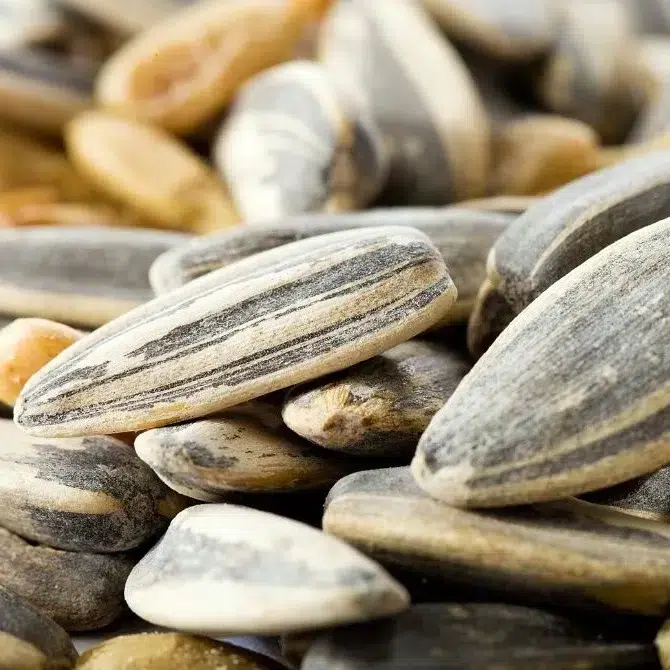
Sunflower seed composition is defined by a complex interplay of biological factors and environmental conditions. The seed itself is a dicotyledonous structure, with the kernel representing the primary component of economic value. The kernel is rich in oil (typically 40-55% by weight), protein (18-25%), and fiber. Oil content varies significantly based on cultivar, growing region, and maturity stage. The shell (hull) comprises approximately 20-30% of the seed’s weight and is primarily composed of cellulose and lignin. Manufacturing begins with agricultural practices - soil composition, irrigation, and fertilization impact seed size and oil accumulation. Post-harvest, drying is a critical step, aiming to reduce moisture content to 8-10% to prevent mold growth and lipid oxidation. This is typically achieved through forced-air drying systems, carefully controlling temperature (typically below 45°C) to avoid protein denaturation and oil degradation. Dehulling is a mechanical process, utilizing impact or friction to separate the kernel from the shell. The efficiency of dehulling impacts yield and the level of hull fragments remaining with the kernel – a key quality parameter. Further processing includes cleaning (removal of foreign materials), grading (based on size and shape), and often, a chemical analysis to determine oil content and fatty acid profile. Quality control at each stage – from field to processing – is paramount in maintaining consistent product quality and influencing price points.
Performance & Engineering
The performance characteristics of sunflower seeds, as they relate to pricing, are rooted in their mechanical and chemical properties. Kernel hardness, measured using a Shatterometer, impacts dehulling efficiency and the extent of kernel damage during processing. Higher hardness generally indicates lower dehulling yield but can improve seed handling and storage stability. Oil extraction efficiency is crucial; solvent extraction (typically using hexane) is the predominant method, with optimization focusing on minimizing solvent residue and maximizing oil recovery. The fatty acid profile of the oil – particularly the linoleic to oleic acid ratio – impacts its suitability for various applications. High-oleic sunflower oil is preferred for frying due to its enhanced oxidative stability. Seed moisture content is a critical engineering parameter. Excessive moisture promotes microbial growth and lipid peroxidation, leading to rancidity and a reduction in oil quality. Storage conditions – temperature, humidity, and aeration – must be carefully controlled to prevent degradation. Furthermore, the presence of mycotoxins, such as aflatoxins, is a significant safety concern. Regulatory limits for mycotoxin levels vary by country, impacting the marketability of the seed. Engineering solutions, such as optimized drying protocols and advanced storage facilities, are crucial to ensure compliance and maintain product integrity, thereby affecting pricing stability.
Technical Specifications
| Parameter | Unit | Typical Range (China Sunflower Seeds) | Impact on Pricing |
|---|---|---|---|
| Oil Content (Dry Basis) | % | 48-54% | Higher oil content commands a premium price. |
| Kernel Moisture Content | % | 8-10% | Exceeding 10% leads to price discounts due to spoilage risk. |
| Kernel Broken/Damage | % | <5% | Higher breakage reduces value due to processing inefficiencies. |
| Hull Content | % | <8% | Lower hull content increases kernel yield and value. |
| Free Fatty Acid (FFA) | % (as oleic acid) | <1.0% | Higher FFA indicates oil degradation and reduces price. |
| Peroxide Value (PV) | meq O2/kg | <10 | Higher PV indicates oxidation and lower price. |
Failure Mode & Maintenance
Sunflower seeds are susceptible to various degradation pathways, leading to quality loss and reduced market value. Primary failure modes include: Lipid Oxidation: Exposure to oxygen, heat, and light promotes rancidity, characterized by off-flavors and decreased oil quality. Mitigation involves antioxidant addition (e.g., Vitamin E), nitrogen flushing during packaging, and storage in cool, dark conditions. Microbial Growth: Mold and yeast growth, particularly Aspergillus species, can produce mycotoxins (aflatoxins) which are highly toxic. Prevention relies on proper drying, sanitation, and the use of antifungal treatments. Physical Damage: Cracking, chipping, and abrasion during handling and processing reduce kernel integrity and increase susceptibility to oxidation. Gentle handling procedures and appropriate equipment design are crucial. Insect Infestation: Storage pests can cause significant damage and contamination. Proper sanitation, temperature control, and the use of insecticidal treatments are necessary. Maintenance focuses on preventative measures across the entire supply chain – from proper harvesting and drying techniques to effective storage protocols and robust quality control procedures. Regular monitoring of moisture content, FFA, PV, and mycotoxin levels is essential for early detection of degradation and implementation of corrective actions. Long-term storage requires airtight containers and controlled atmosphere storage (reducing oxygen levels) to minimize oxidation and microbial growth.
Industry FAQ
Q: What is the significance of the linoleic/oleic acid ratio in sunflower oil, and how does it impact pricing?
A: The linoleic/oleic acid ratio directly affects the oil’s oxidative stability and suitability for different applications. High-oleic sunflower oil (typically >70% oleic acid) is highly resistant to oxidation and ideal for frying, commanding a premium price. Conversely, oils with a higher linoleic acid content are more prone to oxidation and typically sold at a lower price point, often used in salad dressings or margarine where antioxidant fortification is common.
Q: How do aflatoxin levels influence the exportability of Chinese sunflower seeds?
A: Aflatoxin contamination is a critical safety concern. The European Union, United States, and other major importers have strict regulatory limits for aflatoxins (typically 2-4 ppb). Shipments exceeding these limits are rejected, resulting in significant economic losses. Producers must implement robust quality control measures, including pre-harvest monitoring, proper drying, and sorting to minimize aflatoxin contamination.
Q: What role does kernel size play in determining the price of sunflower seeds?
A: Kernel size influences dehulling efficiency and oil yield. Larger kernels generally yield a higher percentage of oil and are easier to process. However, excessively large kernels may be less dense and more susceptible to damage during handling. The optimal kernel size depends on the processing equipment used; processors often have specific size preferences, impacting pricing.
Q: What are the typical storage recommendations for maintaining the quality of sunflower seeds during long-term storage?
A: Optimal storage conditions involve maintaining a moisture content below 10%, a temperature below 15°C (59°F), and an oxygen level below 5%. Seeds should be stored in airtight containers to prevent moisture absorption and oxidation. Regular monitoring of temperature, humidity, and oil quality parameters is crucial.
Q: How does the level of hull fragments in a sunflower seed batch impact its price?
A: A high percentage of hull fragments reduces the kernel content and increases the need for cleaning during processing. This translates to increased processing costs and lower oil yield, resulting in a price discount. Processors typically specify a maximum allowable hull fragment content.
Conclusion
The pricing of “china sunflower seed discounts price” is a multifaceted issue dictated by a complex interplay of botanical characteristics, post-harvest handling, and stringent quality control parameters. Understanding the impact of oil content, kernel moisture, aflatoxin levels, and fatty acid profiles is essential for both suppliers and purchasers. Effective mitigation of degradation pathways – through proper drying, storage, and sanitation – is paramount to preserving seed quality and maximizing value.
Looking forward, advancements in agricultural technology, such as precision farming and improved seed varieties with enhanced oil content and disease resistance, will likely drive further optimization in sunflower seed production. The increasing demand for high-oleic sunflower oil and the growing emphasis on food safety will continue to shape market dynamics and pricing structures. Investment in advanced processing technologies and robust quality assurance systems will be crucial for maintaining competitiveness in the global market.
