Introduction
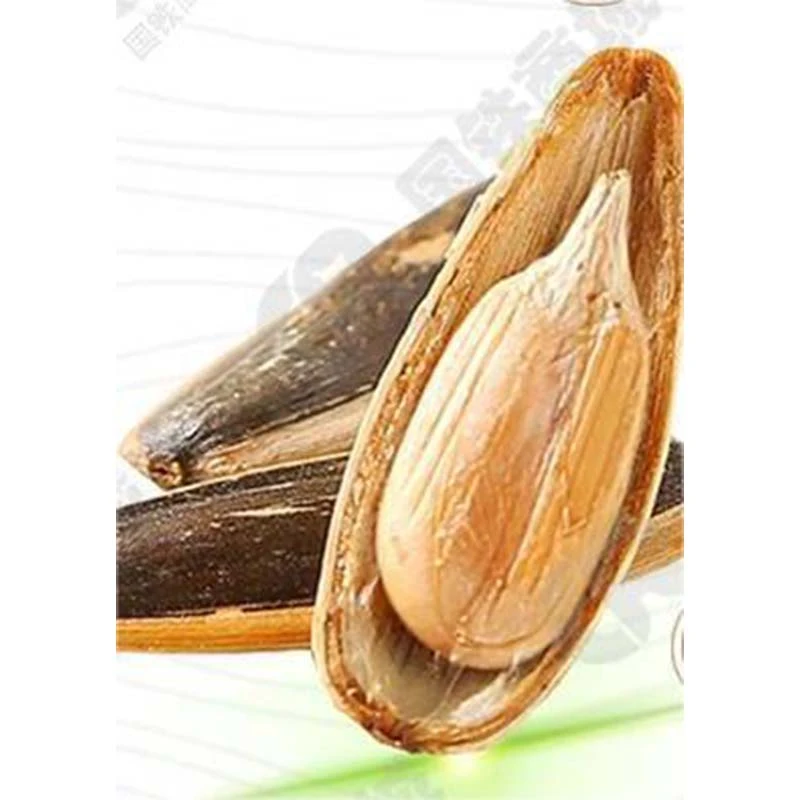
China Sugar Kiss Melon Seeds ( Cucumis melo var. saccharinus) represent a specialized cultivar within the melon family, prized for its exceptionally sweet flavor and unique, often white-fleshed fruit. Technically positioned within the agricultural supply chain as a pre-propagation material, the seeds themselves are subject to stringent quality control regarding germination rates, genetic purity, and freedom from disease. Core performance characteristics revolve around seedling vigor, fruit set percentage, sugar content (measured in Brix), and overall yield per hectare. This guide provides an in-depth technical analysis of these seeds, covering material science, manufacturing processes, performance metrics, failure modes, and relevant industry standards, targeting procurement managers and agricultural engineers responsible for seed sourcing and crop production.
Material Science & Manufacturing
The raw material, the melon seed itself, comprises three primary components: the embryo (the developing plant), the endosperm (nutritive tissue for the embryo), and the seed coat (protective outer layer). The seed coat is predominantly composed of cellulose and lignin, providing physical protection against mechanical damage and environmental stresses. The endosperm is rich in starch, proteins, and lipids, providing the energy reserves necessary for germination. Manufacturing begins with careful selection of parent plants exhibiting desirable traits – high sugar content, disease resistance, uniform fruit size. Controlled pollination is performed, often using hand pollination techniques, to ensure genetic purity. Seed extraction occurs post-maturity, typically involving mechanical threshing followed by cleaning and drying. Critical parameters during drying are temperature (maintained below 40°C to preserve viability) and moisture content (reduced to approximately 7-8% for long-term storage). Seed treatment with fungicides and insecticides is common to protect against seed-borne diseases and pests during storage and early seedling development. Quality control involves germination testing (percentage of seeds that germinate under controlled conditions), purity analysis (assessing genetic uniformity), and seed health testing (detecting the presence of pathogens). Storage conditions – low temperature (around 5°C) and low humidity – are crucial for maintaining seed viability over extended periods. Seed size and weight are also important quality indicators.
Performance & Engineering
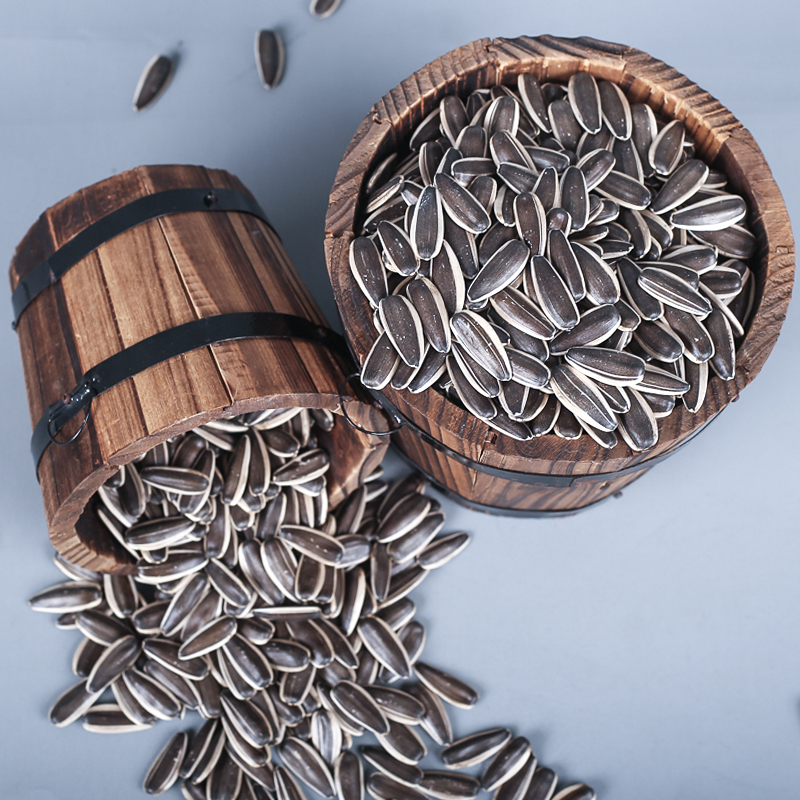
Performance evaluation centers around germination rate, seedling vigor, and ultimate fruit yield. Germination rate is heavily influenced by seed dormancy, which is controlled by abscisic acid (ABA) and gibberellic acid (GA) levels within the seed. Seed priming – a controlled hydration process – can break dormancy and improve germination. Seedling vigor is assessed by measuring root length, shoot length, and cotyledon area. Environmental resistance is crucial; Sugar Kiss melons are susceptible to powdery mildew (Podosphaera xanthii) and Fusarium wilt (Fusarium oxysporum f. sp. melo). Seed treatment and resistant cultivars are employed to mitigate these risks. Compliance requirements vary by country, but generally include adherence to seed certification standards (ensuring genetic purity and freedom from disease) and regulations concerning the use of seed treatments. Force analysis isn’t directly applicable to the seed itself but becomes relevant in the automated seed sowing process, where consistent seed dispensing and minimal mechanical damage are critical. The engineering aspect focuses on optimizing seed pelleting techniques – coating seeds with inert materials to improve flowability and protect against mechanical damage during planting. Pelleting materials must be biocompatible and not inhibit germination. Furthermore, seed packaging utilizes moisture-barrier materials to maintain low humidity during storage and transport, preventing premature germination.
Technical Specifications
| Parameter | Unit | Typical Value | Acceptable Range |
|---|---|---|---|
| Germination Rate | % | 90 | ≥ 85 |
| Purity | % | 99 | ≥ 98 |
| Moisture Content | % | 7.5 | 6.5 – 8.5 |
| Seed Weight (1000 seeds) | g | 18 | 16 – 20 |
| Brix (Fruit, Average) | °Bx | 14 | 12 – 16 |
| Disease Resistance (Fusarium Wilt) | Rating (1-5) | 3 | 2 – 4 (1=Highly Susceptible, 5=Highly Resistant) |
Failure Mode & Maintenance
Failure modes primarily relate to loss of seed viability. Major causes include: Physiological Deterioration: Gradual decline in germination capacity due to enzymatic degradation of storage reserves. Accelerated by high temperature and humidity. Mechanical Damage: Cracking or breakage of the seed coat during handling or storage, allowing pathogen entry. Pathogen Infection: Fungal or bacterial infection leading to seed necrosis and loss of viability. Insect Damage: Infestation by storage pests causing direct seed damage and introducing pathogens. Genetic Degradation: Over successive generations of non-certified seeds, genetic purity declines, leading to reduced yield and quality. Maintenance strategies focus on proper storage. This involves maintaining low temperature (5°C) and humidity (<60% RH). Regular monitoring of storage conditions is essential. Implementing pest control measures in storage facilities prevents insect infestation. Seed treatments with fungicides offer protection against seed-borne pathogens. Sourcing seeds from certified suppliers ensures genetic purity and high germination rates. Avoiding physical shock during handling and transport minimizes mechanical damage. Periodic germination testing assesses seed viability and informs storage management decisions.
Industry FAQ
Q: What is the impact of seed lot variability on crop uniformity?
A: Seed lot variability, even within the same cultivar, can significantly impact crop uniformity. Variations in genetic makeup, vigor, and germination rates can result in uneven plant establishment, differing growth rates, and inconsistent fruit maturity. This necessitates rigorous quality control measures during seed sourcing and the use of certified seeds to minimize lot-to-lot variation.
Q: How does seed treatment affect the overall crop health and yield?
A: Seed treatment with fungicides and insecticides provides early-season protection against seed-borne diseases and pests, promoting healthy seedling establishment. This translates into improved plant vigor, reduced disease incidence, and ultimately, higher yields. However, responsible seed treatment requires careful consideration of environmental impact and adherence to regulatory guidelines.
Q: What are the key considerations when evaluating different seed coating technologies?
A: Key considerations include the coating material's biocompatibility (shouldn't inhibit germination), flowability (improving seed planting accuracy), and protective properties (against mechanical damage and environmental stresses). The coating should also deliver active ingredients (e.g., fungicides, micronutrients) effectively. Cost-effectiveness and environmental sustainability are also important factors.
Q: How does storage temperature impact long-term seed viability?
A: Storage temperature is the most critical factor influencing long-term seed viability. For every 5°C increase above optimal storage temperature (around 5°C), the rate of deterioration approximately doubles. Maintaining low temperatures slows down metabolic processes and enzymatic activity, preserving seed viability for extended periods.
Q: What are the implications of using non-certified seeds in large-scale agricultural operations?
A: Using non-certified seeds poses several risks, including reduced genetic purity, lower germination rates, increased disease susceptibility, and inconsistent yields. This can lead to significant economic losses and compromise overall crop quality. Certified seeds ensure adherence to stringent quality standards and provide greater assurance of performance.
Conclusion
China Sugar Kiss Melon Seeds, while representing a valuable agricultural commodity, demand rigorous attention to material science and manufacturing practices to ensure optimal performance. Maintaining seed viability through controlled drying, proper storage, and appropriate seed treatments is paramount. The technical specifications outlined in this guide provide a framework for evaluating seed quality and predicting crop yield potential.
Continued research into enhancing seed dormancy breaking techniques, improving disease resistance through breeding programs, and developing environmentally sustainable seed coating technologies will be crucial for maximizing the productivity and profitability of Sugar Kiss melon cultivation. Adherence to international standards and best practices is essential for ensuring consistent quality and meeting the demands of global markets.
