Introduction
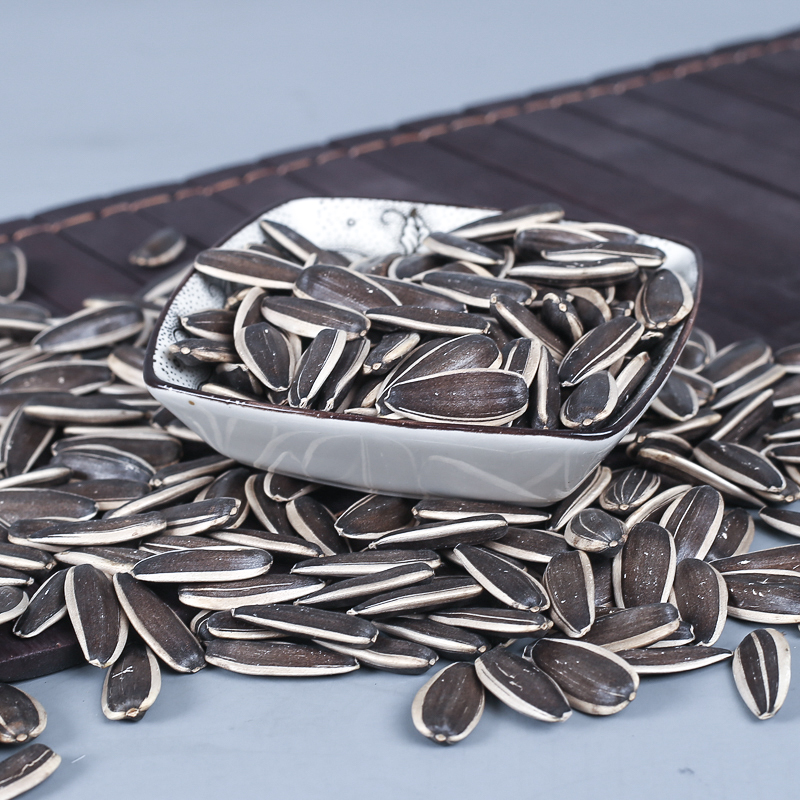
China sugar cube melon seeds ( Cucumis melo var. reticulatus), a processed snack food, represent a significant segment within the Chinese confectionary and agricultural product export market. These seeds, typically sourced from netted melon varieties, undergo a specialized process involving sugar coating, flavoring, and often, partial dehulling. Technically, they occupy a niche between traditional seed snacks and crystallized fruit products, requiring precise control of moisture content, sugar adhesion, and seed integrity. The product’s competitive positioning relies on factors including seed size uniformity, flavor profiles, sugar crystal structure, and shelf-life stability. Core performance metrics include sugar content, moisture activity (Aw), seed viability post-processing (though generally not intended for planting), and absence of microbial contamination. Industry pain points include maintaining consistent seed quality from varying agricultural yields, preventing sugar bloom during storage, and meeting stringent international food safety regulations.
Material Science & Manufacturing
The primary raw material is netted melon seeds, typically from cultivars selected for size and seed coat strength. These seeds are approximately 6-10mm in length and exhibit an ellipsoid shape. Seed composition is approximately 50-60% oil (primarily linoleic acid), 20-30% protein, 10-15% carbohydrates, and 5-10% moisture. The sugar coating predominantly comprises sucrose and glucose syrups, often with dextrose added to control crystallization. Flavorings are typically synthetic or natural extracts. Manufacturing begins with seed cleaning and sorting, followed by optional partial dehulling to enhance sugar adhesion. The core process is a multi-stage sugar coating applied in rotating drums or fluid bed coaters. Critical parameters include syrup viscosity (controlled by temperature and sugar concentration), drum rotation speed, air flow rate (in fluid bed coating), and coating layer thickness. Each layer requires controlled drying to reduce moisture content and induce sugar crystallization. The final stage involves polishing to achieve a smooth, crystalline surface. Maintaining a specific seed temperature throughout the process is crucial to prevent thermal degradation of the oil content and maintain seed structural integrity. Chemical compatibility between the seed oil and the sugar coating is paramount; incompatible coatings can lead to rancidity or uneven sugar adhesion. Failure to control humidity during drying results in sticky seeds or sugar bloom.
Performance & Engineering
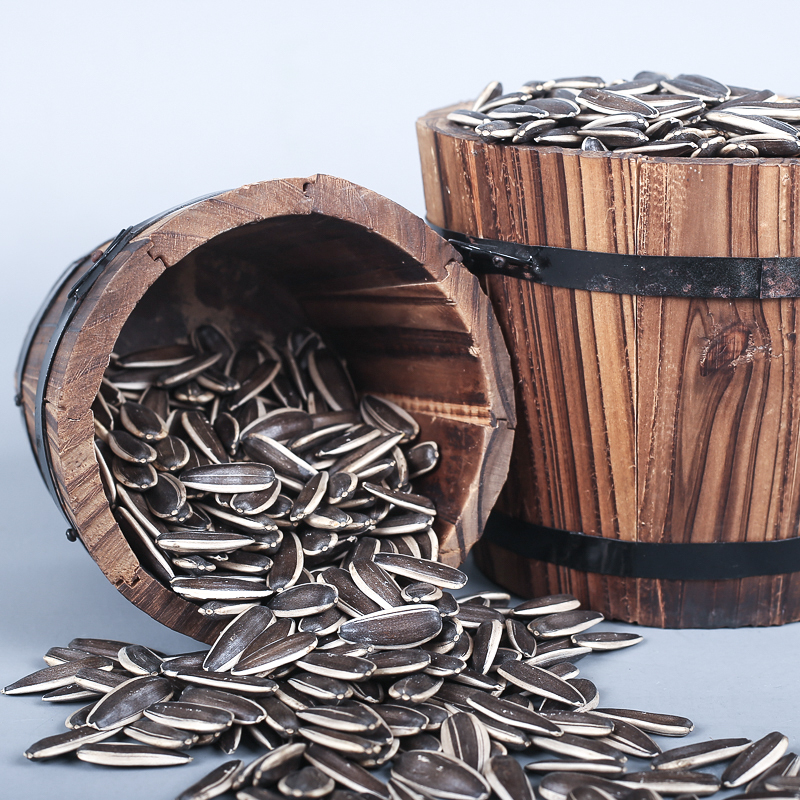
Performance assessment focuses on several key engineering properties. The sugar coating provides a brittle, crystalline shell, and therefore, impact resistance is a critical factor. A force analysis of seed impact reveals that fracture occurs predominantly through shear stress concentrated at points of coating irregularity. Environmental resistance is largely dictated by moisture sensitivity. High relative humidity (>70%) leads to water absorption by the sugar coating, resulting in stickiness and eventual sugar dissolution (sugar bloom). Low temperatures (<0°C) can induce sugar crystallization and coating cracking. Compliance requirements are governed by food safety regulations, including maximum permissible limits for heavy metals, pesticide residues, and microbial counts (e.g., Salmonella, E. coli). Functional implementation relates to packaging; packaging materials must provide a moisture barrier and protect the seeds from physical damage during transport and storage. The product's texture, quantified by hardness and brittleness, is engineered through controlled sugar crystallization. The optimal sugar-to-seed ratio balances sweetness, crunch, and shelf-life stability. Seed viability, though not a primary design goal, is negatively impacted by the heat and dehydration processes involved in sugar coating.
Technical Specifications
| Parameter | Unit | Specification | Test Method |
|---|---|---|---|
| Moisture Content (Seed + Coating) | % | ≤ 5.0 | Karl Fischer Titration (GB/T 5005-2008) |
| Sugar Content (Total) | % | ≥ 65.0 | Refractometry (GB/T 13877-2008) |
| Water Activity (Aw) | - | ≤ 0.60 | Water Activity Meter (ASTM E337-02) |
| Seed Damage (Broken/Deformed) | % | ≤ 2.0 | Visual Inspection |
| Coating Uniformity (Visual) | - | Consistent, Smooth | Visual Inspection |
| Heavy Metal Content (Lead, Cadmium, Arsenic) | mg/kg | ≤ Specified Limits (GB 2762-2012) | Atomic Absorption Spectroscopy |
Failure Mode & Maintenance
Common failure modes include sugar bloom (caused by moisture absorption and subsequent sugar recrystallization), coating cracking (due to thermal stress or impact), rancidity (oxidation of seed oil, accelerated by exposure to air and light), and microbial contamination (resulting from inadequate sanitation or improper storage). Fatigue cracking can occur during handling and transportation, particularly if the seeds are subjected to repeated impacts. Delamination of the sugar coating can occur due to poor adhesion caused by insufficient drying or incompatible coating formulations. Oxidation of the seed oil leads to off-flavors and reduced product quality. Maintenance focuses on proper storage conditions: cool (15-20°C), dry (≤60% RH), and protected from light. Packaging should be moisture-proof and airtight. Regular quality control checks, including moisture content analysis, sugar content measurement, and microbial testing, are essential. Preventative maintenance involves optimizing the sugar coating process to ensure uniform coating thickness and adequate drying. Addressing packaging integrity and implementing robust sanitation procedures are critical for minimizing failure rates. Shelf-life extension can be achieved through the use of oxygen absorbers within the packaging.
Industry FAQ
Q: What is the optimal sugar coating thickness to balance sweetness, crunch, and shelf life?
A: The optimal coating thickness is typically between 100-200 micrometers. Thicker coatings provide increased sweetness and protection against moisture, but can also result in a less desirable crunchy texture and increased susceptibility to cracking. A coating thickness of 150 micrometers generally represents a good compromise, providing adequate sweetness, crunch, and a reasonable shelf life, assuming proper storage conditions.
Q: How does the partial dehulling process affect sugar adhesion and seed quality?
A: Partial dehulling, carefully controlled, can significantly improve sugar adhesion by increasing the surface area available for coating. However, excessive dehulling can compromise seed structural integrity and increase the risk of breakage during processing. The optimal dehulling ratio balances increased adhesion with minimized seed damage. Careful monitoring of dehulling parameters, such as abrasion time and pressure, is essential.
Q: What are the critical control points for preventing sugar bloom during storage and transport?
A: The critical control points are maintaining a low water activity (Aw ≤ 0.60) in the finished product, using moisture-proof packaging materials, and controlling temperature and humidity during storage and transport. Avoiding temperature fluctuations is also crucial, as condensation can lead to sugar dissolution. The use of desiccants within the packaging can further mitigate the risk of sugar bloom.
Q: What type of packaging materials are most effective at preserving product quality and extending shelf life?
A: Multi-layer films combining polyethylene (PE) for sealing, polyethylene terephthalate (PET) for strength, and aluminum foil for moisture and oxygen barrier properties are highly effective. Vacuum packaging or modified atmosphere packaging (MAP) using nitrogen flushing can further extend shelf life by reducing oxidation and microbial growth. The packaging material must also be resistant to puncture and abrasion to prevent damage during handling and transport.
Q: Are there specific regulations regarding pesticide residue limits for melon seeds destined for export to the EU and the US?
A: Yes. Both the EU and the US have stringent regulations regarding pesticide residue limits (MRLs). Compliance requires rigorous testing to ensure that residue levels for all registered pesticides are below the permissible limits established by the European Food Safety Authority (EFSA) and the US Environmental Protection Agency (EPA), respectively. Documentation of pesticide application records is also often required. Specific MRLs vary depending on the pesticide and the destination country.
Conclusion
China sugar cube melon seeds represent a complex food product requiring precise control of material science, manufacturing processes, and storage conditions. Successful production hinges on maintaining consistent seed quality, optimizing sugar coating parameters, and ensuring compliance with stringent food safety regulations. The interplay between seed oil composition, sugar coating formulation, and environmental factors dictates product performance and shelf-life stability.
Future developments in this industry may focus on utilizing novel coating materials with improved moisture barrier properties, developing more sustainable packaging solutions, and employing advanced analytical techniques for rapid quality control. Further research into optimizing the dehulling process to maximize sugar adhesion while preserving seed integrity could also yield significant improvements in product quality and manufacturing efficiency.
