Introduction
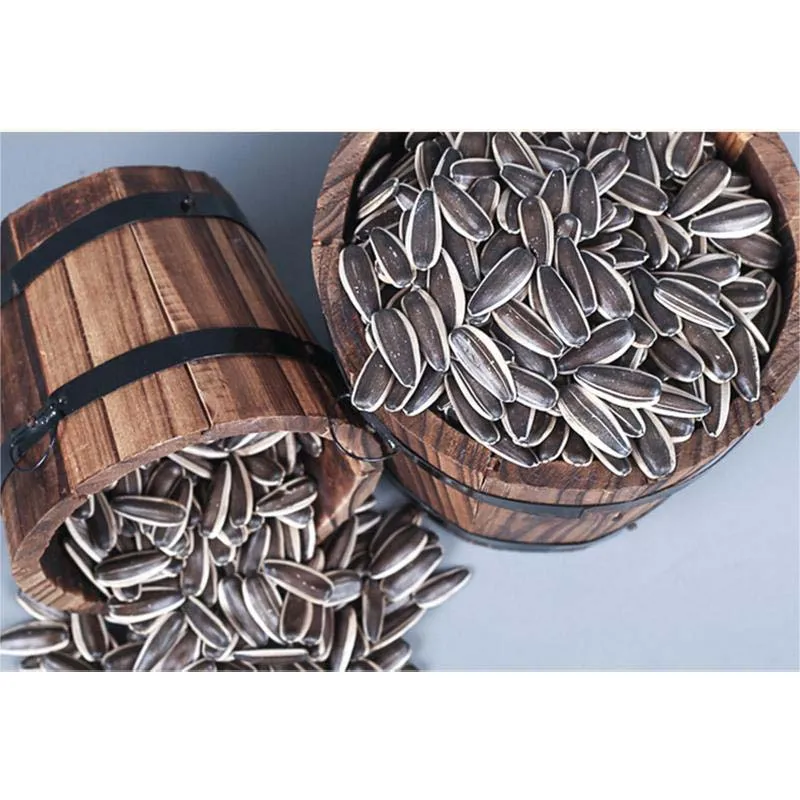
China snap melon seeds (Cucumis melo var. flexuosus) represent a significant agricultural product within the Chinese snack food industry. Positioned within the post-harvest processing chain, these seeds are harvested from mature snap melons, dried, seasoned, and packaged for direct consumer consumption. Core performance characteristics center on seed size, shell integrity, kernel fullness, oil content, flavor profile, and overall palatability. The industry faces challenges related to consistent quality control, optimizing drying processes to prevent rancidity, and managing mycotoxin contamination. This guide details the material science, manufacturing processes, performance metrics, potential failure modes, and relevant standards associated with the production and quality assurance of china snap melon seeds.
Material Science & Manufacturing
The primary material is the Cucumis melo seed itself, composed of an embryo, endosperm (providing nutrients), and a seed coat (testa) offering physical protection. The testa comprises approximately 20-30% cellulose, 15-25% hemicellulose, and 10-15% lignin, providing structural rigidity. Oil content within the kernel typically ranges from 30-45%, consisting predominantly of linoleic acid (omega-6) and oleic acid (omega-9) fatty acids. Moisture content is a critical parameter, ideally maintained below 8% to prevent microbial growth and lipid oxidation.
Manufacturing begins with harvesting mature snap melons, followed by seed extraction. This is often a mechanical process utilizing seed extractors to separate seeds from the pulp. Seeds undergo washing to remove residual pulp and debris. A crucial stage is drying, commonly achieved through sun-drying, hot-air drying, or fluidized bed drying. Hot-air drying, operating between 50-70°C, is prevalent due to its controlled conditions. Precise temperature and airflow control are paramount to minimize thermal degradation of oils and maintain seed viability. Following drying, seeds are graded based on size and quality. Seasoning typically involves the application of salt, spices (e.g., chili powder, five-spice powder), and occasionally flavor enhancers. Finally, seeds are packaged in moisture-proof materials to extend shelf life. Control parameters during seasoning include even distribution of seasonings and maintaining product weight accuracy.
Performance & Engineering
The structural integrity of the seed coat is vital for protecting the kernel during handling and storage. Force analysis reveals that the seed coat can withstand compressive forces up to 5 MPa before cracking, dependent on moisture content. Environmental resistance is a primary concern. High humidity (>70%) promotes moisture absorption, leading to microbial growth and rancidity. Temperature fluctuations can cause condensation within packaging, exacerbating this issue. Long-term exposure to ultraviolet (UV) radiation degrades oil quality and diminishes flavor. Packaging materials play a crucial role in mitigating these effects, requiring barrier properties against moisture, oxygen, and UV light.
Compliance requirements are governed by national food safety standards, including permissible levels of heavy metals (lead, cadmium, mercury) and pesticide residues. Mycotoxin contamination, particularly aflatoxins produced by Aspergillus fungi, is a significant safety hazard, necessitating rigorous quality control measures during harvesting, drying, and storage. Shelf-life studies indicate a typical shelf life of 6-12 months under optimal storage conditions (cool, dry, dark environment). Engineering considerations include optimizing drying processes to minimize energy consumption and maximizing seed yield while maintaining quality. Automated sorting systems employing optical sensors are increasingly used to remove defective seeds and improve product consistency.
Technical Specifications
| Parameter | Unit | Typical Value | Test Method |
|---|---|---|---|
| Moisture Content | % | ≤ 8.0 | GB 5005-2008 (Oven Drying) |
| Oil Content | % | 30-45 | GB/T 9163-2008 (Soxhlet Extraction) |
| Acid Value | mg KOH/g | ≤ 3.0 | GB/T 9163-2008 (Titration) |
| Peroxide Value | mmol O2/kg | ≤ 10 | GB/T 9163-2008 (Titration) |
| Aflatoxin B1 | µg/kg | ≤ 2.0 | GB 5005-2008 (HPLC) |
| Seed Size (Length) | mm | 8-12 | Visual Inspection/Sieve Analysis |
Failure Mode & Maintenance
Common failure modes include rancidity due to lipid oxidation, leading to off-flavors and reduced palatability. This is accelerated by high temperature and humidity. Cracking of the seed coat during handling or processing can expose the kernel to moisture and contamination. Mycotoxin contamination represents a critical safety failure, stemming from fungal growth during improper drying or storage. Color fading and loss of seasoning adhesion can occur due to UV exposure or improper seasoning techniques. Delamination of the seed coat, though rare, can indicate excessive drying or mechanical stress.
Maintenance involves implementing strict quality control measures throughout the entire production chain. This includes proper harvesting techniques, rapid and efficient drying processes, storage in cool, dry, and dark conditions, and regular monitoring for mycotoxin contamination. Packaging materials should provide a robust barrier against moisture, oxygen, and UV light. Regular inventory rotation ensures that older batches are utilized first. Preventative maintenance of processing equipment (seed extractors, dryers, seasoning applicators) minimizes mechanical damage to the seeds. Detailed record-keeping of all process parameters (temperature, humidity, drying time, seasoning amounts) allows for traceability and identification of potential issues.
Industry FAQ
Q: What is the optimal moisture content for long-term storage of snap melon seeds, and why is it critical?
A: The optimal moisture content is ≤ 8.0%. Above this level, enzymatic activity and microbial growth accelerate, leading to rancidity, off-flavors, and potential mycotoxin production. Maintaining low moisture content inhibits these degradation processes, preserving product quality and safety.
Q: How are aflatoxin levels monitored and controlled during the production process?
A: Aflatoxin levels are primarily monitored through regular sampling and laboratory analysis using High-Performance Liquid Chromatography (HPLC) according to GB 5005-2008. Control measures include pre-harvest monitoring of melon fields for Aspergillus contamination, rapid and thorough drying of seeds post-harvest, proper storage conditions, and the implementation of Hazard Analysis and Critical Control Points (HACCP) principles.
Q: What types of packaging materials are recommended to maximize shelf life and prevent quality degradation?
A: Multi-layer packaging materials offering a high barrier to moisture, oxygen, and UV light are recommended. Examples include aluminum foil laminates, metallized polyester films, and polyethylene terephthalate (PET) films with a moisture barrier layer. Vacuum or nitrogen flushing during packaging further reduces oxygen levels, inhibiting oxidation.
Q: What is the impact of drying temperature on the oil quality and flavor profile of the seeds?
A: Excessive drying temperatures (above 70°C) can lead to thermal degradation of unsaturated fatty acids, resulting in rancidity and loss of desirable flavor compounds. Optimized drying temperatures (50-70°C) minimize oil oxidation while ensuring adequate moisture reduction. Controlled airflow is also crucial for even drying and preventing localized overheating.
Q: What size grading standards are typically applied to snap melon seeds, and why is size consistency important?
A: Seeds are typically graded based on length, with a target range of 8-12mm. Size consistency is important for uniform seasoning application, consistent roasting/drying, and aesthetic appeal to consumers. It also facilitates automated packaging and portion control.
Conclusion
China snap melon seeds represent a complex agricultural product requiring careful attention to material science, manufacturing processes, and quality control. Maintaining low moisture content, protecting against oxidation, and preventing mycotoxin contamination are critical for ensuring product safety and preserving optimal flavor and texture. Adherence to national standards and the implementation of robust quality management systems are essential for consistent production of high-quality seeds.
Future developments may focus on optimizing drying technologies to minimize energy consumption and maximize nutrient retention, as well as exploring novel packaging materials with enhanced barrier properties. Further research into the genetic factors influencing oil content and flavor profile could lead to the development of improved seed varieties. Continuous monitoring of industry regulations and consumer preferences will be crucial for sustained success in the competitive snack food market.
