Introduction
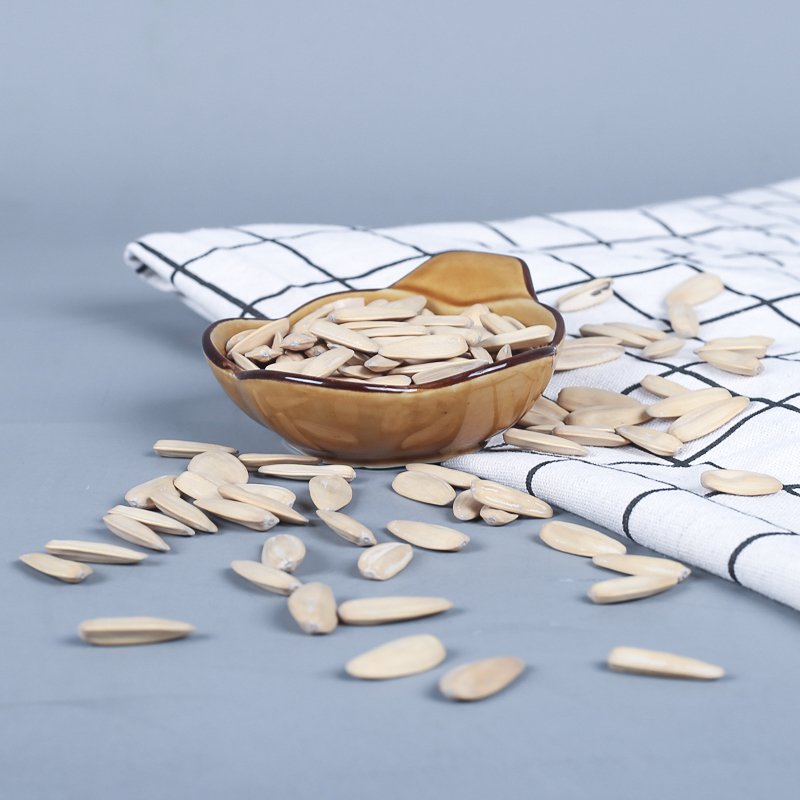
China small size sunflower seeds ( Helianthus annuus) represent a significant segment within the global oilseed and snack food markets. Distinguished by their smaller kernel size compared to confectionary varieties, these seeds primarily serve as a feedstock for oil extraction and a component in animal feed. The technical position within the agricultural supply chain places them immediately post-harvest, requiring processing for oil refinement or direct utilization. Core performance characteristics center around oil yield (%), protein content (%), moisture content (%), and the presence of hulling damage, all impacting processing efficiency and final product quality. The increasing demand for vegetable oils and high-protein animal feed necessitates a rigorous understanding of the underlying science and engineering principles governing the cultivation, harvesting, and processing of these seeds. A key industry pain point revolves around consistent quality control across varying growing regions and the minimization of mycotoxin contamination – a significant concern for both human and animal consumption.
Material Science & Manufacturing
The primary raw material, the sunflower seed, exhibits a complex composition. The kernel comprises approximately 42-52% oil, primarily linoleic acid (C18:2, ω-6) and oleic acid (C18:1, ω-9), 20-28% protein, 15-25% hull, and 5-10% moisture. The hull, a lignocellulosic material, provides structural protection but reduces overall oil yield. Seed quality is fundamentally dependent on genotype, growing conditions (soil composition, climate, irrigation), and harvesting techniques.
Manufacturing involves several critical stages. Harvesting typically utilizes combine harvesters, optimized for minimal seed damage. Post-harvest drying is crucial to reduce moisture content to 8-9%, preventing fungal growth and preserving oil quality. De-hulling separates the kernel from the hull, employing mechanical abrasion and aspiration. Oil extraction primarily utilizes solvent extraction (hexane) or mechanical pressing (expelling). Solvent extraction achieves higher oil yields but requires stringent solvent recovery processes. Further refining processes – degumming, neutralization, bleaching, and deodorization – remove impurities and enhance oil stability. Key parameter control includes maintaining consistent temperature during drying (below 60°C to prevent lipid oxidation), optimizing hulling pressure to maximize kernel recovery, and controlling solvent residue levels to comply with food safety regulations. The physical properties, such as kernel hardness and hull strength, are critical variables in optimizing equipment settings during de-hulling and processing.
Performance & Engineering
Performance analysis centers on oil yield optimization and minimizing energy consumption. The oil extraction process is governed by Fick's law of diffusion, necessitating precise control of temperature, solvent concentration, and particle size. The mechanical strength of the seed and kernel impacts the efficiency of de-hulling and pressing operations. Force analysis during de-hulling considers the fracture toughness of the hull and the shear stress applied during abrasion. Environmental resistance is critical during storage. High humidity promotes fungal growth and mycotoxin production (aflatoxins, ochratoxins). Temperature fluctuations can lead to lipid oxidation, reducing oil quality and shelf life.
Compliance requirements are stringent, dictated by food safety regulations (e.g., FDA in the US, EFSA in Europe, GB standards in China). These regulations specify permissible levels of mycotoxins, solvent residues, and heavy metals. Functional implementation necessitates careful design of processing equipment to minimize seed damage and maximize oil recovery. Considerations include optimized impeller design in solvent extraction systems and precise control of pressing force in mechanical expellers. Furthermore, energy efficiency is paramount, requiring optimized heat exchangers and solvent recovery systems. Maintaining sanitary conditions throughout the processing line is essential to prevent contamination.
Technical Specifications
| Parameter | Unit | Typical Value (China Small Size) | Standard Deviation |
|---|---|---|---|
| Oil Content (Dry Basis) | % | 46.5 | 2.5 |
| Protein Content (Dry Basis) | % | 22.0 | 1.8 |
| Hull Content (Dry Basis) | % | 24.0 | 2.0 |
| Moisture Content (at Harvest) | % | 10.0 | 1.5 |
| Kernel Size (Average Diameter) | mm | 5.5 | 0.4 |
| Linoleic Acid Content (of Total Oil) | % | 60.0 | 3.0 |
Failure Mode & Maintenance
Failure modes in china small size sunflower seeds relate to both seed degradation and processing equipment failure. Seed degradation manifests as rancidity (lipid oxidation) leading to off-flavors and reduced nutritional value. This is accelerated by exposure to oxygen, light, and elevated temperatures. Fungal contamination, particularly by Aspergillus and Penicillium species, results in mycotoxin accumulation, rendering the seeds unsuitable for consumption. Physical damage during harvesting and handling (cracking, chipping) increases susceptibility to spoilage.
Processing equipment failures primarily involve wear and tear on mechanical components (rollers, screens, bearings) in de-hulling and pressing operations. Solvent leakage in extraction systems poses a safety hazard and environmental risk. Blockages in pipelines and filters reduce processing efficiency. Preventative maintenance is crucial. This includes regular inspection and lubrication of moving parts, solvent leak detection and repair, filter cleaning/replacement, and temperature monitoring during drying and oil extraction. Proper storage conditions (cool, dry, dark) are essential to minimize seed degradation. Regular mycotoxin testing is critical for quality control. Equipment should be constructed from corrosion-resistant materials to prevent contamination of the product.
Industry FAQ
Q: What is the significance of the acid value in sunflower seed oil, and how does it relate to storage stability?
A: The acid value (AV) represents the amount of free fatty acids present in the oil. A higher AV indicates greater hydrolysis of triglycerides, often due to enzymatic activity during storage or improper processing. Elevated AV is correlated with decreased storage stability, increased rancidity, and a lower-quality product. Monitoring AV is a key quality control parameter.
Q: How does the hull content of the seeds impact the efficiency of the oil extraction process?
A: Higher hull content reduces the proportion of oil-bearing kernel in the raw material, thus lowering the overall oil yield. Hulls also absorb solvent during extraction, increasing solvent consumption and requiring more extensive solvent recovery. Efficient de-hulling is therefore crucial for maximizing oil extraction efficiency.
Q: What are the critical control points for minimizing mycotoxin contamination in sunflower seeds?
A: Critical control points include pre-harvest monitoring of fields for fungal infections, proper drying to reduce moisture content below 8%, maintaining sanitary conditions during harvesting and storage, and regular mycotoxin testing of raw materials and finished products.
Q: What are the advantages and disadvantages of mechanical pressing versus solvent extraction for sunflower seed oil production?
A: Mechanical pressing is a simpler, environmentally friendly process but yields lower oil extraction efficiency (typically 70-80%). Solvent extraction achieves higher yields (95-99%) but requires significant investment in solvent recovery systems and poses potential environmental and safety risks.
Q: What role does the genotype of the sunflower seed play in oil quality and yield?
A: The genotype significantly influences oil content, fatty acid profile (linoleic vs. oleic acid ratio), protein content, and hull characteristics. Breeding programs focus on developing varieties with high oil yields, desirable fatty acid profiles, and improved resistance to diseases and pests.
Conclusion
China small size sunflower seeds represent a valuable resource within the agricultural sector, demanding a comprehensive understanding of both the underlying material science and the intricacies of industrial processing. Optimizing oil yield, ensuring product safety through mycotoxin control, and maintaining consistent quality across diverse growing conditions are critical challenges. A holistic approach, integrating advancements in agronomy, processing technology, and quality control, is essential for maximizing the economic and nutritional value of this important oilseed.
Future research should focus on developing improved seed varieties with enhanced resistance to fungal infections and increased oil content, as well as exploring more sustainable and energy-efficient oil extraction technologies. Furthermore, advanced analytical techniques for rapid mycotoxin detection and innovative storage solutions to minimize lipid oxidation are crucial for maintaining product quality and extending shelf life. Continuous improvement in these areas will solidify the position of China small size sunflower seeds in the global market.
