Introduction
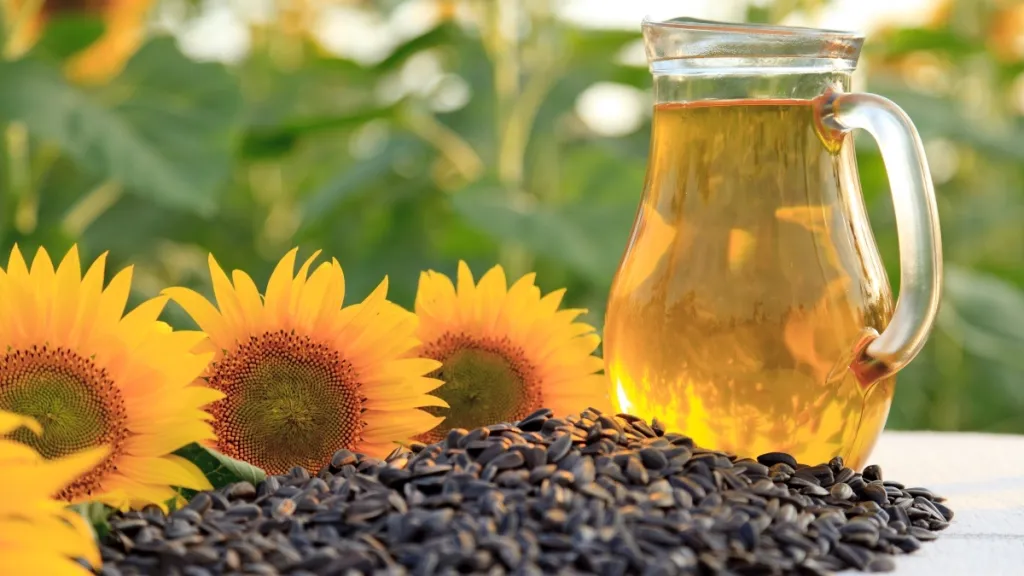
China shelled unsalted sunflower seeds ( Helianthus annuus ) represent a significant agricultural commodity globally, and specifically, a key export from China. Technically positioned within the oilseed processing and snack food industries, these seeds undergo a multi-stage process encompassing cultivation, harvesting, dehulling, grading, and packaging. Their core performance characteristics are defined by kernel size, oil content, protein content, moisture level, and freedom from defects. The unsalted nature caters to a health-conscious consumer base and simplifies integration into various culinary applications. A primary industry pain point revolves around maintaining consistent seed quality – specifically, minimizing cracked kernels, foreign matter contamination, and ensuring optimal moisture content for extended shelf life. Another critical aspect is adherence to increasingly stringent food safety regulations concerning mycotoxin levels and pesticide residues. Furthermore, efficient dehulling processes are essential for maximizing kernel yield and minimizing processing costs, directly impacting profitability.
Material Science & Manufacturing
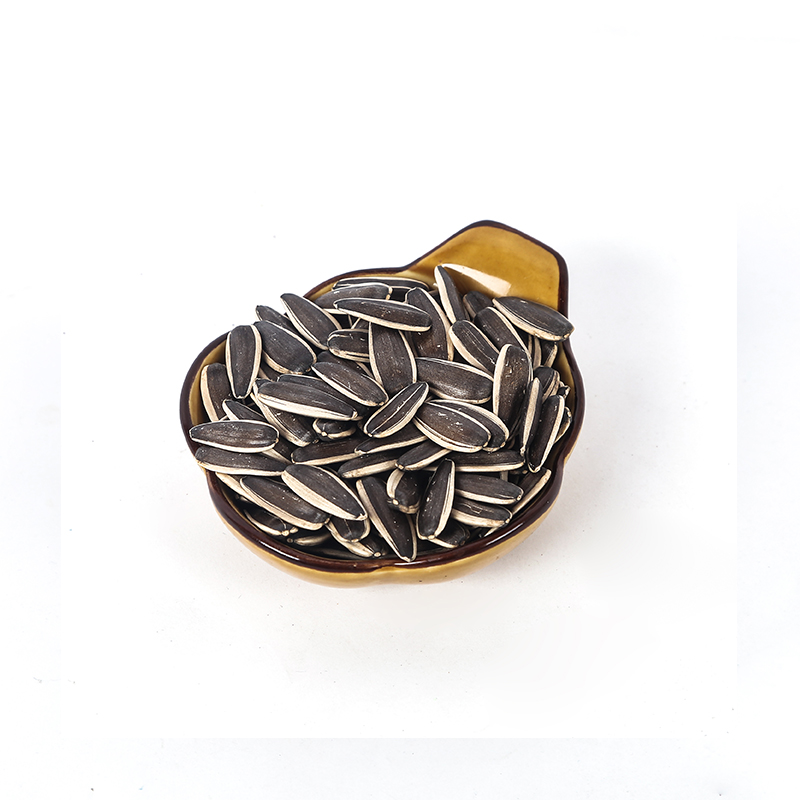
The raw material, sunflower seed, is a dicotyledonous seed comprised of a kernel (cotyledon) surrounded by a hull (pericarp). The kernel’s composition is approximately 45-55% oil (primarily linoleic acid, an omega-6 fatty acid), 20-25% protein, 15-20% carbohydrates, and 5-10% moisture. The hull, predominantly cellulose and lignin, constitutes roughly 20-30% of the seed’s weight. Manufacturing commences with harvesting at physiological maturity, indicated by a dark seed coat and dry stalk. Post-harvest, seeds undergo cleaning to remove debris and foreign matter. Dehulling, the critical processing step, can be achieved through impact, friction, or a combination thereof. Impact dehulling utilizes a controlled force to fracture the hull, while friction dehulling relies on abrasive surfaces. Key parameters controlled during dehulling include impact velocity, surface roughness, and seed moisture content (ideally between 8-10%). Improper moisture levels lead to hull fragments adhering to the kernel or kernel damage. Subsequent grading sorts seeds by size and density, removing broken kernels and foreign material via sieves and air classification. Finally, the seeds are dried to a moisture content of ≤6% to inhibit microbial growth and maintain quality during storage. Chemical compatibility considerations include avoiding contact with materials that promote lipid oxidation (e.g., copper, iron) during processing and packaging.
Performance & Engineering
Performance characteristics are intrinsically linked to kernel integrity and oil stability. Mechanical stress during dehulling and handling induces micro-cracks in the kernel, accelerating lipid oxidation and off-flavor development. Force analysis during the dehulling process involves quantifying impact force, compressive strength of the hull, and shear strength of the kernel. Environmental resistance is primarily focused on moisture control. High humidity environments promote moisture uptake, leading to rancidity and microbial spoilage. Packaging materials with low water vapor transmission rates (WVTR) are crucial. Compliance requirements include adherence to food safety standards set by the FDA (USA), EFSA (Europe), and GB standards in China (GB 5009.3-2016 for food safety national standards - oilseed products). The functional implementation of unsalted seeds dictates minimal processing aids are used to preserve the natural flavor profile. A key engineering challenge is optimizing the dehulling process to maximize yield while minimizing kernel damage. This often involves computational fluid dynamics (CFD) modeling to refine dehulling machinery design and process parameters. The seeds' friability is a critical parameter – impacting transport damage and processing losses.
Technical Specifications
| Parameter | Unit | Typical Value | Test Method |
|---|---|---|---|
| Kernel Size | mm | 10-12 | Sieve Analysis (GB/T 13658-2008) |
| Oil Content (Dry Basis) | % | 48-52 | Soxhlet Extraction (GB/T 5009.3-2016) |
| Protein Content (Dry Basis) | % | 20-24 | Kjeldahl Method (GB/T 5009.3-2016) |
| Moisture Content | % | ≤6.0 | Oven Drying Method (GB/T 5009.3-2016) |
| Broken Kernels | % | ≤5.0 | Visual Inspection (GB/T 13658-2008) |
| Foreign Matter | % | ≤1.0 | Visual Inspection (GB/T 13658-2008) |
Failure Mode & Maintenance
Common failure modes include lipid oxidation leading to rancidity, evidenced by off-flavors and decreased nutritional value. This is accelerated by exposure to oxygen, light, and elevated temperatures. Kernel cracking during processing or transport represents another failure mode, increasing surface area for oxidation and providing entry points for microorganisms. Microbial contamination, particularly with Aspergillus species, can result in mycotoxin production (e.g., aflatoxins), posing a significant food safety hazard. Degradation of the oil's fatty acid profile over extended storage periods impacts nutritional quality. Maintenance strategies center on proper storage conditions – low temperature (≤10°C), low humidity (<60% RH), and protection from light. Packaging with oxygen barrier properties (e.g., metallized films) is essential. Regular monitoring of oil quality (peroxide value, acid value) and mycotoxin levels is crucial. Preventative maintenance on dehulling equipment minimizes kernel damage. Control of insect infestations through integrated pest management (IPM) practices is paramount. Appropriate cleaning and sanitation procedures throughout the processing facility are critical for minimizing microbial contamination.
Industry FAQ
Q: What are the primary factors influencing the shelf life of unsalted sunflower seeds?
A: The primary factors are moisture content, oil quality (specifically, the rate of lipid oxidation), packaging permeability (oxygen and water vapor transmission rates), storage temperature, and exposure to light. Maintaining low moisture content, utilizing oxygen barrier packaging, and storing in cool, dark conditions are crucial for maximizing shelf life.
Q: What level of aflatoxin contamination is considered acceptable under Chinese regulations?
A: According to GB 2715-2017 (National Food Safety Standard - Limits for Contaminants in Food), the maximum permissible level of total aflatoxins in oilseeds, including sunflower seeds, is 2.5 μg/kg. Strict adherence to this standard is essential for export compliance.
Q: How does the dehulling process impact the oil stability of the sunflower seeds?
A: The dehulling process can introduce micro-cracks in the kernel, increasing the surface area exposed to oxygen and accelerating lipid oxidation. Aggressive dehulling parameters (high impact force, improper moisture content) exacerbate this effect. Optimization of the dehulling process to minimize kernel damage is vital for maintaining oil stability.
Q: What are the advantages and disadvantages of different packaging materials (e.g., polyethylene vs. metallized films)?
A: Polyethylene provides good moisture barrier properties but limited oxygen barrier. Metallized films offer excellent oxygen and light barrier properties, significantly extending shelf life but are generally more expensive. The choice depends on the desired shelf life, cost constraints, and target market.
Q: What quality control measures should be implemented to ensure consistent product quality?
A: Essential quality control measures include regular monitoring of moisture content, oil content, protein content, broken kernel percentage, foreign matter content, and aflatoxin levels. Sensory evaluation (taste, smell) should also be conducted routinely. Implementation of a HACCP (Hazard Analysis and Critical Control Points) plan is highly recommended.
Conclusion
China shelled unsalted sunflower seeds, while seemingly simple, represent a complex intersection of agricultural science, food processing engineering, and quality control. Maintaining consistent quality—specifically, minimizing kernel damage, controlling moisture content, and adhering to stringent food safety standards—is paramount for both domestic consumption and international export. The effectiveness of the dehulling process, coupled with appropriate packaging and storage conditions, directly dictates the product's shelf life and nutritional integrity.
Future trends in this sector will likely focus on developing more sustainable and efficient dehulling technologies, utilizing advanced packaging materials with enhanced barrier properties, and implementing real-time monitoring systems to track product quality throughout the supply chain. Continued investment in research and development is crucial for optimizing the production process and ensuring the long-term viability of the Chinese sunflower seed industry.
