Introduction
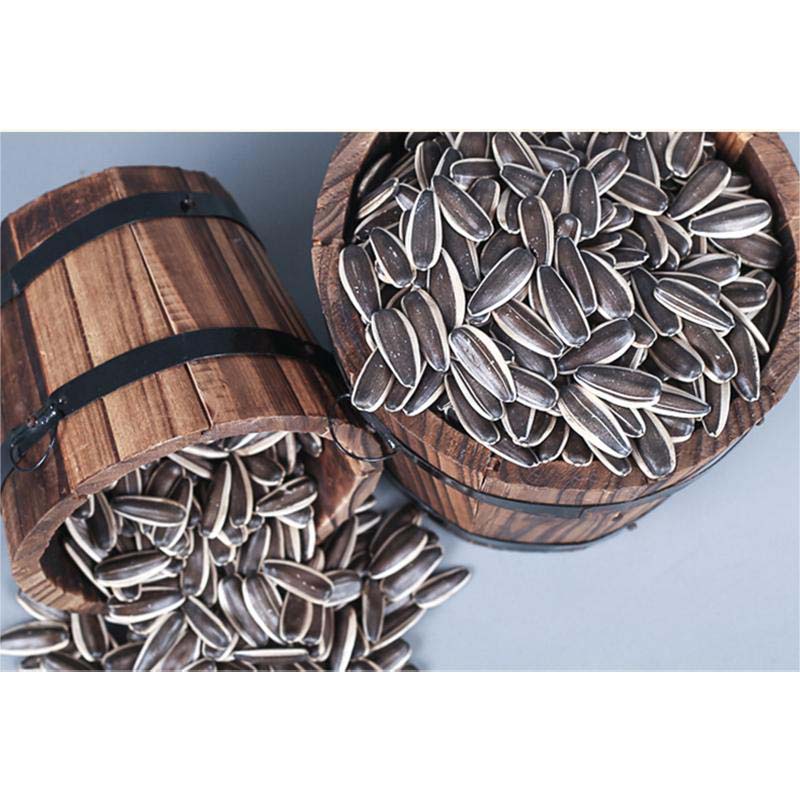
China shell-less sunflower seeds represent a specialized cultivar of Helianthus annuus, engineered for convenient consumption and maximized kernel yield. Positioned within the agricultural processing and snack food industries, these seeds bypass the traditional dehulling process, offering a ready-to-eat product. Core performance characteristics revolve around kernel size, oil content, protein density, moisture content, and absence of shell fragments. This product distinguishes itself by addressing consumer demand for ease of use and reducing processing waste compared to conventional sunflower seed varieties. The industrial chain spans from breeding and cultivation to post-harvest processing, quality control, packaging, and distribution. Key performance indicators for manufacturers include seed weight consistency, kernel damage minimization, and adherence to food safety regulations.
Material Science & Manufacturing
The raw material, the sunflower seed, comprises a pericarp (shell), kernel (cotyledon), and embryo. Shell-less varieties achieve their characteristic through genetic modification focusing on reducing pericarp development. Seed composition typically consists of 40-50% oil (predominantly linoleic acid – C18:2), 20-30% protein, 10-20% carbohydrates, and 5-10% moisture. The manufacturing process begins with specialized harvesting techniques to minimize kernel damage. Cleaning removes debris (stalks, leaves, stones) utilizing a combination of screening, aspiration, and magnetic separation. Drying, typically employing controlled-temperature airflow, reduces moisture content to approximately 8-10% for enhanced shelf life and prevents fungal growth. Crucially, shell-less varieties are more susceptible to mechanical damage during processing; therefore, gentle handling is paramount. Quality control involves rigorous inspection for shell fragments (acceptable limit <1%), foreign material, and aflatoxin contamination (regulated by national standards). Seed size grading ensures uniformity for packaging and consumer acceptance. Key process parameters requiring stringent control include drying temperature (max 45°C to prevent oil oxidation), airflow velocity, and impact velocity during cleaning and handling. Post-harvest treatment with food-grade coatings (e.g., waxes, polymers) may be applied to enhance gloss and protect against moisture absorption.
Performance & Engineering
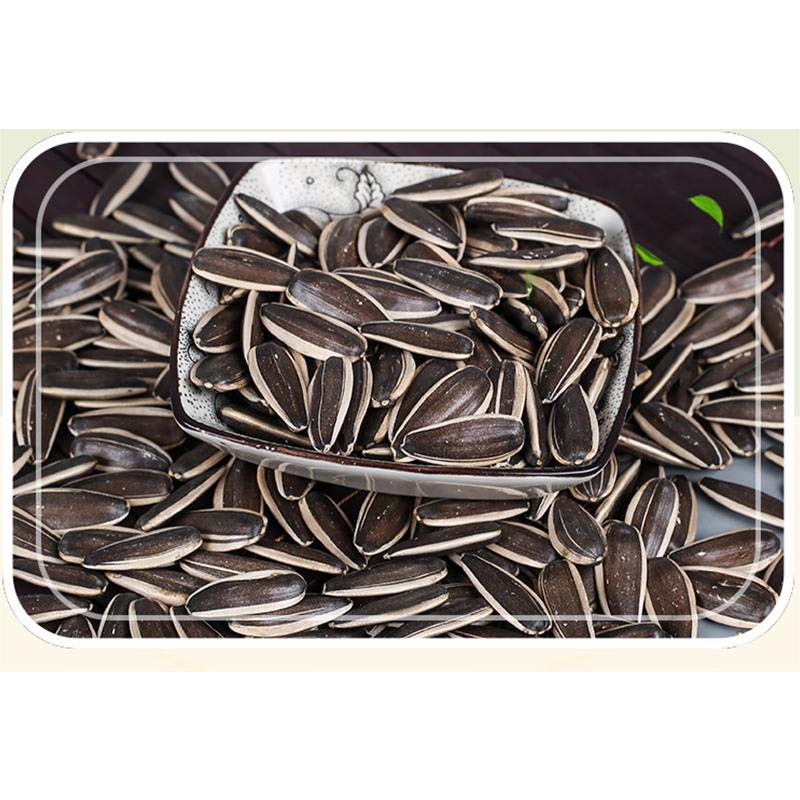
Performance assessment of shell-less sunflower seeds requires evaluation of several critical factors. Shear force analysis determines the ease of kernel consumption – lower force values indicate improved palatability. Oil stability, measured via Rancimat testing, quantifies resistance to oxidative degradation during storage. Moisture content directly impacts shelf life and susceptibility to microbial growth. Engineering considerations focus on packaging design to maintain product integrity and prevent crushing during transportation. Barrier properties of packaging materials (OTR – Oxygen Transmission Rate, WVTR – Water Vapor Transmission Rate) are critical for preserving freshness and preventing rancidity. Furthermore, the seeds' susceptibility to mechanical stress during handling necessitates robust packaging solutions. Compliance with food safety standards (e.g., HACCP, GMP) is mandatory, dictating stringent hygiene protocols throughout the production process. Seed density and flowability influence automated packaging efficiency; optimized seed shape and size distribution are desirable. Thermal analysis (DSC – Differential Scanning Calorimetry) provides insights into oil polymorphism and melting behavior, impacting texture and mouthfeel. Finite Element Analysis (FEA) can be applied to packaging designs to optimize crush resistance.
Technical Specifications
| Parameter | Unit | Typical Value | Test Method |
|---|---|---|---|
| Kernel Moisture Content | % | 8.0 - 10.0 | Oven Drying (GB 5005-2008) |
| Oil Content (Dry Basis) | % | 45 - 55 | Soxhlet Extraction (GB/T 5009-2008) |
| Protein Content (Dry Basis) | % | 20 - 25 | Kjeldahl Method (GB/T 6436-2002) |
| Shell Fragment Content | % | < 1.0 | Visual Inspection/Sieving |
| Kernel Size (Average Diameter) | mm | 8 - 12 | Sieve Analysis |
| Peroxide Value (Oil) | meq O2/kg | < 5.0 | Potentiometric Titration (GB 5861-2008) |
Failure Mode & Maintenance
Failure modes for shell-less sunflower seeds primarily relate to degradation of oil quality and kernel damage. Lipid oxidation, driven by exposure to oxygen, light, and elevated temperatures, leads to rancidity and off-flavors. This manifests as an increased peroxide value and development of undesirable odors. Mechanical damage during handling and processing can cause kernel cracking and fragmentation, reducing aesthetic appeal and increasing susceptibility to oxidation. Moisture absorption can promote fungal growth (e.g., Aspergillus species) leading to aflatoxin contamination, a serious food safety concern. Prolonged storage can result in vitamin E depletion, compromising nutritional value. Maintenance strategies focus on proper storage conditions: cool (below 20°C), dry (relative humidity <65%), and dark environments. Packaging materials with low OTR and WVTR are essential. Regular monitoring of peroxide value and aflatoxin levels is crucial. First-in, first-out (FIFO) inventory management minimizes storage duration. Preventative maintenance of processing equipment (cleaners, dryers, graders) reduces mechanical damage. Antioxidant addition (e.g., vitamin E) can extend shelf life by inhibiting lipid oxidation. Proper sanitation protocols are paramount to prevent microbial contamination.
Industry FAQ
Q: What are the primary differences in processing shell-less versus in-shell sunflower seeds?
A: Shell-less seeds require significantly gentler handling due to the absence of protective shells. Cleaning processes must minimize mechanical damage. Drying temperatures must be lower to prevent oil degradation. Dehulling is eliminated, reducing processing time and costs, but necessitating stricter quality control to ensure shell fragment absence.
Q: How does oil quality (specifically linoleic acid content) impact the shelf life of shell-less sunflower seeds?
A: High linoleic acid content makes the oil susceptible to oxidative rancidity. Exposure to oxygen, heat, and light accelerates lipid peroxidation, leading to off-flavors and reduced nutritional value. Packaging and storage conditions directly impact oil stability.
Q: What regulatory standards govern the allowable levels of aflatoxins in sunflower seeds destined for human consumption?
A: Aflatoxin levels are strictly regulated by agencies like the FDA (US) and EFSA (Europe). Acceptable limits vary by jurisdiction, but typically fall in the parts per billion (ppb) range. Regular testing is mandatory to ensure compliance.
Q: Can the use of modified atmosphere packaging (MAP) extend the shelf life of shell-less sunflower seeds?
A: Yes, MAP, utilizing gases like nitrogen or carbon dioxide, can significantly reduce oxygen levels within the packaging, inhibiting lipid oxidation and extending shelf life. The specific gas mixture and packaging material must be optimized for sunflower seeds.
Q: What is the significance of kernel size uniformity and how is it achieved?
A: Kernel size uniformity is important for consistent roasting/flavoring and consumer acceptance. It’s achieved through seed grading and sorting during processing, using screens and optical sorters. Consistent sizing also improves packaging efficiency.
Conclusion
China shell-less sunflower seeds represent a significant advancement in the sunflower seed industry, offering convenience and reduced processing steps. However, their inherent sensitivity to mechanical damage and lipid oxidation necessitates stringent control over all stages of production – from genetic selection and harvesting to processing, packaging, and storage. Maintaining oil quality and ensuring food safety through adherence to regulatory standards are paramount to delivering a high-quality product.
Future developments will likely focus on enhancing genetic resistance to oxidation, improving packaging materials for superior barrier properties, and optimizing processing techniques to minimize kernel damage. Continued research into antioxidant applications and innovative storage solutions will further extend shelf life and maintain product freshness, solidifying the position of shell-less sunflower seeds as a desirable snack food option.
