Introduction
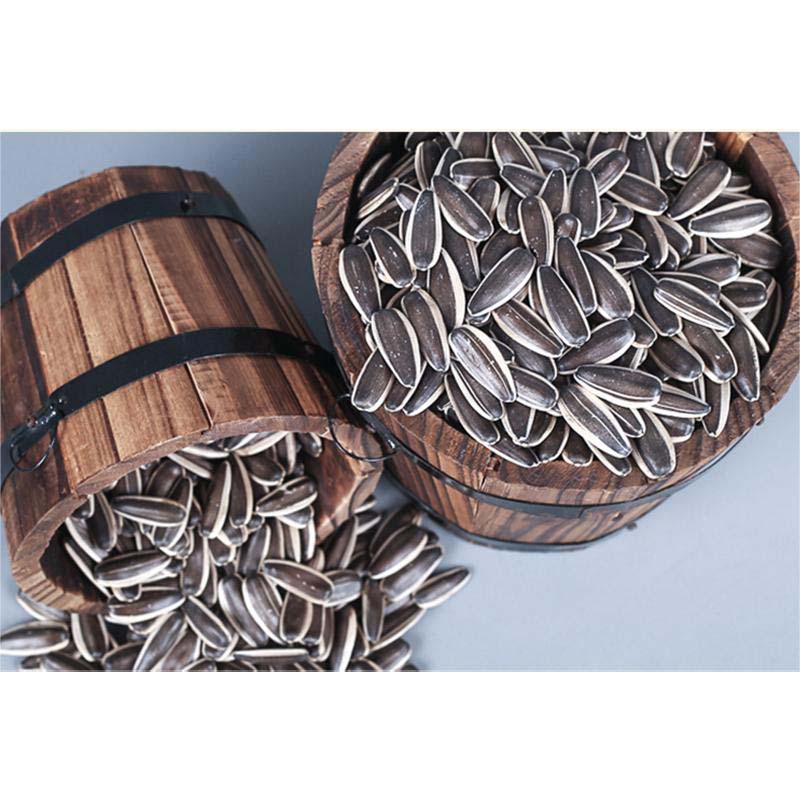
China selected sunflower seeds represent a significant segment of the global edible oilseed market. Positioned within the agricultural supply chain, these seeds undergo a process of cultivation, harvesting, processing, and distribution. Their primary technical position lies in their oil content, protein profile, and fatty acid composition, serving as a foundational input for both direct human consumption as a snack food and for industrial oil extraction. Core performance characteristics are defined by oil yield (typically 40-50% by weight), kernel size, protein content (20-25%), and the levels of essential fatty acids like linoleic acid. The increasing demand for healthy fats and plant-based proteins drives continuous improvement in seed quality, agronomic practices, and processing technologies. A major industry pain point is ensuring consistent seed quality across diverse growing regions and mitigating the risk of aflatoxin contamination, necessitating robust quality control protocols and traceability systems.
Material Science & Manufacturing
The raw material for china selected sunflower seeds is Helianthus annuus, the common sunflower. Botanically, the seed comprises a hull (pericarp), kernel (cotyledon), and embryo. The hull’s composition is primarily cellulose and lignin, contributing to its structural integrity. The kernel is rich in lipids (primarily triglycerides), proteins (globulins, albumin, and gliadins), and carbohydrates. The manufacturing process begins with field cultivation, optimizing soil conditions, irrigation, and fertilizer application. Harvesting is typically mechanized, followed by seed cleaning to remove debris and foreign matter. A critical step is seed drying to reduce moisture content (typically 8-10%) to prevent fungal growth and maintain oil quality. Further processing involves dehulling, where the hull is mechanically removed, and kernel sizing to classify seeds based on dimensions. Oil extraction typically employs mechanical pressing (expelling) or solvent extraction (using hexane), with subsequent refining to remove impurities like free fatty acids, phospholipids, and pigments. Parameter control is paramount throughout the process: moisture content during drying, dehulling pressure, extraction temperature, and solvent residue levels all significantly influence seed and oil quality. Chemical compatibility assessments are vital to ensure the materials used in processing equipment (stainless steel, food-grade plastics) do not leach contaminants into the product. Variations in genotype impact hull thickness, oil content, and fatty acid profiles.
Performance & Engineering
The performance of china selected sunflower seeds is evaluated through several key engineering parameters. Firstly, hull strength dictates resistance to cracking during handling and processing. Force analysis reveals the force required to fracture the hull, influencing dehulling efficiency. Environmental resistance focuses on the seed’s ability to withstand storage conditions, specifically temperature and humidity fluctuations. High humidity promotes microbial growth and lipid oxidation, reducing oil quality. Controlled atmosphere storage (reducing oxygen levels) is often employed. Compliance requirements are dictated by national and international food safety standards (see section 7). The oil extraction process relies on principles of mass transfer, maximizing oil recovery while minimizing solvent usage. The mechanical integrity of the kernel is vital; kernels prone to shattering yield lower oil content and increased processing losses. Fatty acid composition directly influences oil’s oxidative stability and nutritional value. Linoleic acid, while beneficial, is susceptible to oxidation, necessitating the addition of antioxidants (e.g., vitamin E) during processing. Furthermore, the structural integrity of the seed influences its flowability and handling characteristics during industrial processing. Appropriate seed shape and size distribution minimize bridging and clogging in processing equipment.
Technical Specifications
| Parameter | Unit | Typical Value (Range) | Testing Method |
|---|---|---|---|
| Oil Content (Dry Basis) | % | 40-50 | Soxhlet Extraction (ISO 6593) |
| Protein Content (Dry Basis) | % | 20-25 | Kjeldahl Method (ISO 1871) |
| Moisture Content | % | 8-10 | Oven Drying (GB/T 5005) |
| Kernel Size (Diameter) | mm | 8-12 | Sieve Analysis |
| Linoleic Acid Content | % of Total Fatty Acids | 50-70 | Gas Chromatography (AOCS Cd 14-95) |
| Aflatoxin Content (Total) | µg/kg (ppb) | <2 ( <2 ppb) | ELISA Method (GB 50008.5) |
Failure Mode & Maintenance
Sunflower seeds are susceptible to several failure modes. Lipid Oxidation: Exposure to oxygen, light, and heat causes rancidity, reducing oil quality and palatability. Mitigation involves antioxidant addition, controlled atmosphere storage, and packaging in opaque, airtight containers. Microbial Contamination: Fungal growth, particularly Aspergillus flavus, produces aflatoxins, rendering the seeds unsafe for consumption. Proper drying, storage hygiene, and the use of antifungal treatments are crucial preventative measures. Mechanical Damage: Cracking or shattering during handling and processing reduces yield and increases processing losses. Gentle handling procedures and optimized equipment settings are required. Insect Infestation: Storage pests can damage seeds and contaminate them with frass and exoskeletons. Insecticidal treatments and hermetic storage are effective control methods. Hygroscopic Degradation: Absorption of moisture leads to germination or microbial growth. Maintaining low moisture content is paramount. Maintenance strategies focus on regular cleaning and disinfection of storage facilities, proper equipment calibration, and implementing strict quality control protocols at each stage of the process. Regular monitoring of aflatoxin levels and oil quality parameters (peroxide value, acid value) is essential for identifying and addressing potential problems proactively.
Industry FAQ
Q: What are the key differences between high-oleic and linoleic sunflower seeds, and how does this impact their applications?
A: High-oleic seeds contain a significantly higher proportion of oleic acid (typically >70%) and lower linoleic acid. This translates to improved oxidative stability, resulting in longer shelf life and suitability for high-temperature cooking applications. Linoleic seeds, with their higher polyunsaturated fat content, are valued for their nutritional benefits but are more prone to oxidation and require antioxidants for stabilization.
Q: How does the dehulling process affect the oil yield and quality?
A: Efficient dehulling is critical. Incomplete dehulling leaves hull fragments attached to the kernel, reducing oil yield and potentially introducing undesirable flavors. Excessive dehulling pressure can damage the kernel, releasing free fatty acids and lowering oil quality. Optimizing dehulling parameters (pressure, impact angle, speed) is essential.
Q: What methods are used to detect and mitigate aflatoxin contamination in sunflower seeds?
A: Aflatoxin levels are primarily assessed using Enzyme-Linked Immunosorbent Assay (ELISA) and High-Performance Liquid Chromatography (HPLC). Mitigation strategies include pre-harvest practices (selecting disease-resistant varieties, controlling insect pests), proper drying, storage hygiene, and the use of approved antifungal treatments. Regular monitoring and sorting of contaminated seeds are also essential.
Q: What are the key quality control parameters monitored during sunflower oil extraction?
A: Key parameters include free fatty acid content (indicating oil degradation), peroxide value (measuring oxidative rancidity), color (assessed using Lovibond scales), moisture content, and residual solvent levels (if solvent extraction is used). Monitoring these parameters ensures the oil meets specified quality standards.
Q: How do different storage conditions affect the shelf life of sunflower seeds?
A: Optimal storage conditions involve low temperature (below 15°C), low humidity (below 60%), and protection from light and oxygen. Elevated temperature and humidity accelerate lipid oxidation, microbial growth, and moisture absorption, reducing shelf life. Hermetic storage (airtight containers) is highly recommended.
Conclusion
China selected sunflower seeds represent a complex agricultural commodity requiring meticulous attention to detail throughout the entire value chain. From the initial selection of cultivars and optimized agronomic practices to precise manufacturing and stringent quality control, each stage influences the final product's performance, safety, and nutritional value. Understanding the material science of the seed, the intricacies of oil extraction, and the potential failure modes is crucial for maintaining high-quality standards and ensuring consumer confidence.
Looking forward, advancements in breeding programs focused on enhancing oil content, improving fatty acid profiles, and increasing resistance to pests and diseases will continue to drive innovation. The implementation of blockchain technology for traceability and the development of more sustainable processing methods will further enhance the industry’s resilience and responsiveness to evolving consumer demands. A continued focus on minimizing aflatoxin contamination and optimizing storage logistics remains paramount for securing a stable and reliable supply of high-quality sunflower seeds.
