Introduction
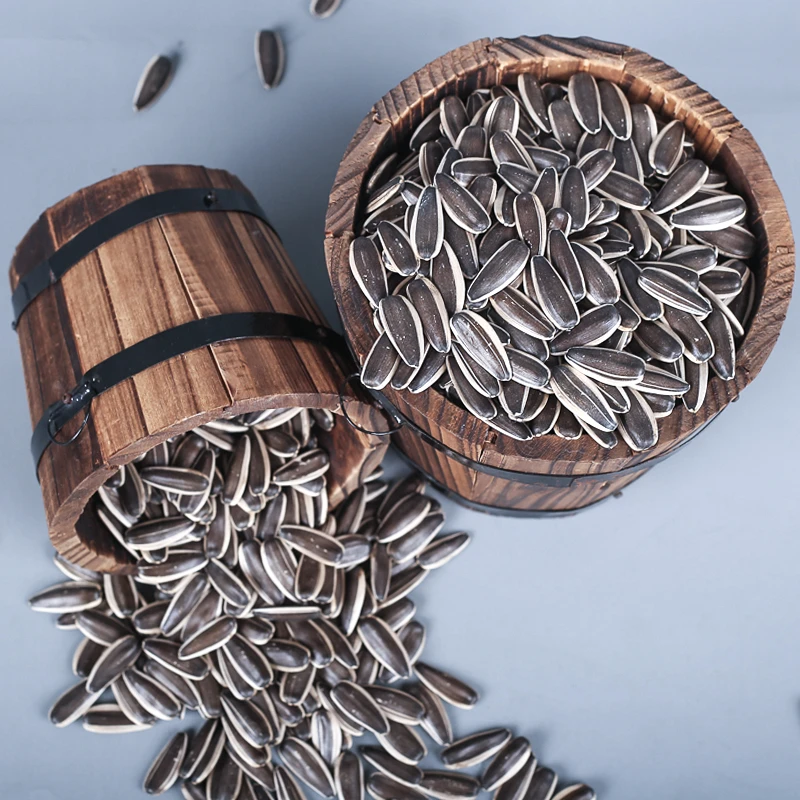
China seedless sunflower seeds ( Helianthus annuus) represent a significant segment of the global edible seed market, particularly in snack food applications. Their technical position within the agricultural supply chain lies between primary cultivation and final consumer product formulation. Unlike conventional sunflower seeds requiring dehulling, seedless varieties are consumed whole, impacting processing requirements and product characteristics. Core performance attributes center around kernel size, oil content, protein content, and the absence of hull fragments, all of which dictate sensory qualities and nutritional value. This guide provides a comprehensive technical analysis encompassing the material science, manufacturing processes, performance characteristics, failure modes, and relevant industry standards associated with China seedless sunflower seeds, aimed at B2B industrial stakeholders.
Material Science & Manufacturing
The fundamental material science of seedless sunflower seeds revolves around their biochemical composition. Kernels are primarily composed of lipids (40-50% by weight), proteins (18-25%), carbohydrates (15-20%), and moisture (8-12%). The lipid fraction largely consists of linoleic acid (a polyunsaturated omega-6 fatty acid) and oleic acid (a monounsaturated fatty acid). Protein content is dominated by globulins and albumin. Seedless varieties are developed through selective breeding programs focused on mutations impacting hull development. Manufacturing begins with specialized cultivation techniques emphasizing optimized irrigation, fertilization (nitrogen, phosphorus, potassium), and pest control to maximize kernel fill and minimize defects. Harvesting is typically mechanized, followed by drying to reduce moisture content to approximately 9-10% to inhibit microbial growth and prevent rancidity. Key parameter control during drying involves maintaining temperatures below 45°C to preserve oil quality. Post-drying, seeds undergo cleaning to remove debris, foreign matter, and underdeveloped kernels. Grading is performed based on size, shape, and the absence of hull fragments. Further processing often includes seasoning, roasting, and packaging. Roasting, typically conducted between 160-180°C, alters the seed's flavor profile and texture through Maillard reactions and lipid oxidation. Packaging must employ materials with low oxygen transmission rates (OTR) to prevent oxidative degradation of lipids.
Performance & Engineering
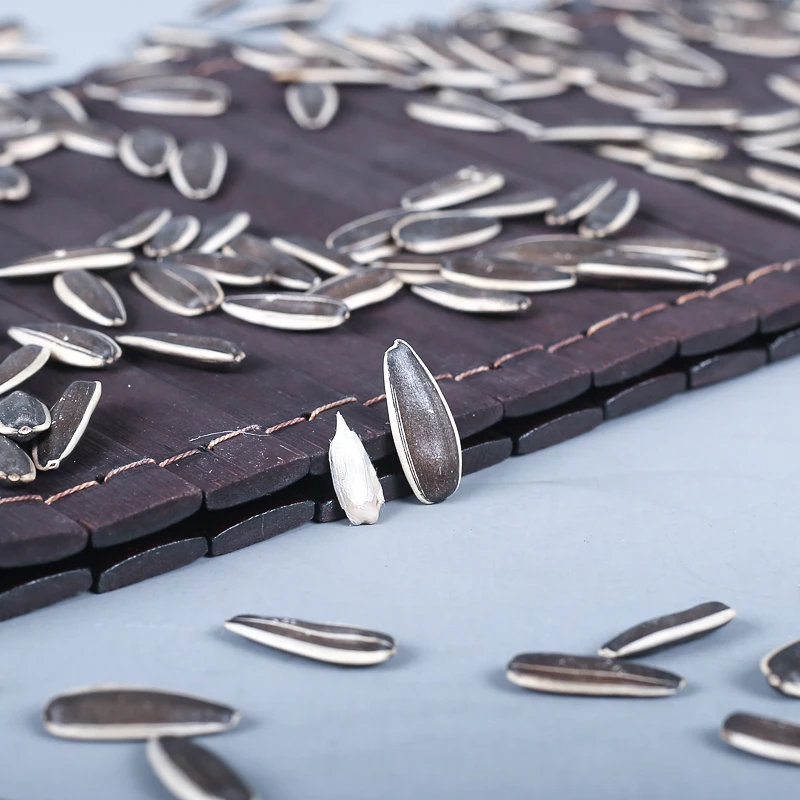
Performance evaluation of china seedless sunflower seeds extends beyond basic nutritional analysis to encompass physical properties critical for processing and consumption. Kernel hardness, measured using a penetrometer, affects ease of cracking during consumption and impacts dust generation during handling. Oil extraction efficiency, though typically not a primary concern for whole-seed consumption, is relevant for byproduct utilization. Moisture content directly influences shelf life and susceptibility to fungal contamination. Force analysis during cracking reveals the energy required to fracture the kernel, influencing consumer acceptability. Environmental resistance is primarily related to storage conditions. Exposure to high humidity promotes mold growth and mycotoxin production (aflatoxins are a significant concern), requiring controlled humidity storage (below 65% relative humidity). Light exposure can induce lipid oxidation, leading to rancidity. Compliance requirements mandate adherence to food safety regulations, including limits on heavy metal contamination (lead, cadmium) and pesticide residues. Functional implementation considerations include optimizing roasting parameters to balance flavor development with minimal lipid degradation and ensuring packaging integrity to maintain product quality throughout the supply chain. The absence of hulls necessitates robust quality control measures to prevent the inclusion of kernel fragments, which can impact mouthfeel.
Technical Specifications
| Parameter | Unit | Typical Value (China Seedless) | Standard Deviation |
|---|---|---|---|
| Kernel Moisture Content | % (wt/wt) | 9.5 | ±0.5 |
| Oil Content (on dry basis) | % (wt/wt) | 52.0 | ±2.0 |
| Protein Content (on dry basis) | % (wt/wt) | 22.0 | ±1.5 |
| Kernel Hardness | N (Newtons) | 180 | ±20 |
| Kernel Size (average length) | mm | 14.0 | ±1.0 |
| Aw (Water Activity) | – | 0.65 | ±0.02 |
Failure Mode & Maintenance
Failure modes in china seedless sunflower seeds primarily manifest as quality degradation during storage and distribution. Rancidity, caused by lipid oxidation, is a common failure mechanism, characterized by off-flavors and odors. This is accelerated by exposure to oxygen, light, and elevated temperatures. Microbial contamination, particularly by molds, leading to aflatoxin production, poses a significant safety risk. Cracked or broken kernels indicate physical damage during handling or processing, reducing aesthetic appeal and potentially increasing susceptibility to oxidation. Loss of crispness, resulting from moisture absorption, diminishes sensory quality. Maintenance strategies focus on preventative measures. Proper drying to achieve optimal moisture content is crucial. Packaging with low OTR and moisture vapor transmission rate (MVTR) is essential. Storage in cool, dark, and dry conditions minimizes oxidation and microbial growth. Regular monitoring of moisture content and aflatoxin levels is recommended. First-in, first-out (FIFO) inventory management ensures minimal storage duration. For processors, regular cleaning and sanitation of equipment prevent cross-contamination and maintain product quality. Addressing package integrity throughout the supply chain is paramount to prevent exposure to detrimental environmental factors.
Industry FAQ
Q: What are the critical control points for preventing aflatoxin contamination in seedless sunflower seeds?
A: The critical control points begin with sourcing seeds from regions with low aflatoxin prevalence. Thorough drying to below 9% moisture content is paramount as Aspergillus molds thrive in moist environments. Proper storage in sealed containers, protecting from humidity and temperature fluctuations, is vital. Regular testing for aflatoxin levels throughout the supply chain is crucial, adhering to regulatory limits.
Q: How does the oil content influence the shelf life of the seeds?
A: Higher oil content increases susceptibility to rancidity due to lipid oxidation. Unsaturated fatty acids are particularly prone to oxidation. Packaging with oxygen barriers (e.g., metallized films) and the addition of natural antioxidants (e.g., vitamin E) can extend shelf life.
Q: What is the significance of kernel hardness in the context of processing and consumption?
A: Kernel hardness impacts cracking force during consumption; consumers generally prefer a balance between ease of cracking and maintaining kernel integrity. During processing, hardness influences the amount of dust generated during handling and potential damage during roasting.
Q: What packaging materials are most suitable for maintaining the quality of seedless sunflower seeds?
A: Multi-layer films combining polyethylene (PE) for sealing, aluminum foil or metallized polyester (PET) for oxygen and light barrier properties, and polypropylene (PP) for rigidity are commonly used. Modified atmosphere packaging (MAP) with nitrogen flushing can further reduce oxidation.
Q: How do variations in growing conditions (temperature, rainfall) affect the final product quality?
A: Temperature and rainfall influence oil content and kernel fill. Optimal growing conditions yield higher oil content and larger kernels. Stressful conditions (drought, excessive rainfall) can reduce oil content and increase the proportion of shriveled or underdeveloped kernels.
Conclusion
China seedless sunflower seeds represent a complex agricultural product requiring meticulous attention to material science, manufacturing processes, and quality control. Their unique characteristics – the absence of a hull and high oil content – necessitate specialized handling and storage procedures to prevent rancidity and maintain sensory quality. Adherence to rigorous food safety standards, particularly concerning aflatoxin contamination, is paramount for market access and consumer protection.
Future trends are likely to focus on breeding programs aimed at enhancing oil quality (increasing oleic acid content) and improving resistance to environmental stresses. Advanced packaging technologies, incorporating active barrier films and oxygen scavengers, will play a crucial role in extending shelf life and preserving product freshness. Furthermore, optimization of supply chain logistics to minimize storage duration and environmental exposure will remain critical for maintaining the integrity of this valuable food commodity.
