Introduction
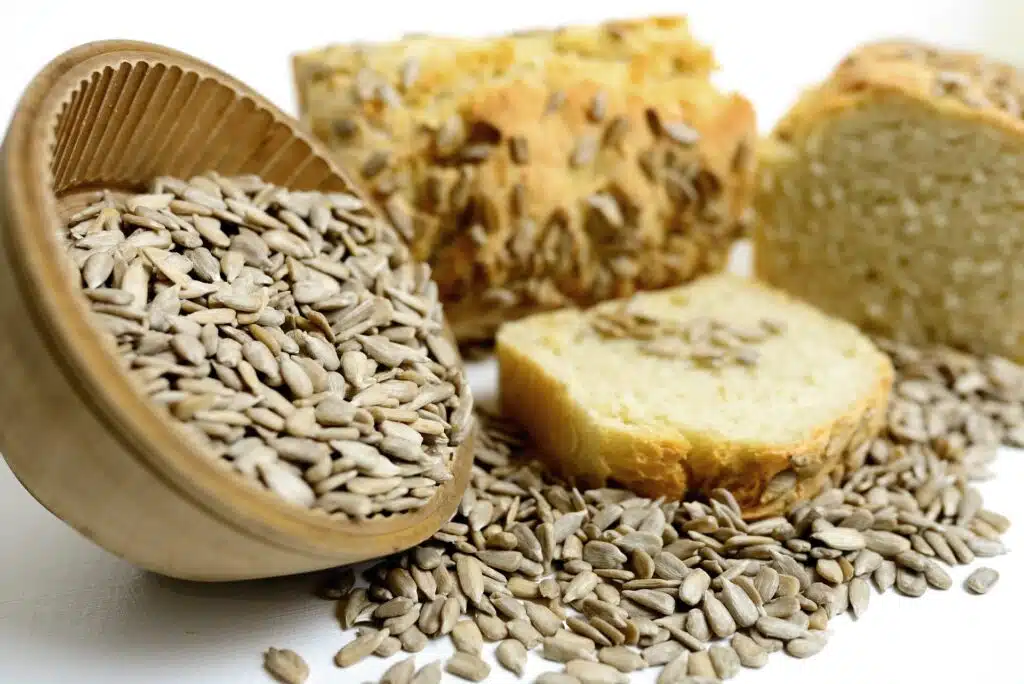
China salted melon seeds (Cucurbita pepo var. macrocarpa) represent a significant processed agricultural product within the Chinese snack food industry. These seeds, traditionally a byproduct of melon cultivation, have evolved into a commercially valuable commodity, consumed both domestically and exported internationally. Their production involves specific processing methodologies – cleaning, drying, salting, and often roasting – to enhance palatability and shelf stability. From a technical perspective, their quality is defined by a complex interplay of seed variety, cultivation practices, processing parameters, and storage conditions. The product’s core performance characteristics center around flavor profile, texture (crunchiness), moisture content, and microbial safety, directly impacting consumer acceptance and market value. A key industry pain point revolves around maintaining consistent quality, addressing mycotoxin contamination risks, and optimizing processing techniques to maximize yield and minimize waste. This guide provides a detailed analysis of the material science, manufacturing processes, performance attributes, potential failure modes, and relevant standards governing the production and distribution of China salted melon seeds.
Material Science & Manufacturing
The raw material, melon seeds, comprises a complex biochemical composition. Primarily, they consist of approximately 50-60% oil, predominantly linoleic acid (an omega-6 fatty acid), 20-30% protein, and 10-15% carbohydrates, alongside essential minerals like magnesium, iron, and zinc. The seed coat, or testa, is composed largely of cellulose and lignin, providing structural integrity and protection. Manufacturing begins with harvesting mature melon seeds, followed by thorough cleaning to remove debris. The drying process is critical; typically, seeds are sun-dried or mechanically dried using controlled temperature and humidity. Optimal moisture content (8-12%) is vital for preventing microbial growth and ensuring desirable texture. Salting is achieved through dry salting (mixing seeds with salt) or brine salting (soaking seeds in a salt solution). Roasting, often performed after salting, enhances flavor and crunchiness. Key parameter control during roasting includes temperature (120-180°C) and duration (10-20 minutes) to avoid lipid oxidation and acrylamide formation. The process also often includes a polishing stage to remove residual salt and improve visual appeal. Seed variety significantly impacts oil content and seed size, influencing both processing efficiency and final product quality. Selection of high-oleic acid varieties can improve oxidative stability and extend shelf life. Contamination risks during harvesting and processing – including mold growth and pesticide residues – necessitate rigorous quality control measures throughout the entire production chain.
Performance & Engineering
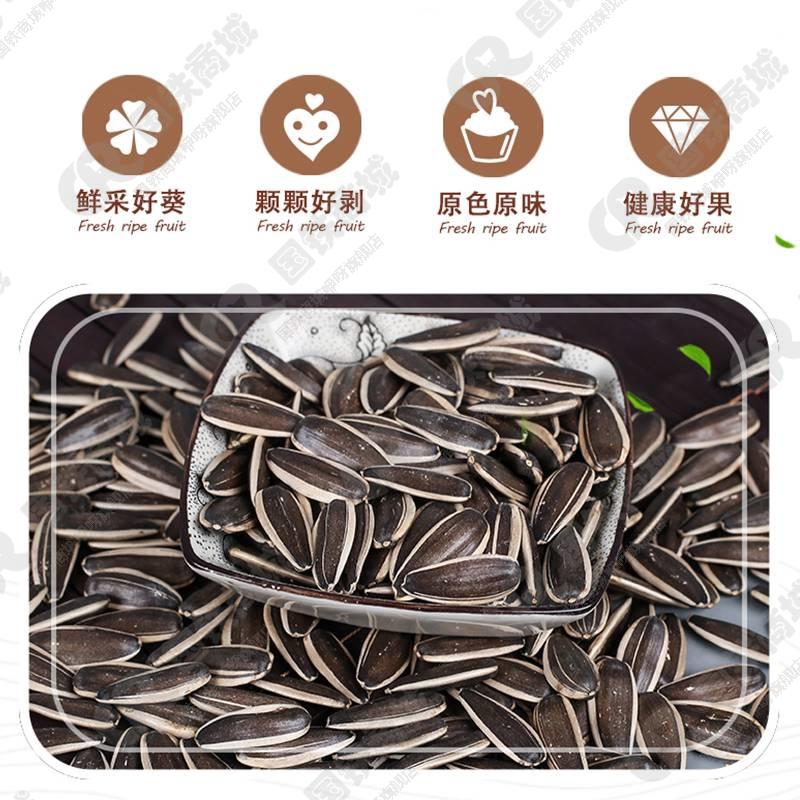
Performance characteristics of China salted melon seeds are multi-faceted. Crunchiness, a key sensory attribute, is directly related to seed moisture content and structural integrity. Force analysis, employing texture profile analysis (TPA), quantifies the force required to fracture a seed, providing an objective measure of crispness. Lower moisture content generally correlates with increased brittleness and higher TPA values. Environmental resistance, specifically stability against oxidation and moisture uptake, is crucial for maintaining product quality during storage. The unsaturated fatty acids in the seeds are susceptible to oxidative rancidity, leading to off-flavors and reduced nutritional value. Packaging plays a critical role in mitigating oxidation; airtight packaging with nitrogen flushing is commonly employed. Moisture vapor transmission rate (MVTR) of the packaging material must be low to prevent softening and microbial growth. Compliance requirements include adherence to national food safety standards (GB standards in China), maximum permissible levels for salt content, and limits for mycotoxin contamination (aflatoxins, ochratoxins). The engineering aspect focuses on optimizing processing parameters to minimize seed breakage during roasting and achieve uniform salt distribution. Furthermore, maintaining consistent seed size is important for uniform roasting and presentation.
Technical Specifications
| Parameter | Unit | Specification | Test Method |
|---|---|---|---|
| Moisture Content | % | 8.0 – 12.0 | GB 5005-2008 (Oven Drying Method) |
| Salt Content (NaCl) | % | 1.5 – 2.5 | GB/T 8806-2008 (Titration Method) |
| Oil Content | % | 45 – 55 | GB/T 5009-2008 (Soxhlet Extraction) |
| Aflatoxin B1 | µg/kg | ≤ 2.0 | GB 5005-2008 (HPLC) |
| Peroxide Value (PV) | meq/kg | ≤ 10.0 | GB/T 38630-2010 (Titrimetric Method) |
| Acid Value (AV) | mg KOH/g | ≤ 4.0 | GB/T 38630-2010 (Titrimetric Method) |
Failure Mode & Maintenance
Common failure modes in China salted melon seeds include rancidity due to lipid oxidation, softening caused by moisture absorption, and cracking during handling. Rancidity is accelerated by exposure to oxygen, light, and elevated temperatures. The unsaturated fatty acids undergo peroxidation, producing undesirable off-flavors and reducing nutritional value. Softening occurs when seeds absorb moisture from the atmosphere, compromising their texture and leading to clumping. Cracking can result from mechanical stress during processing, packaging, or transportation, or from excessive roasting. Mycotoxin contamination represents a serious failure mode, posing a health risk to consumers. Maintenance strategies focus on preventing these failures. Proper packaging with low OTR and MVTR is essential to minimize oxidation and moisture uptake. Storage in cool, dry, and dark conditions is crucial. Regular monitoring of peroxide value and acid value can detect early signs of rancidity. Implementing a robust HACCP (Hazard Analysis and Critical Control Points) system throughout the production process is vital for controlling mycotoxin contamination. Gentle handling and appropriate packaging materials can minimize seed breakage. For retail packaging, utilizing modified atmosphere packaging (MAP) with nitrogen flushing can extend shelf life significantly.
Industry FAQ
Q: What are the primary factors influencing the shelf life of salted melon seeds?
A: The primary factors are moisture content, oxygen exposure, temperature, and light exposure. High moisture content promotes microbial growth and textural degradation. Oxygen exposure accelerates lipid oxidation, leading to rancidity. Elevated temperatures speed up both oxidation and microbial activity. Light exposure can catalyze oxidation reactions. Proper packaging and storage conditions are critical for maximizing shelf life.
Q: How can we effectively control aflatoxin contamination in melon seeds?
A: Control begins with sourcing seeds from reputable suppliers with established quality control programs. Implementing pre-harvest practices to minimize mold growth in the field is vital. Thorough cleaning and sorting of seeds to remove damaged or moldy kernels are essential. Maintaining low moisture content during drying and storage inhibits mold growth. Regular testing for aflatoxins using sensitive analytical methods (HPLC) is crucial, and contaminated batches should be rejected.
Q: What is the optimal salt concentration for maximizing flavor without compromising product safety?
A: The optimal salt concentration typically ranges between 1.5% and 2.5% (NaCl). Higher concentrations can lead to excessive saltiness and potential health concerns. Lower concentrations may not adequately preserve the seeds or achieve the desired flavor profile. The ideal concentration depends on consumer preference and regional taste profiles.
Q: What packaging materials are recommended for maintaining product quality during long-term storage?
A: Multi-layer packaging materials with excellent barrier properties are recommended. These typically include a layer of aluminum foil or metallized film to block oxygen and light, a layer of polyethylene (PE) for moisture barrier, and an outer layer of polypropylene (PP) for strength and printability. Nitrogen flushing inside the package further reduces oxygen levels. The MVTR and OTR of the packaging material should be minimized.
Q: How does the roasting process impact the nutritional value and sensory characteristics of the seeds?
A: Roasting enhances the flavor and aroma of the seeds through Maillard reactions and caramelization. However, excessive roasting can lead to loss of certain heat-sensitive nutrients, such as vitamins. Roasting also influences texture, increasing crispness. Controlling the roasting temperature and duration is crucial to optimize flavor and texture while minimizing nutrient degradation and acrylamide formation.
Conclusion
China salted melon seeds represent a complex product requiring careful consideration of material science, manufacturing processes, and quality control measures. Maintaining consistent quality, addressing mycotoxin risks, and optimizing processing parameters are paramount for producing a safe, palatable, and commercially viable product. The success of this industry depends on adherence to stringent food safety standards and the implementation of robust quality management systems throughout the entire supply chain.
Future advancements will likely focus on developing novel processing techniques to minimize nutrient loss, improve oxidative stability, and enhance flavor profiles. The exploration of advanced packaging materials with enhanced barrier properties and the application of predictive modeling for shelf-life estimation will also be crucial. Furthermore, increasing consumer demand for healthier snack options may drive the development of low-sodium or organic salted melon seed products.
