Introduction
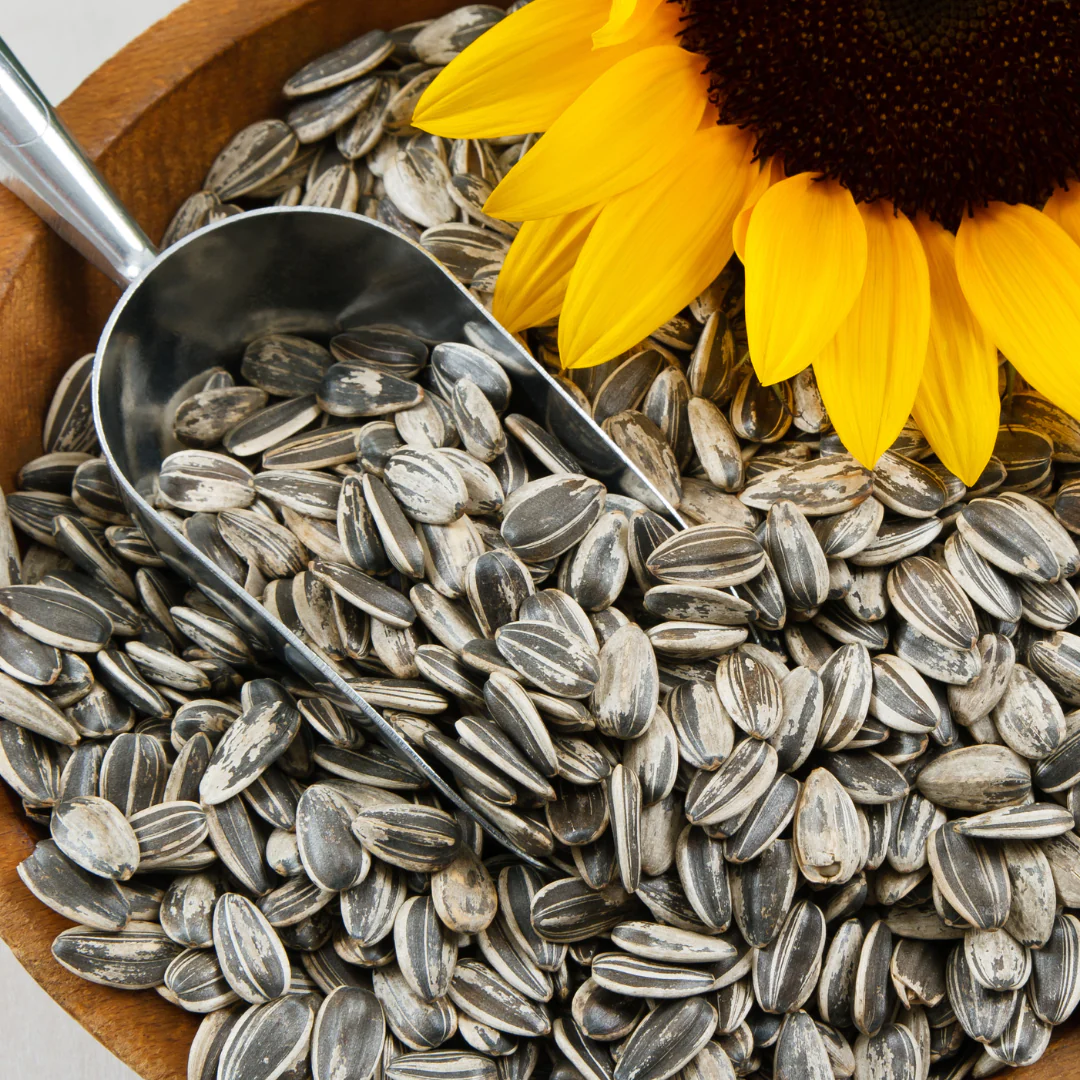
China rock sugar and snow pear flavored sunflower seeds represent a significant segment within the processed snack food industry, specifically categorized as seasoned seeds. These seeds occupy a unique position in the market, bridging traditional Chinese confectionery flavors with a readily-consumed, portable snack. The core performance characteristics hinge on a delicate balance between seed quality (size, maturity, oil content), seasoning adhesion, flavor profile intensity, and moisture control to maintain crispness and prevent rancidity. Production typically involves a multi-stage process: seed selection, pre-treatment (cleaning, drying, potentially dehulling), roasting, seasoning application, cooling, and packaging. Achieving consistent flavor and texture presents a significant technical challenge, particularly concerning the hygroscopic nature of rock sugar and the delicate aromatic compounds within snow pear flavoring. The market is driven by consumer demand for convenient, flavorful snacks and is subject to rigorous food safety and quality standards.
Material Science & Manufacturing
The primary raw material, sunflower seeds ( Helianthus annuus), exhibits varying oil content (typically 42-58% linoleic acid) and protein composition (20-25%). The kernel hardness directly impacts roasting uniformity and subsequent seasoning uptake. Rock sugar (Sucrose, C12H22O11) provides sweetness and textural contrast, but its high hygroscopicity necessitates precise control of humidity during processing. Snow pear flavoring is a complex blend of natural and/or artificial aroma compounds designed to mimic the scent and taste profile of snow pears (Pyrus betulaenia). These compounds are often encapsulated in maltodextrin or gum arabic for stability and controlled release. Manufacturing begins with seed selection, prioritizing uniformity and minimizing broken kernels. Pre-treatment involves cleaning to remove debris and drying to a moisture content of approximately 8-10%. Roasting is conducted in rotary or fluid-bed roasters at temperatures ranging from 120-150°C, carefully monitoring time and temperature to achieve optimal crispness without inducing lipid oxidation. Seasoning is typically applied in a rotating drum coater, utilizing a precise spray system to ensure even distribution of a syrup containing rock sugar solution, snow pear flavoring, and other additives. Cooling rapidly arrests the seasoning process and minimizes stickiness. Key parameter control includes maintaining consistent roasting temperatures, syrup viscosity, spray rate, and cooling airflow. Improper control can lead to uneven coating, clumping, or reduced shelf life.

Performance & Engineering
The structural integrity of the coating is critical to performance, resisting abrasion during handling and transit. Force analysis of the coating adhesion reveals shear strength values typically between 0.5-1.5 MPa, dependent on syrup concentration and seed surface roughness. Environmental resistance is a major concern, particularly regarding moisture ingress. The water activity (aw) of the finished product must be maintained below 0.65 to inhibit microbial growth and prevent caking. Packaging materials (typically multi-layer laminates with aluminum foil barriers) play a crucial role in controlling moisture transmission rate (MTR) and oxygen transmission rate (OTR). Compliance requirements necessitate adherence to food safety standards (HACCP, GMP) and labeling regulations (ingredient lists, nutritional information). Flavor release kinetics are engineered through encapsulation techniques, providing an initial burst of aroma followed by sustained flavor delivery. The distribution of flavoring compounds is assessed using gas chromatography-mass spectrometry (GC-MS) to ensure uniformity and intensity. Maintaining a desirable crunch requires controlling the glass transition temperature (Tg) of the coating matrix; excessive moisture plasticizes the sugar, diminishing crispness. Shelf-life studies, conducted under accelerated aging conditions, are essential to determine product stability and predict sensory changes over time.
Technical Specifications
| Parameter | Unit | Specification | Test Method |
|---|---|---|---|
| Moisture Content | % | ≤ 8.0 | Karl Fischer Titration (GB 5005-2008) |
| Oil Content | % | 48-54 | Soxhlet Extraction (GB/T 8631-2018) |
| Sugar Content (Sucrose) | % | 15-25 | HPLC (GB 5009.3-2016) |
| Water Activity (aw) | - | ≤ 0.65 | Water Activity Meter (ASTM E337) |
| Flavor Intensity (Snow Pear) | Arbitrary Units | ≥ 80 (Sensory Panel) | Sensory Evaluation (GB/T 17288-2016) |
| Broken Kernel Rate | % | ≤ 3.0 | Visual Inspection (GB/T 16991-2018) |
Failure Mode & Maintenance
Common failure modes include rancidity due to lipid oxidation, caking resulting from moisture absorption, flavor degradation due to volatile compound loss, and coating delamination caused by insufficient adhesion. Rancidity is accelerated by exposure to oxygen, light, and elevated temperatures. Failure analysis reveals that oxidation products (peroxides, aldehydes) contribute to off-flavors and reduced shelf life. Caking is primarily linked to high humidity environments and inadequate barrier properties of packaging materials. Flavor degradation occurs through diffusion of volatile aroma compounds, particularly in improperly sealed packages. Coating delamination can be attributed to surface contamination on the seeds, improper syrup viscosity, or insufficient cooling. Maintenance primarily focuses on optimizing storage conditions: maintaining cool, dry environments (≤25°C, relative humidity ≤60%) and utilizing appropriate packaging materials. Regular quality control checks, including peroxide value assessment (GB/T 8632-2008) and sensory evaluation, are crucial for detecting early signs of degradation. Proper inventory management, employing a first-in, first-out (FIFO) system, minimizes the risk of exceeding shelf life. Preventative measures also include nitrogen flushing of packages to reduce oxygen levels and the incorporation of antioxidants (e.g., BHT, BHA) in the coating formulation within legally permitted limits.
Industry FAQ
Q: What is the primary factor influencing the shelf life of these seasoned sunflower seeds?
A: The primary factor is moisture control. Sunflower seeds, and especially the rock sugar coating, are highly hygroscopic. Maintaining a low water activity (aw < 0.65) is critical to prevent caking, microbial growth, and lipid oxidation. Effective packaging with appropriate barrier properties is paramount.
Q: How is the consistency of the snow pear flavoring ensured across different production batches?
A: Consistency relies on precise control of the flavoring compound blend, its encapsulation process, and its delivery via the coating syrup. GC-MS analysis is used to verify the chemical composition and concentration of key aroma compounds. Sensory panel evaluations are also conducted to ensure consistent flavor perception.
Q: What are the key considerations for selecting appropriate packaging materials?
A: Packaging materials must provide excellent barriers against moisture, oxygen, and light. Multi-layer laminates incorporating aluminum foil are commonly used. The material's thickness, permeability characteristics, and seal integrity are all crucial factors. Compliance with food contact regulations is also essential.
Q: What quality control tests are performed to assess the effectiveness of the roasting process?
A: Key tests include moisture content analysis, oil content determination, and assessment of kernel color and texture. The roasting process aims to achieve a specific level of crispness without inducing excessive oil oxidation. Sensory evaluation also plays a role in judging the overall quality of the roasted seeds.
Q: How do variations in sunflower seed quality (e.g., oil content) impact the final product?
A: Variations in oil content directly affect the seed's roasting behavior and flavor profile. Higher oil content seeds tend to roast more quickly but are also more prone to oxidation. Seed size and uniformity influence coating adhesion and overall appearance. Batch-to-batch variations require adjustments to the roasting and seasoning processes to maintain consistent quality.
Conclusion
China rock sugar and snow pear flavored sunflower seeds represent a complex interplay of material science, manufacturing engineering, and quality control. Achieving a commercially successful product requires meticulous attention to detail throughout the entire process chain, from raw material sourcing to packaging and storage. Maintaining optimal moisture content, ensuring effective coating adhesion, and preserving the delicate snow pear flavor profile are paramount technical challenges.
Future advancements may focus on utilizing novel encapsulation technologies to enhance flavor stability and controlled release, exploring alternative coating formulations with improved barrier properties, and implementing real-time monitoring systems to optimize process parameters. Continued research into lipid oxidation mechanisms and the development of natural antioxidants will also be crucial for extending shelf life and enhancing product quality.
