Introduction
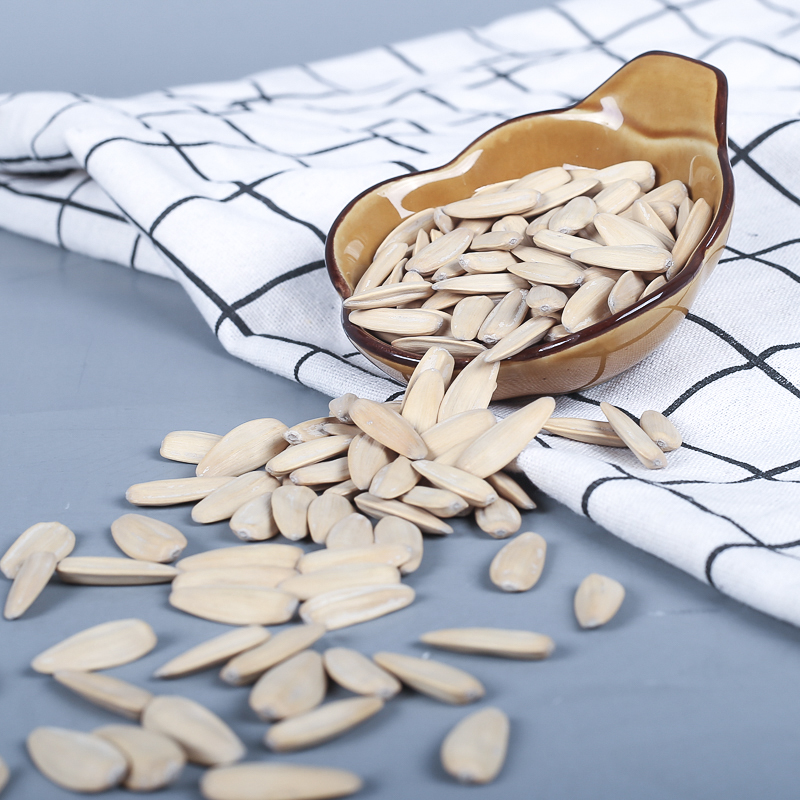
Roasted sunflower seeds, a globally consumed snack, represent a significant segment of the processed seed industry. China is a leading producer and exporter of these seeds, with a substantial portion undergoing roasting and flavoring for direct consumption. This technical guide focuses on the intricacies of producing high-quality roasted sunflower seeds, detailing the critical parameters controlling the process from raw material selection to finished product stability. The technical position within the food chain involves agricultural production, post-harvest processing (cleaning, grading, dehulling), roasting, flavoring, packaging, and finally, distribution. Core performance characteristics relate to seed integrity (minimizing broken kernels), roasting uniformity (consistent color and crispness), flavor adhesion, and shelf life (resistance to rancidity and moisture absorption). A primary industry pain point is achieving consistent product quality across large-scale production while meeting increasingly stringent food safety regulations and consumer preferences for natural or low-additive formulations.
Material Science & Manufacturing
The primary raw material, sunflower seeds ( Helianthus annuus), exhibits variability in oil content (38-58%), protein content (18-25%), and moisture content (8-12%) depending on cultivar and growing conditions. The kernel's hull, composed primarily of cellulose and lignin, provides a physical barrier and influences roasting kinetics. Roasting involves complex physicochemical changes. Maillard reactions between reducing sugars and amino acids contribute to the characteristic flavor and brown color. Lipid oxidation is a key factor determining flavor development and, critically, rancidity. Moisture migration within the kernel impacts texture. The manufacturing process typically involves: 1) Cleaning & Grading: Removing foreign matter and classifying seeds by size. Critical parameter: effective removal of contaminants; 2) Dehulling: Mechanically removing the hull. Parameter control: minimizing kernel damage during dehulling, typically 2-5% breakage is acceptable; 3) Roasting: Applying controlled heat. This is generally performed in rotary or fluid-bed roasters. Parameter control: temperature (140-180°C), roasting time (20-40 minutes), airflow (to remove moisture), and drum speed (for uniform heating). Monitoring moisture content during roasting is vital – target is 2-3%; 4) Flavoring: Applying seasonings (salt, spices, flavor enhancers). Parameter control: uniform coating application using tumbling or spraying techniques, adhesion strength is key; 5) Cooling: Rapidly reducing kernel temperature to halt roasting and prevent further oxidation. Parameter control: airflow rate and cooling time; 6) Packaging: Utilizing barrier films to prevent moisture absorption and oxygen ingress. Parameter control: package permeability to oxygen and water vapor. Material compatibility between the seed oil and the packaging film is crucial to prevent migration of packaging components into the food.
Performance & Engineering
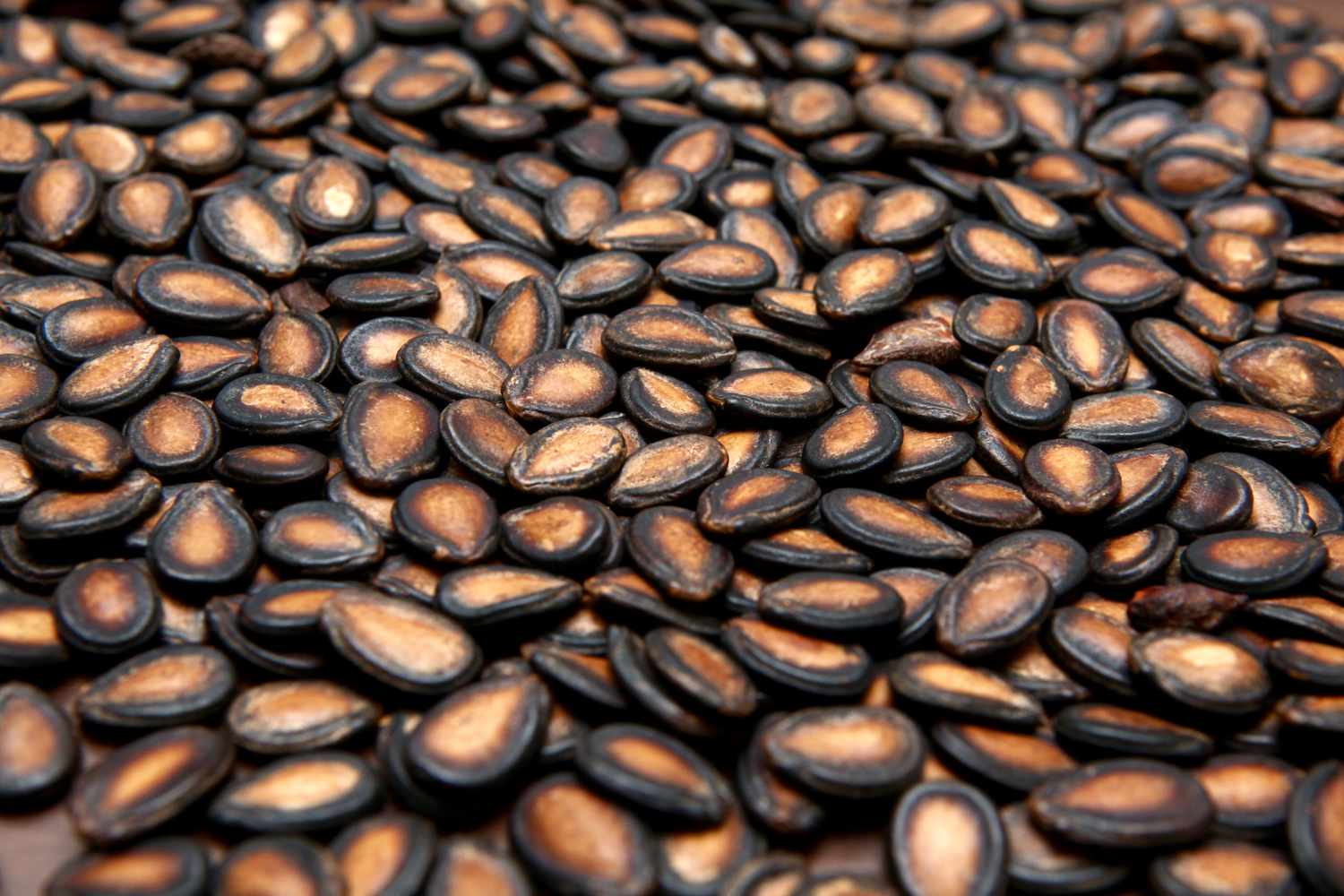
Performance is primarily governed by heat and mass transfer during roasting. Heat transfer mechanisms include conduction, convection, and radiation. Maintaining uniform temperature distribution within the roasting bed is critical to prevent scorching or under-roasting. Mass transfer governs moisture evaporation and volatile compound development. The rate of moisture removal influences texture – slower drying yields a chewier product, while rapid drying leads to a crisper product. Engineering considerations involve roaster design to maximize heat transfer efficiency and airflow uniformity. Stress analysis of roaster components (drums, flights) is essential to ensure structural integrity under thermal and mechanical loads. Environmental resistance is relevant for equipment operating in humid or dusty environments – corrosion prevention measures are necessary. Compliance requirements include food safety standards (HACCP, GMP), packaging material regulations (migration limits for plasticizers and other additives), and labeling requirements (nutritional information, allergen declarations). A critical engineering challenge is controlling the formation of acrylamide, a potentially harmful compound that can form during high-temperature roasting. Optimizing roasting parameters (temperature, time, moisture content) can minimize acrylamide levels.
Technical Specifications
| Parameter | Unit | Typical Range | Test Method |
|---|---|---|---|
| Moisture Content (Kernel) | % | 2.0 – 3.0 | AOAC 925.10 |
| Oil Content (Kernel) | % | 45 – 55 | Soxhlet Extraction (ISO 6593) |
| Kernel Brokenness | % | < 5 | Visual Inspection (GB 5268) |
| Water Activity (aw) | - | < 0.6 | Water Activity Meter (ASTM E337) |
| Peroxide Value (PV) | meq O2/kg | < 5 | Titration (ISO 3960) |
| Acrylamide Content | µg/kg | < 100 | GC-MS (EN 6574) |
Failure Mode & Maintenance
Common failure modes include rancidity due to lipid oxidation, resulting in off-flavors and reduced shelf life. This is accelerated by exposure to oxygen, light, and heat. Kernel cracking during roasting or handling leads to increased surface area for oxidation and moisture absorption. Flavor adhesion failure results in unevenly flavored seeds and reduced consumer appeal. Packaging failure (e.g., seal integrity breach) allows oxygen and moisture ingress, accelerating degradation. Maintenance strategies include regular cleaning of roasting equipment to prevent buildup of oils and debris, calibration of temperature sensors, inspection of roaster drums for wear and tear, and proper storage of raw materials and finished products in cool, dry conditions. Preventative maintenance schedules should incorporate bearing lubrication and belt tension adjustments. Root cause analysis of defects (e.g., excessive broken kernels) should be conducted to identify and address underlying process issues. Monitoring peroxide value and water activity are key indicators of product stability and can trigger corrective actions. Regular visual inspection of packaged products for seal integrity is essential.
Industry FAQ
Q: What is the optimal roasting profile to minimize acrylamide formation without sacrificing flavor development?
A: Lowering the roasting temperature and reducing roasting time are the most effective strategies. However, this can impact flavor development. Optimizing moisture content before roasting is also crucial – a slightly higher initial moisture content can reduce acrylamide formation. Utilizing roasting profiles that involve a gradual temperature increase, followed by a controlled hold, can help balance flavor development and acrylamide mitigation.
Q: How do different packaging materials affect the shelf life of roasted sunflower seeds?
A: Packaging materials with low oxygen and water vapor permeability are essential. Metallized films and multilayer structures incorporating aluminum foil provide the best barrier properties. The material must also be compatible with the seed oil to prevent migration of plasticizers or other additives into the food. Vacuum packaging or modified atmosphere packaging (MAP) with nitrogen flushing can further extend shelf life.
Q: What are the critical control points in the dehulling process to minimize kernel damage?
A: Maintaining proper dehulling pressure and impact velocity are key. Regular inspection and replacement of dehulling rollers are necessary. Controlling the feed rate to the dehuller ensures that kernels are not overloaded, reducing the risk of damage. Implementing a post-dehulling screening process to remove broken kernels is also crucial.
Q: How can we accurately measure and control the uniformity of flavor adhesion during the flavoring process?
A: Utilizing a controlled-spray application system with precise flow rate and nozzle configuration is essential. Monitoring the weight gain of the seeds after flavoring provides a basic indication of coating adhesion. More sophisticated methods involve measuring the shear strength of the coating using a texture analyzer. Visual inspection for even coating distribution is also important.
Q: What are the key considerations when scaling up roasting production from pilot-scale to industrial-scale?
A: Maintaining consistent heat transfer and airflow distribution is the biggest challenge. Pilot-scale results cannot be directly extrapolated to industrial-scale without careful consideration of roaster geometry, drum speed, and airflow patterns. Computational fluid dynamics (CFD) modeling can be used to optimize roaster design and operating parameters. Thorough process validation is essential to ensure that product quality is maintained at the larger scale.
Conclusion
The production of high-quality roasted sunflower seeds is a complex process demanding meticulous control over material science, manufacturing parameters, and engineering principles. Maintaining consistent product quality requires a deep understanding of the underlying physicochemical changes occurring during roasting and the impact of packaging on shelf life. Addressing industry pain points related to consistent flavor, minimal defects, and adherence to stringent food safety regulations necessitates robust process monitoring, preventative maintenance, and continuous improvement initiatives.
Future trends will likely focus on developing more sustainable roasting technologies (e.g., microwave or infrared roasting), exploring novel flavoring techniques, and implementing advanced process control systems based on real-time sensor data. Furthermore, consumer demand for healthier snack options will drive innovation in low-salt and low-fat formulations. Optimization of the entire supply chain, from seed sourcing to packaging, will be critical for enhancing product quality and reducing production costs.
