Introduction
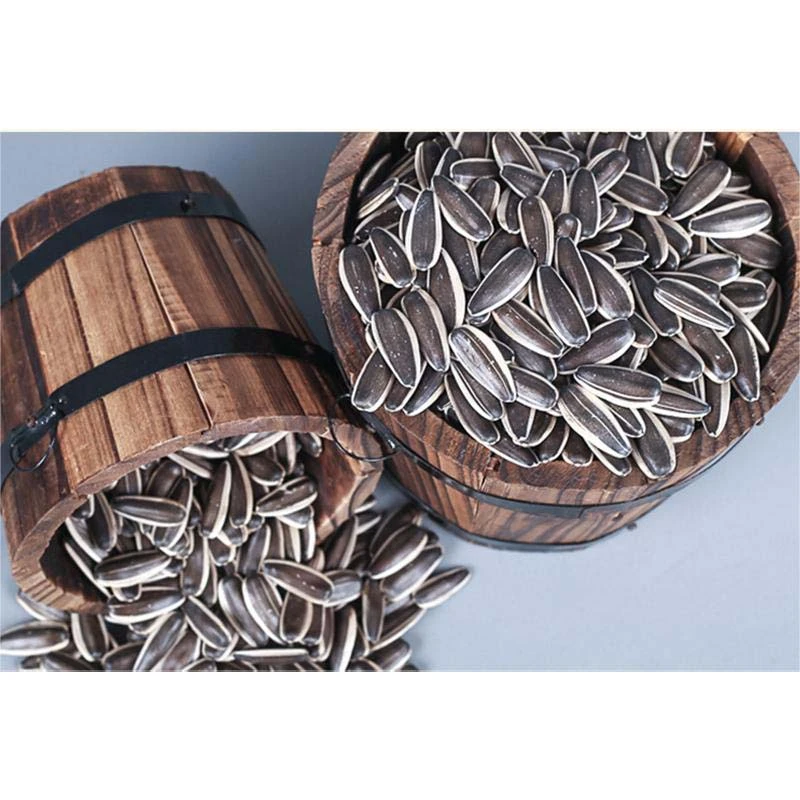
China-roasted shelled sunflower seeds represent a significant sector within the processed seed and snack food industry. These seeds, Helianthus annuus, are cultivated for their oil-rich kernels, which are subsequently shelled, processed, and roasted, offering a widely consumed and economically important snack. The roasting process, traditionally utilizing oil and salt, significantly impacts the product’s flavor, texture, and shelf life. This guide provides an in-depth technical analysis of the material science, manufacturing processes, performance characteristics, potential failure modes, and industry standards governing the production of China-roasted shelled sunflower seeds, addressing key concerns for B2B procurement and quality control within the food processing and agricultural sectors. A core industry pain point lies in maintaining consistent kernel quality, minimizing acrylamide formation during roasting, and ensuring compliance with stringent food safety regulations across international markets.
Material Science & Manufacturing
The raw material, sunflower seed kernels, comprises approximately 40-50% oil (primarily linoleic acid), 20-25% protein, 15-20% carbohydrates, and 5-10% moisture. The oil content and fatty acid profile are crucial determinants of flavor development and oxidative stability. Seed shell composition consists largely of cellulose and lignin, impacting the efficiency of the shelling process. Manufacturing begins with seed cleaning and grading based on size and density. The shelling process typically employs mechanical methods, utilizing impact and friction to separate kernels from shells. This is a critical control point, as kernel damage increases susceptibility to rancidity. Roasting is typically conducted using continuous rotary roasters or fluid bed roasters, operating at temperatures ranging from 120-160°C. Key parameters include roasting time, temperature profile, and oil application rate. Temperature control is paramount; exceeding optimal temperatures leads to acrylamide formation, a known carcinogen. Post-roasting, seeds are typically seasoned with salt and flavorings, followed by cooling and packaging. Packaging materials are selected for their barrier properties against moisture, oxygen, and light, essential for preserving product quality. Moisture content is critical, with levels maintained below 8% to prevent microbial growth and maintain crispness. Oil selection for roasting (e.g., sunflower oil, palm oil) impacts flavor and oxidative stability; high levels of unsaturated fatty acids require careful consideration of antioxidant addition.
Performance & Engineering
Performance is evaluated based on several key parameters. Texture, quantified through compression tests, dictates perceived crispness and mouthfeel. Shear force measurements correlate with consumer acceptability. Moisture content impacts both texture and shelf life; water activity (Aw) is a critical metric, typically maintained below 0.6. Oil absorption, measured by solvent extraction, determines the extent of oil uptake during roasting. Flavor profile, assessed via sensory analysis (taste panels), is a complex attribute influenced by roasting temperature, time, and seasoning composition. Environmental resistance, primarily concerning moisture and oxygen permeability, is dependent on the packaging material. The barrier properties of packaging films (OTR – Oxygen Transmission Rate; WVTR – Water Vapor Transmission Rate) directly impact product shelf life. Compliance requirements include adherence to national and international food safety standards (see section 7). Engineering considerations focus on optimizing roasting parameters to minimize acrylamide formation while maximizing flavor development. This often involves utilizing process control systems and real-time monitoring of temperature and humidity.
Technical Specifications
| Parameter | Unit | Typical Range | Testing Method |
|---|---|---|---|
| Moisture Content | % | 5.0 – 8.0 | Oven Drying (GB 5005-2008) |
| Oil Content | % | 45 – 55 | Soxhlet Extraction (GB/T 5005-2008) |
| Kernel Damage (Broken/Splits) | % | < 5 | Visual Inspection & Sieve Analysis |
| Salt Content | % | 1.0 – 2.5 | Argentometric Titration (GB 5009.3-2016) |
| Water Activity (Aw) | - | < 0.6 | Water Activity Meter (ASTM E337-93) |
| Acrylamide Content | µg/kg | < 100 (regulatory limit varies by region) | GC-MS (Gas Chromatography-Mass Spectrometry) |
Failure Mode & Maintenance
Common failure modes include rancidity (oxidative degradation of oils), evidenced by off-flavors and odors; this is exacerbated by high temperatures, light exposure, and oxygen permeability. Kernel cracking and chipping result from excessive mechanical stress during shelling and handling. Moisture absorption leads to loss of crispness and increased susceptibility to microbial growth. Acrylamide formation, a chemical hazard, occurs during high-temperature roasting. Packaging failure (e.g., seal breaches, punctures) compromises product protection. Maintenance strategies involve strict control of roasting parameters (temperature, time, oil application). Implementing robust quality control procedures for raw material sourcing (seed quality) and processing (shelling, roasting, packaging) is critical. Proper storage conditions – cool, dry, and dark – minimize oxidative degradation. Regular monitoring of moisture content and water activity is essential. Packaging materials should be selected and regularly inspected for integrity. Predictive maintenance programs for roasting equipment, including temperature calibration and component replacement, minimize downtime and ensure consistent product quality. Failure analysis, involving microscopic examination of damaged kernels and chemical analysis of oil oxidation products, can pinpoint root causes and inform corrective actions.
Industry FAQ
Q: What is the optimal moisture content range for maximizing shelf life, and how is it effectively monitored during production?
A: The optimal moisture content range is between 5.0% and 8.0%. Below 5.0%, the seeds can become overly brittle, increasing breakage during handling. Above 8.0%, microbial growth and loss of crispness become significant concerns. Effective monitoring involves the use of calibrated moisture analyzers utilizing oven-drying methods (GB 5005-2008) at multiple stages – incoming raw materials, post-roasting, and before packaging. Regular calibration and maintenance of these analyzers are essential for accurate readings.
Q: How do different roasting oils impact the flavor profile and oxidative stability of the final product?
A: Different oils possess distinct fatty acid profiles and antioxidant properties. Sunflower oil contributes a mild, neutral flavor and moderate oxidative stability. Palm oil imparts a slightly richer flavor but is more prone to oxidation. Utilizing oils with higher levels of natural antioxidants (e.g., Vitamin E) can enhance oxidative stability. The degree of refinement also plays a role; highly refined oils have lower antioxidant content. Careful oil selection and potential addition of synthetic antioxidants (within regulatory limits) are critical for maintaining product quality.
Q: What are the key considerations for packaging material selection to ensure optimal barrier properties and shelf life?
A: Packaging material selection prioritizes barrier properties against oxygen, moisture, and light. Multi-layer films incorporating aluminum foil or metallized layers provide excellent barrier protection. The WVTR (Water Vapor Transmission Rate) and OTR (Oxygen Transmission Rate) should be minimized. Material thickness and seal integrity are also critical. Consideration should be given to the material’s compatibility with the oil content of the seeds to prevent plasticizer migration and off-flavor development.
Q: What are the current regulatory limits for acrylamide in roasted sunflower seeds in major export markets (e.g., EU, USA)?
A: Regulatory limits for acrylamide vary. The European Union has a maximum level of 100 µg/kg for roasted nuts and seeds, including sunflower seeds (Regulation (EC) No 1881/2006). The USA does not currently have a specific regulatory limit for acrylamide in sunflower seeds but monitors levels and encourages manufacturers to minimize formation through best practices. Staying updated on evolving regulations in target export markets is crucial for compliance.
Q: What methods are employed to minimize kernel damage during the shelling process, and how is damage quantified?
A: Minimizing kernel damage involves optimizing shelling machine parameters – impact force, feed rate, and shell separation adjustments. Utilizing machines with gentle shelling mechanisms and incorporating pre-screening to remove oversized or oddly shaped seeds reduces damage. Damage is quantified through visual inspection, classifying kernels as whole, broken, or split. Sieve analysis can also be used to separate damaged kernels based on size and shape. A target of less than 5% damaged kernels is generally considered acceptable.
Conclusion
The production of high-quality China-roasted shelled sunflower seeds demands rigorous control over material science, manufacturing processes, and quality assurance protocols. Achieving optimal flavor, texture, and shelf life relies on precise control of roasting parameters, careful selection of packaging materials, and adherence to stringent food safety standards. Minimizing acrylamide formation remains a critical challenge requiring continuous process optimization and monitoring.
Future trends in this sector are likely to focus on developing novel roasting techniques to further reduce acrylamide levels, exploring alternative oil sources with enhanced oxidative stability, and implementing advanced packaging technologies to extend shelf life and reduce food waste. Continued investment in research and development, coupled with a commitment to best practices, will be essential for maintaining competitiveness in the global snack food market.
