Introduction
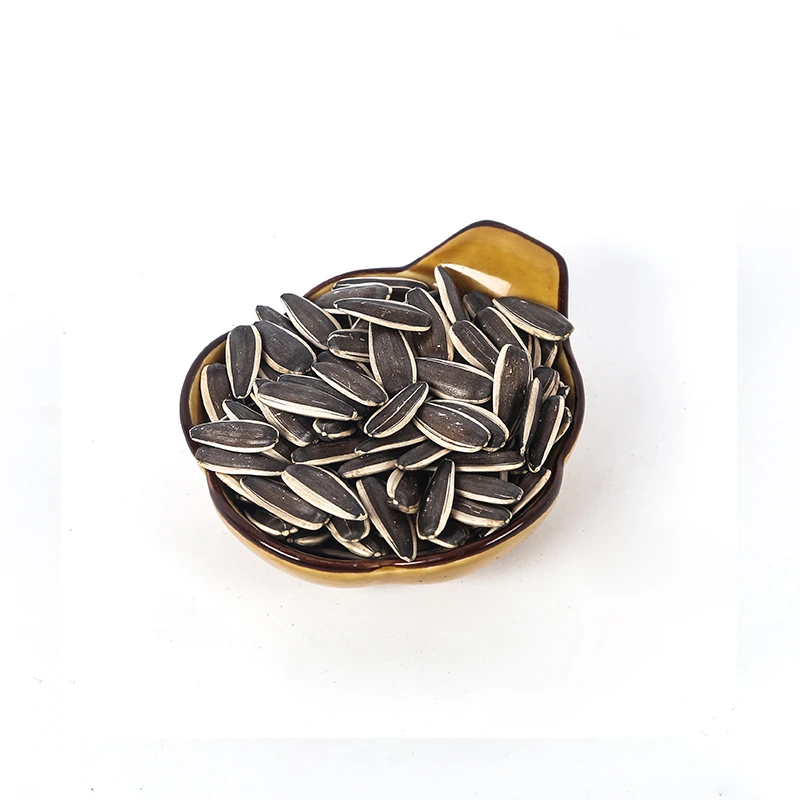
China roast sunflower seeds in shell represent a significant segment of the global snack food industry, characterized by a unique processing method that balances flavor, texture, and nutritional value. These seeds, derived from Helianthus annuus, occupy a distinct position within the broader seed and nut market. The production process, traditionally focused on maximizing palatability while preserving the seed’s inherent properties, has evolved to incorporate modern quality control and food safety standards. Core performance attributes encompass consistent roasting profiles, shell integrity impacting consumption experience, moisture content influencing shelf life, and aflatoxin levels governing food safety. This guide provides a comprehensive technical overview of the production, properties, performance, and potential failure modes of this widely consumed product, adhering to international quality standards. The primary industry pain point revolves around consistently achieving optimal roasting levels without compromising seed integrity or generating harmful compounds, coupled with maintaining acceptable aflatoxin levels throughout the supply chain.
Material Science & Manufacturing
The raw material, sunflower seeds, primarily comprises lipids (40-50%), proteins (15-25%), carbohydrates (10-20%), and fiber (5-10%). Lipid composition consists largely of linoleic acid (a polyunsaturated omega-6 fatty acid) and oleic acid (a monounsaturated fatty acid). Protein content includes significant levels of methionine and tryptophan. The shell, or pericarp, is composed of cellulose, hemicellulose, and lignin, providing structural integrity. Manufacturing begins with seed selection, sorting, and cleaning to remove foreign matter. Roasting, typically conducted at temperatures between 140-180°C (284-356°F) using hot air or oil, induces Maillard reactions responsible for characteristic flavor and color development. Crucially, controlling roasting time and temperature is vital to avoid lipid oxidation and the formation of acrylamide. Seasoning, commonly employing salt, spices, and flavor enhancers, is applied post-roasting. Key parameter control includes initial seed moisture content (typically 8-12%), roasting temperature precision (±2°C), and seasoning uniformity. Roasting is often carried out in rotating drum roasters or fluid bed roasters. In drum roasters, heat transfer is predominantly convective, while fluid bed roasters rely heavily on fluidization for even heat distribution. Cooling is then implemented rapidly to prevent over-roasting.
Performance & Engineering
Performance is fundamentally linked to the physical and chemical changes induced by the roasting process. Moisture content, post-roasting, is critical, ideally ranging from 3-5% to inhibit microbial growth and maintain crispness. Shell fracture strength, typically measured using compression testing, is a key indicator of processing quality; excessive fracture can lead to kernel loss and a less desirable consumer experience. Force analysis during shelling (by consumers) demonstrates the acceptable range of force needed to crack the shell without damaging the kernel. Environmental resistance is primarily related to moisture absorption; packaging plays a crucial role in maintaining low moisture levels. Compliance requirements encompass food safety regulations pertaining to aflatoxin limits (defined by various national and international bodies), pesticide residues, and heavy metal content. The Maillard reaction produces hundreds of volatile compounds contributing to aroma and flavor. Analysis of these compounds using gas chromatography-mass spectrometry (GC-MS) provides a fingerprint of the roasting process. Antioxidant capacity, affected by roasting, is also assessed to understand the impact on nutritional value. Lipid oxidation, measured by peroxide value (PV) and thiobarbituric acid reactive substances (TBARS), is a key indicator of product stability and shelf life.
Technical Specifications
| Parameter | Unit | Typical Value | Acceptable Range |
|---|---|---|---|
| Moisture Content | % | 4.5 | 3.0 - 5.0 |
| Aflatoxin B1 | ppb | <2 | <4 (Regulatory Limit) |
| Peroxide Value (PV) | meq O2/kg | <5 | <10 |
| Shell Fracture Strength | N | 80 | 60 - 100 |
| Oil Content | % | 45 | 40 - 50 |
| Salt Content | % | 1.5 | 1.0 - 2.0 |
Failure Mode & Maintenance
Failure modes in china roast sunflower seeds in shell can be categorized as follows: Rancidity – caused by lipid oxidation, leading to off-flavors and odors (prevented by proper packaging and antioxidant addition). Aflatoxin Contamination – arising from fungal growth during pre-harvest or storage (mitigated by rigorous quality control and proper drying). Shell Degradation – cracking or crumbling due to moisture absorption or mechanical stress (addressed by moisture-barrier packaging and gentle handling). Flavor Loss – volatilization of aroma compounds during storage (controlled through airtight packaging). Kernel Damage – cracking or fragmentation during roasting or shelling (optimized roasting parameters and shell strength). Maintenance involves strict adherence to Good Manufacturing Practices (GMP), regular monitoring of aflatoxin levels, maintaining optimal storage conditions (cool, dry, and dark), and employing robust packaging materials. Regular quality checks, including sensory evaluation, moisture content analysis, and aflatoxin testing, are essential. Preventative maintenance of roasting equipment (cleaning, calibration) also minimizes defects.
Industry FAQ
Q: What is the primary concern regarding aflatoxin levels in roasted sunflower seeds and how is it addressed?
A: Aflatoxins are mycotoxins produced by Aspergillus fungi, highly carcinogenic and regulated by international food safety standards. The primary concern is exceeding permissible limits, leading to product recalls and health risks. This is addressed through stringent seed sourcing practices, pre-roasting seed inspection for mold, effective drying to reduce moisture content, and regular testing throughout the production process using methods like HPLC and ELISA.
Q: How does roasting temperature impact the acrylamide formation in sunflower seeds?
A: Acrylamide is a potentially carcinogenic compound formed during the Maillard reaction at high temperatures. Higher roasting temperatures and longer roasting times generally correlate with increased acrylamide levels. Optimizing the roasting profile – specifically using lower temperatures for longer durations or employing specific roasting techniques – can minimize acrylamide formation without significantly compromising flavor development.
Q: What packaging materials are best suited for maintaining the quality and extending the shelf life of roasted sunflower seeds?
A: Multi-layer packaging films offering excellent moisture and oxygen barrier properties are crucial. Typically, these films incorporate layers of polyethylene (PE), polypropylene (PP), and aluminum foil. Modified atmosphere packaging (MAP) with nitrogen flushing can further reduce oxygen levels and enhance shelf life. The choice depends on target shelf life and cost considerations.
Q: What analytical methods are used to assess the lipid oxidation levels in roasted sunflower seeds?
A: The primary methods for assessing lipid oxidation are Peroxide Value (PV), measuring initial oxidation products, and Thiobarbituric Acid Reactive Substances (TBARS), quantifying secondary oxidation products like malondialdehyde. Gas Chromatography-Mass Spectrometry (GC-MS) can also identify specific volatile oxidation compounds. These methods provide a comprehensive understanding of lipid stability and product quality.
Q: How does the initial moisture content of the raw sunflower seeds affect the final product quality?
A: Initial moisture content is critical. Too high, and seeds are prone to fungal growth and aflatoxin contamination before and during roasting. Too low, and the seeds can become brittle and prone to breakage during processing. The optimal range is typically 8-12%, facilitating efficient roasting and maximizing kernel integrity. Proper drying techniques are vital for achieving this.
Conclusion
China roast sunflower seeds in shell are a complex product governed by intricate interactions between material science, processing parameters, and quality control measures. Achieving consistent product quality necessitates precise control over roasting temperature, moisture content, and seed sourcing. The optimization of these factors directly impacts flavor profile, shelf life, and most critically, food safety. Addressing the challenge of aflatoxin contamination and lipid oxidation remains central to maintaining consumer trust and complying with increasingly stringent regulatory standards.
Future developments will likely focus on innovative roasting technologies to further minimize acrylamide formation and enhance antioxidant retention. Exploring sustainable packaging solutions and implementing advanced supply chain traceability systems will also be essential. Continuous research into seed genetics and optimized growing conditions will contribute to sourcing higher-quality raw materials with inherently lower aflatoxin risk, solidifying the position of China roast sunflower seeds in shell as a globally preferred snack.
