Introduction
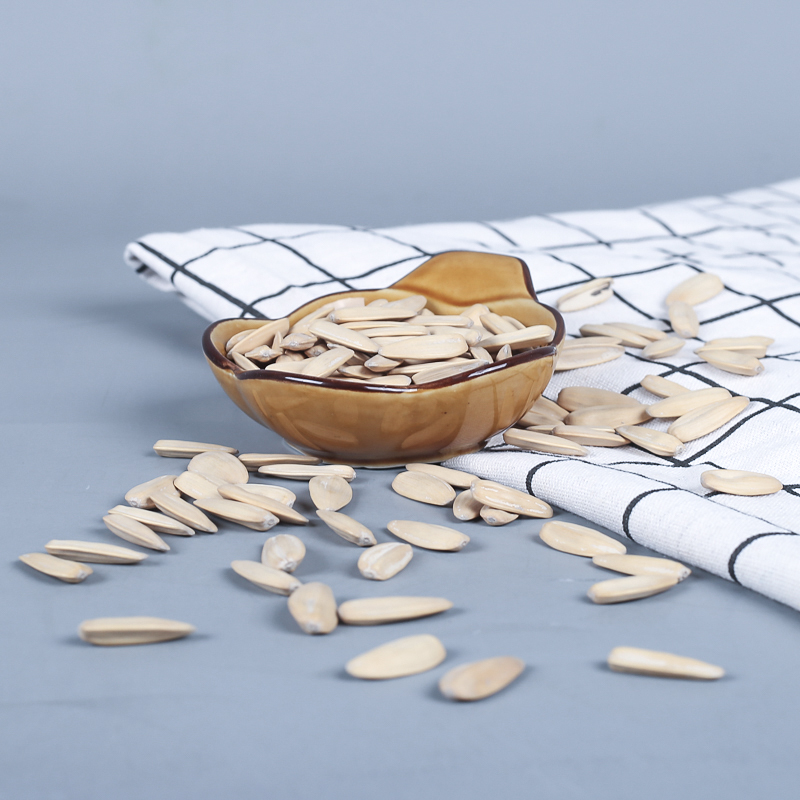
China raw sunflower seeds ( Helianthus annuus) represent a significant agricultural commodity with increasing global demand. Positioned within the oilseed processing industry, these seeds serve as a primary source of vegetable oil, confectionary snacks, and animal feed. The technical significance lies in the complex interplay between kernel quality, oil content, fatty acid profile, and the presence of potentially deleterious compounds. This guide details the material science, manufacturing processes, performance characteristics, potential failure modes, and relevant industry standards governing the production and handling of these seeds. A core industry pain point revolves around maintaining consistent seed quality, mitigating aflatoxin contamination, and optimizing oil extraction efficiency – all critical factors affecting economic viability and consumer safety.
Material Science & Manufacturing
Sunflower seeds are composed of approximately 35-50% oil, 20-30% protein, 15-25% carbohydrate (primarily cellulose and hemicellulose in the hull), and 5-10% moisture. The kernel’s lipid composition consists largely of linoleic acid (around 60-75%), oleic acid (10-30%), and palmitic acid (3-6%). The hull, or pericarp, provides physical protection but contributes to fiber content during processing. Raw material selection focuses on hybrid varieties bred for high oil yield, disease resistance, and favorable fatty acid profiles.
Manufacturing begins with harvesting, typically mechanically using combines. Post-harvest drying is crucial, targeting a moisture content of 9-10% to prevent fungal growth and maintain seed viability. Cleaning processes remove debris, chaff, and foreign materials using a combination of screens, aspiration, and gravity separation. Seed grading is performed based on size and density, influencing subsequent processing efficiency. The core processing steps include dehulling (removal of the pericarp, typically through impact or friction), kernel cracking, and oil extraction. Oil extraction methods include mechanical pressing (expelling) and solvent extraction (using hexane). Solvent extraction offers higher oil yields but necessitates stringent solvent recovery procedures. Parameter control during drying is paramount – excessive temperatures can degrade oil quality and reduce germination rates. In dehulling, precise adjustment of impact force is critical to minimize kernel damage. Solvent extraction requires precise temperature and solvent-to-seed ratios for optimal yield and minimized residual solvent levels.
Performance & Engineering
The performance of raw sunflower seeds is assessed through several key engineering characteristics. Kernel hardness, measured using a penetrometer, directly impacts oil extraction efficiency; harder kernels require greater energy input. Hull strength is critical during dehulling – insufficient strength results in excessive kernel breakage, while excessive strength necessitates higher energy consumption. Moisture content is a vital parameter, influencing both storability and oil yield. Aflatoxin contamination, caused by Aspergillus species, represents a significant safety concern. Engineering controls focus on minimizing water activity (through proper drying) and implementing robust sanitation protocols. The seeds must withstand the mechanical stresses of harvesting, handling, and processing without significant kernel damage. Transportation logistics require consideration of temperature and humidity control to prevent moisture regain and fungal growth. Compliance with food safety regulations (e.g., maximum permissible aflatoxin levels) is mandatory. Force analysis during dehulling involves assessing impact forces, friction coefficients, and kernel fracture mechanics. Environmental resistance considerations include susceptibility to insect infestation and rodent damage during storage.
Technical Specifications
| Parameter | Unit | Specification (Typical Range) | Test Method |
|---|---|---|---|
| Oil Content | % (dry basis) | 42-58 | AOAC Official Method 985.05 |
| Moisture Content | % | 9-10 | AOAC Official Method 925.10 |
| Kernel Hardness | N (Newtons) | 100-250 | Penetration Test (ASTM D445) – adapted |
| Aflatoxin B1 | ppb (parts per billion) | <20 | HPLC-FLD (High-Performance Liquid Chromatography with Fluorescence Detection) |
| Free Fatty Acids (FFA) | % oleic acid | <1.0 | Titration Method (AOCS Cd 3-63) |
| Hull Percentage | % | 20-30 | Visual Inspection and Weight Determination |
Failure Mode & Maintenance
Failure modes in raw sunflower seeds encompass both physical and biochemical degradation. Kernel cracking during handling and processing reduces oil yield and increases fine particle generation. Moisture regain during storage promotes fungal growth, leading to aflatoxin contamination and seed spoilage. Lipid oxidation, induced by exposure to oxygen and light, results in rancidity and a decrease in oil quality. Insect infestation causes direct seed loss and introduces contaminants. Prolonged storage at elevated temperatures accelerates degradation processes. Failure analysis requires microscopic examination of damaged kernels to identify the causative factors (e.g., impact damage, fungal hyphae). Preventive maintenance involves implementing robust drying protocols, maintaining proper storage conditions (cool, dry, dark environment), employing insect control measures, and adhering to strict sanitation procedures. Regular monitoring of moisture content, aflatoxin levels, and FFA content is crucial. Proper ventilation in storage facilities prevents moisture buildup. Seed coatings can provide a physical barrier against insect infestation and moisture absorption. Implementing a First-In, First-Out (FIFO) inventory management system minimizes storage duration and reduces the risk of degradation.
Industry FAQ
Q: What is the primary risk associated with prolonged storage of raw sunflower seeds?
A: The primary risk is aflatoxin contamination. Prolonged storage, particularly under warm and humid conditions, provides a conducive environment for Aspergillus species to proliferate and produce aflatoxins, potent mycotoxins that pose a significant health hazard.
Q: How does kernel hardness affect oil extraction efficiency?
A: Higher kernel hardness generally requires greater energy input during oil extraction. However, excessively hard kernels can also lead to increased fines generation, reducing overall oil yield. An optimal hardness range exists that balances energy consumption with extraction efficiency.
Q: What are the implications of high free fatty acid (FFA) content in raw sunflower seeds?
A: High FFA content indicates lipid hydrolysis, suggesting potential degradation of the oil. This can lead to reduced oil quality, increased refining costs, and lower oil yield. High FFA content often indicates improper storage or handling.
Q: What are the critical parameters to control during the drying process?
A: Temperature and airflow are the critical parameters. Excessive drying temperatures can denature proteins and degrade oil quality, while insufficient airflow can lead to uneven drying and localized fungal growth. Maintaining a consistent temperature below 60°C is generally recommended.
Q: What methods are used to mitigate aflatoxin contamination during production?
A: Mitigation strategies include selecting aflatoxin-resistant varieties, implementing rigorous cleaning and sorting procedures to remove contaminated seeds, controlling moisture content through proper drying, and utilizing antifungal treatments (where permissible by regulations). Strict sanitation protocols throughout the processing chain are also essential.
Conclusion
China raw sunflower seeds represent a complex agricultural product demanding careful attention to material science, manufacturing processes, and quality control. Maintaining optimal moisture content, minimizing kernel damage, and preventing aflatoxin contamination are paramount for ensuring both economic viability and consumer safety. The interplay between kernel hardness, hull strength, and oil content necessitates precise control of processing parameters.
Future advancements in sunflower seed technology will likely focus on developing improved aflatoxin resistance through genetic engineering, optimizing oil extraction methods to minimize energy consumption and solvent usage, and enhancing storage technologies to extend shelf life and preserve seed quality. Consistent adherence to international standards and best practices will remain crucial for ensuring the long-term sustainability of the sunflower seed industry.
