Introduction
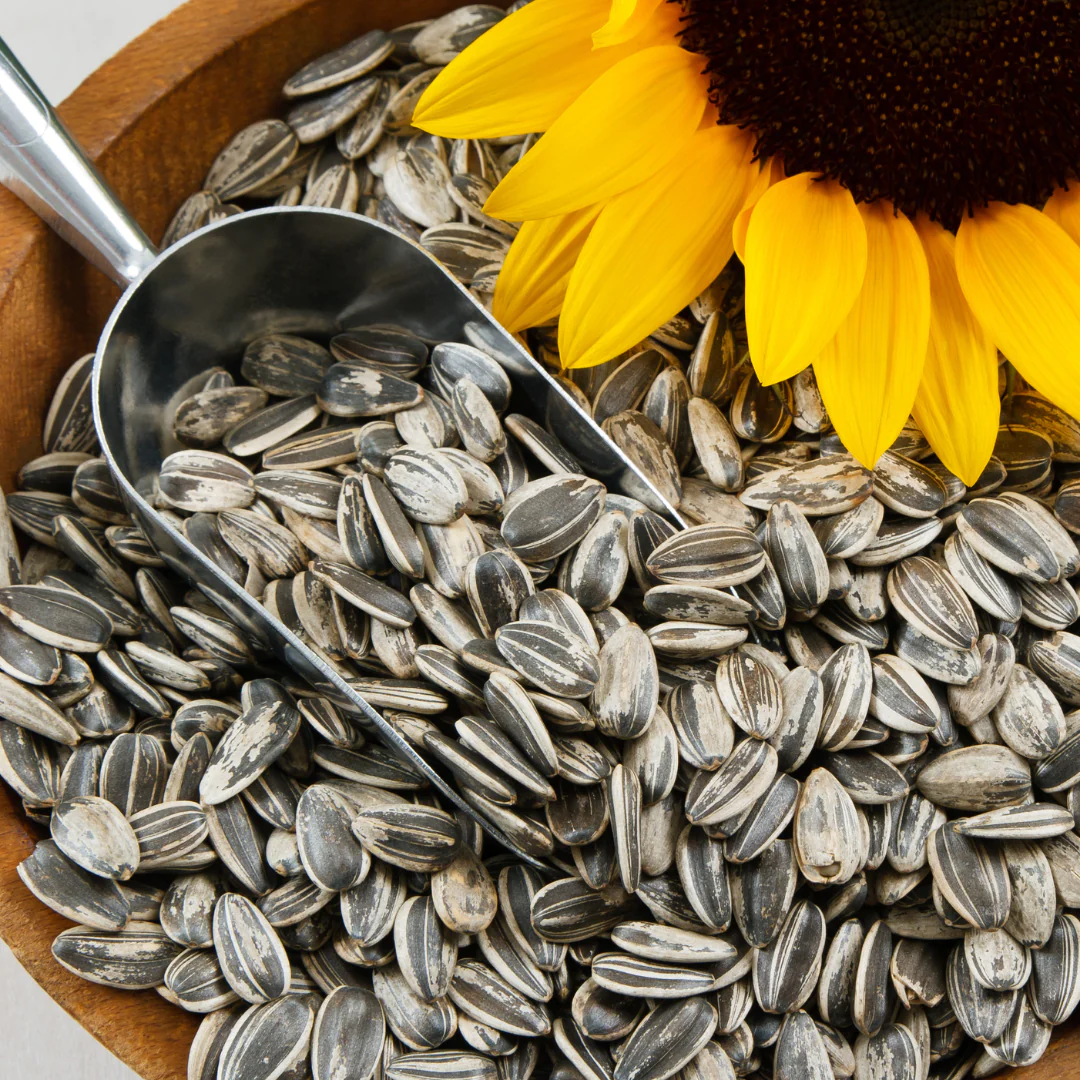
China pumpkin seeds and sunflower seeds represent significant agricultural commodities within the global food and oilseed industries. This technical guide details the critical aspects of these seeds, encompassing their botanical origins, processing techniques, quality control parameters, and potential applications. Both species, Cucurbita pepo (pumpkin) and Helianthus annuus (sunflower), are cultivated extensively across China, leveraging diverse agroclimatic zones. They are valued not only for direct consumption as snacks but also as sources of oil, protein, and micronutrients. Understanding the nuances of their composition, handling, and storage is paramount to maintaining quality and maximizing economic value. Within the supply chain, manufacturers and processors face increasing scrutiny regarding food safety, aflatoxin contamination, and adherence to international standards. This guide addresses these challenges, providing a comprehensive technical overview.
Material Science & Manufacturing
The primary constituents of both pumpkin and sunflower seeds are lipids (oils), proteins, carbohydrates, and fiber. Pumpkin seeds exhibit a higher protein content (~30%) and a unique lipid profile rich in linoleic and oleic acids. Sunflower seeds vary significantly in oil composition based on cultivar, ranging from high-oleic to high-linoleic varieties. The seed coat, or hull, provides a protective barrier composed primarily of cellulose and lignin. Manufacturing processes begin with harvesting and drying to reduce moisture content to approximately 8-10% to inhibit microbial growth and enzymatic activity. This is typically achieved through sun-drying or mechanical drying utilizing controlled temperature environments (typically below 60°C to prevent lipid oxidation). Dehulling is a critical step, often employing mechanical abrasion or impact methods. The efficiency of dehulling impacts seed yield and the presence of hull fragments, which affect product quality. Subsequent cleaning and grading stages remove foreign materials and sort seeds based on size and density. Roasting, a common processing technique, enhances flavor and texture. Roasting parameters (temperature, time, and airflow) are precisely controlled to prevent scorching and maintain optimal nutritional value. Oil extraction, typically via mechanical pressing or solvent extraction (hexane), follows for oilseed applications. Quality control at each stage is essential, with monitoring of moisture content, oil content, free fatty acid levels, and peroxide value being standard practice. Seed germination rate and viability are also monitored for seed intended for replanting.
Performance & Engineering
The performance of both pumpkin and sunflower seeds is largely defined by their structural integrity and biochemical composition. From an engineering standpoint, the seed coat's tensile strength and fracture toughness influence its resistance to cracking during processing and handling. Higher oil content generally correlates with reduced hardness. Moisture content significantly impacts seed durability; excessively dry seeds become brittle, while overly moist seeds are susceptible to microbial spoilage. The thermal stability of the oils is critical during roasting; oils with higher saturated fat content exhibit greater resistance to oxidation at elevated temperatures. Environmental resistance focuses on storage conditions. Oxygen permeability of packaging materials is a key factor in preventing rancidity. Maintaining low temperature (below 25°C) and humidity (below 65%) is crucial for long-term storage. Compliance requirements include adherence to food safety regulations (HACCP, GMP), pesticide residue limits (established by FAO and national authorities), and aflatoxin standards (detailed below). Functional implementation involves optimizing processing parameters to maximize oil yield, preserve nutritional content, and achieve desired sensory characteristics (flavor, texture, color). Force analysis is employed to determine the optimal settings for dehulling and pressing equipment, minimizing seed damage and maximizing efficiency.
Technical Specifications
| Parameter | Pumpkin Seeds (Average) | Sunflower Seeds (High Oleic) | Sunflower Seeds (High Linoleic) |
|---|---|---|---|
| Moisture Content (%) | 8-12 | 8-10 | 8-10 |
| Oil Content (%) | 49-55 | 42-48 | 38-45 |
| Protein Content (%) | 28-32 | 20-25 | 20-25 |
| Fiber Content (%) | 6-8 | 5-7 | 5-7 |
| Linoleic Acid (%) | 50-60 | 60-75 | 55-65 |
| Oleic Acid (%) | 20-30 | 15-25 | 10-20 |
Failure Mode & Maintenance
Failure modes in pumpkin and sunflower seeds typically fall into several categories: microbial contamination (primarily molds producing aflatoxins), insect infestation, lipid oxidation (rancidity), and physical damage (cracking, chipping). Aflatoxin contamination is a major concern, particularly in humid climates. Aspergillus flavus and Aspergillus parasiticus are the primary aflatoxin-producing fungi. Failure manifests as visible mold growth and detectable aflatoxin levels exceeding regulatory limits. Preventive measures include proper drying, storage in well-ventilated areas, and the use of antifungal treatments (where permitted). Insect infestation can lead to seed weight loss and quality degradation. Storage in airtight containers and the use of insecticidal treatments are common control methods. Lipid oxidation results in off-flavors and a decrease in nutritional value. Minimizing exposure to oxygen, light, and heat is critical. Packaging with oxygen barrier properties is essential. Physical damage can occur during processing (dehulling, roasting) or handling. Optimizing equipment settings and implementing careful handling procedures are necessary. Maintenance involves regular cleaning and sanitation of processing equipment, proper storage of seeds to prevent contamination, and routine monitoring of seed quality parameters (moisture content, oil content, aflatoxin levels). Proper inventory management (FIFO – First In, First Out) is also crucial to minimize storage time and reduce the risk of spoilage.
Industry FAQ
Q: What are the acceptable limits for aflatoxin contamination in pumpkin seeds destined for the European Union?
A: The European Union establishes a maximum limit of 2 µg/kg for total aflatoxins (B1, B2, G1, and G2) in pumpkin seeds intended for direct human consumption, as regulated by Commission Regulation (EC) No 1881/2006. Regular testing using methods like HPLC is required to ensure compliance.
Q: How does the oil content affect the shelf life of sunflower seeds?
A: Higher oil content generally correlates with a shorter shelf life due to the susceptibility of unsaturated fatty acids to oxidation. High-oleic sunflower seeds exhibit greater oxidative stability compared to high-linoleic varieties, resulting in extended shelf life.
Q: What are the key differences in dehulling techniques for pumpkin seeds versus sunflower seeds?
A: Pumpkin seeds typically require a more aggressive dehulling process due to their thicker, more irregular shell. Impact dehullers are commonly used. Sunflower seeds, with their thinner, more uniform hull, can be effectively dehulled using abrasion-based methods or a combination of impact and abrasion.
Q: What is the significance of the peroxide value in assessing sunflower seed oil quality?
A: The peroxide value (PV) is a measure of primary oxidation products (hydroperoxides) in the oil. A higher PV indicates greater oxidation and reduced oil quality. Typically, a PV below 10 meq O2/kg is considered acceptable for edible sunflower seed oil.
Q: How do storage temperature and humidity impact the quality of both seed types?
A: Lower temperatures and humidity levels significantly extend the shelf life of both pumpkin and sunflower seeds. Ideally, storage temperatures should be below 25°C and relative humidity below 65% to minimize microbial growth, enzymatic activity, and lipid oxidation. Fluctuations in temperature and humidity should be avoided.
Conclusion
China pumpkin seeds and sunflower seeds represent valuable agricultural products with diverse applications. Maintaining quality throughout the supply chain—from harvesting and processing to storage and distribution—requires a thorough understanding of their material properties, manufacturing processes, and potential failure modes. Precise control of parameters such as moisture content, temperature, and oxygen exposure are crucial to minimizing spoilage and ensuring compliance with stringent food safety regulations.
Future trends in the industry will likely focus on developing improved seed varieties with enhanced oil profiles and increased resistance to pests and diseases. Advancements in processing technologies, such as improved dehulling and oil extraction methods, will further enhance efficiency and product quality. Continued adherence to international standards and implementation of robust quality control systems will be essential for maintaining market access and consumer confidence.
