Introduction
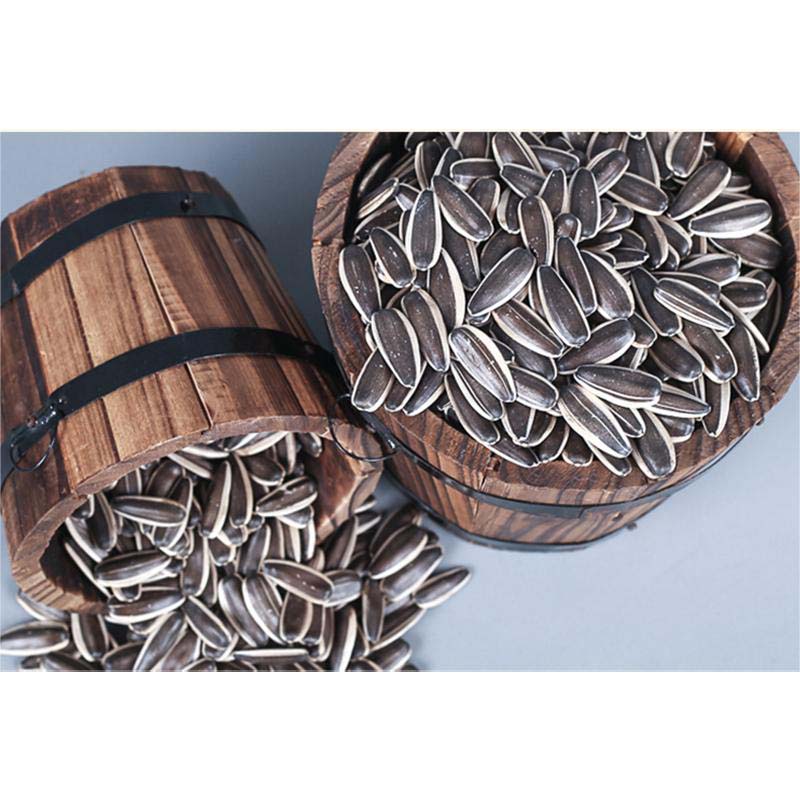
China procut sunflower seeds represent a significant segment of the global oilseed market, specifically positioned as a high-protein, nutritionally dense food source and increasingly, as a feedstock for industrial applications. These seeds are categorized based on kernel size, oil content, and intended use – confectionery, oil extraction, or feed. Their technical position within the agricultural supply chain involves multiple stages: cultivation, harvesting, drying, dehulling, grading, and processing. Core performance characteristics are defined by oil yield (%), protein content (%), moisture content (%), and levels of specific fatty acids (oleic, linoleic). A key industry pain point revolves around maintaining consistent quality across harvests, managing aflatoxin contamination, and optimizing oil extraction efficiency to meet stringent food safety and industrial purity standards. Variability in growing conditions and post-harvest handling significantly impacts these parameters, demanding robust quality control measures.
Material Science & Manufacturing
Sunflower seeds ( Helianthus annuus) are biologically composed of a hull (pericarp) comprising cellulose, hemicellulose, and lignin, and a kernel containing approximately 40-55% oil, 20-30% protein, and 10-20% carbohydrates. The oil is primarily composed of triglycerides, with varying ratios of linoleic, oleic, and palmitic acids influencing its stability and nutritional value. Manufacturing begins with seed selection focusing on genotype with desirable traits (high oleic, disease resistance). Harvesting is timed to minimize field losses, followed by drying to a moisture content of approximately 9-10% to prevent fungal growth and maintain seed viability. Dehulling is a critical step, typically employing mechanical abrasion or impact. Precise control of dehulling parameters (impact force, gap setting) is vital to minimize kernel damage and maximize oil yield. Grading classifies seeds based on size, shape, and visual defects. Oil extraction utilizes solvent extraction (hexane) or mechanical pressing (expelling). Solvent extraction achieves higher oil yield but necessitates rigorous solvent removal. Key parameters controlled throughout include temperature (drying, extraction), pressure (pressing), and solvent purity (extraction). Failure to control these leads to oxidative degradation, protein denaturation, and reduced oil quality.

Performance & Engineering
The performance of china procut sunflower seeds is heavily influenced by their physical and chemical properties. Force analysis during dehulling reveals that optimal hull separation requires balancing impact force against kernel fragility. Finite element analysis (FEA) can model this interaction to optimize dehuller design. Environmental resistance relates to storage stability. Seeds are susceptible to moisture absorption, leading to lipid oxidation and aflatoxin contamination (produced by Aspergillus species). Modified atmosphere packaging (MAP) with low oxygen permeability is employed to inhibit fungal growth. Compliance requirements include adherence to national and international food safety standards (e.g., FDA, EFSA), pesticide residue limits (e.g., Codex Alimentarius), and labeling regulations. Functional implementation focuses on oil extraction efficiency. Pressing relies on applying compressive force to rupture oil bodies within the kernel. Solvent extraction leverages the differential solubility of oil in hexane. Engineering advancements center on optimizing extraction parameters (temperature, solvent-to-seed ratio, extraction time) to maximize yield and minimize energy consumption. Aflatoxin mitigation is a paramount engineering challenge, involving pre-harvest agricultural practices, optimized drying, and post-harvest sorting techniques using optical sensors.
Technical Specifications
| Parameter | Unit | Specification (Standard Grade) | Specification (High Oleic Grade) |
|---|---|---|---|
| Oil Content | % (Dry Weight Basis) | 42 – 48 | 48 – 55 |
| Protein Content | % (Dry Weight Basis) | 18 – 24 | 18 – 24 |
| Moisture Content | % | ≤ 9.0 | ≤ 9.0 |
| Kernel Size (Screen Size) | mm | 10/64 inch (Typically) | 10/64 inch (Typically) |
| Free Fatty Acids (FFA) | % (Oleic Acid Basis) | ≤ 1.0 | ≤ 0.5 |
| Peroxide Value (PV) | meq O2/kg | ≤ 5.0 | ≤ 3.0 |
Failure Mode & Maintenance
Sunflower seeds are prone to several failure modes impacting quality and usability. Aflatoxin contamination is a critical failure, arising from fungal growth during storage under humid conditions. Prevention requires proper drying, storage in airtight containers, and periodic monitoring. Lipid oxidation leads to rancidity, reducing oil quality and nutritional value. This is accelerated by exposure to oxygen, light, and elevated temperatures. Antioxidant packaging and controlled storage are vital. Mechanical damage during dehulling or handling results in kernel breakage, reducing oil yield and increasing fines. Optimized dehuller settings and gentle handling procedures are necessary. Insect infestation can cause significant losses and contamination. Integrated pest management strategies and proper sanitation are essential. Maintenance involves regular cleaning and inspection of processing equipment (dehullers, dryers, extractors) to prevent build-up of seed debris and fungal spores. Storage facilities require ventilation and humidity control to maintain optimal conditions. Routine aflatoxin testing is crucial for ensuring product safety. Preventive maintenance schedules for extraction solvent recovery systems are also critical to ensure solvent purity and prevent environmental contamination.
Industry FAQ
Q: What are the key differences between conventional and high-oleic sunflower seeds, and how do these differences impact processing?
A: High-oleic sunflower seeds contain a significantly higher proportion of oleic acid (typically >70%) compared to linoleic acid in conventional varieties. This results in improved oxidative stability, longer shelf life, and superior flavor. During processing, high-oleic seeds require less refining due to lower levels of polyunsaturated fatty acids prone to oxidation. However, cold pressing high-oleic seeds can sometimes yield lower oil extraction rates, necessitating careful optimization of pressing parameters.
Q: How is aflatoxin contamination monitored and controlled throughout the sunflower seed supply chain?
A: Aflatoxin monitoring begins with pre-harvest assessments of field conditions and potential fungal risk. Post-harvest, seeds are visually inspected for signs of mold growth. Regular sampling and analysis using HPLC (High-Performance Liquid Chromatography) or ELISA (Enzyme-Linked Immunosorbent Assay) are performed to quantify aflatoxin levels. Strict adherence to drying protocols, proper storage in sealed containers, and the use of antifungal treatments (where permitted) are crucial control measures. Seed lots exceeding regulatory limits are rejected or re-processed.
Q: What is the impact of seed moisture content on oil extraction efficiency and quality?
A: Optimal moisture content for oil extraction is typically between 9-10%. Higher moisture levels increase microbial activity, accelerate lipid oxidation, and reduce oil yield. Lower moisture content can lead to kernel fracturing during mechanical pressing. Precise moisture control through proper drying and storage is therefore essential. Excessive moisture can also increase energy consumption during solvent extraction due to the need to evaporate additional water.
Q: What types of quality control measures are employed during the dehulling process?
A: Quality control during dehulling focuses on minimizing kernel damage and maximizing hull removal efficiency. Parameters monitored include impact force, gap setting, and feed rate. Optical sorting is employed to remove partially hulled seeds and foreign matter. Kernel damage is assessed by measuring the percentage of broken kernels and fines. Regular calibration and maintenance of dehulling equipment are essential to maintain consistent performance.
Q: What are the sustainability considerations associated with sunflower seed production and processing?
A: Sustainability considerations include minimizing water usage during irrigation, reducing pesticide and fertilizer application through integrated pest management and precision agriculture, and optimizing energy efficiency in processing facilities. Utilizing by-products from oil extraction (e.g., meal for animal feed) contributes to circular economy principles. Sustainable packaging materials and responsible waste management practices are also crucial elements.
Conclusion
China procut sunflower seeds, as a foundational component of the edible oil and increasingly, bio-industrial sectors, demand a rigorous understanding of their material properties, manufacturing processes, and performance characteristics. Maintaining consistent quality, particularly regarding aflatoxin control and oil stability, requires meticulous attention to detail throughout the entire supply chain – from seed selection and cultivation to processing and storage. The complexities of dehulling, oil extraction, and refining necessitate advanced engineering approaches and robust quality control protocols.
Future advancements will likely focus on developing sunflower varieties with enhanced oil content, improved disease resistance, and optimized fatty acid profiles. Further optimization of processing techniques, including supercritical fluid extraction and enzyme-assisted aqueous extraction, will aim to maximize oil yield and minimize environmental impact. Continued research into sustainable agricultural practices and innovative storage solutions will be critical for ensuring the long-term viability and sustainability of the sunflower seed industry.
