
Introduction
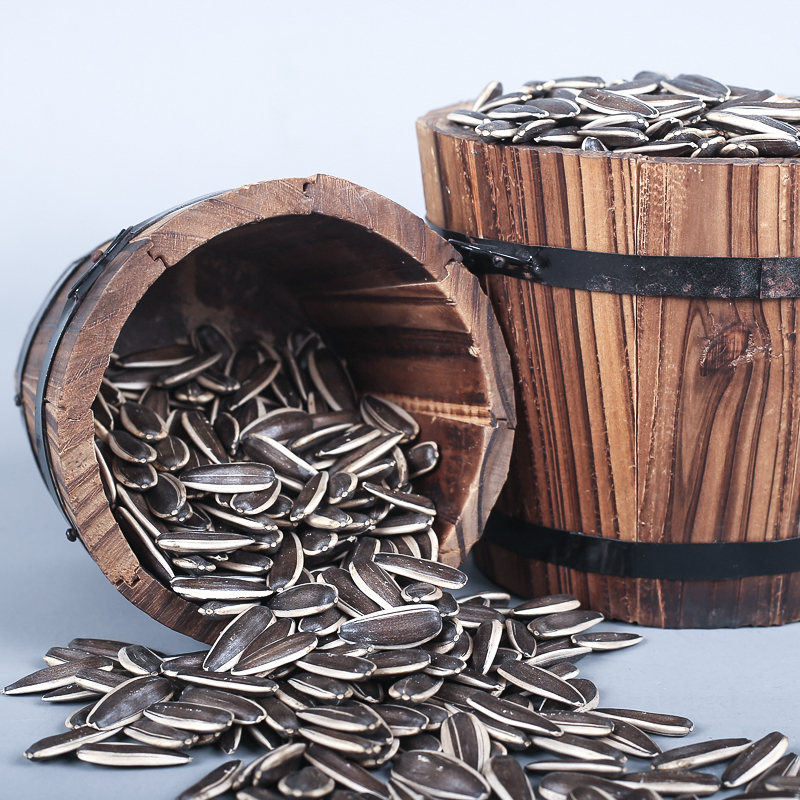
Sunflower seeds (Helianthus annuus) represent a globally significant oilseed crop and human food source. Within the context of international agricultural trade, “china price sunflower seeds” denotes the cost-competitive supply emanating from China, increasingly focusing on high-quality, processed kernels for direct consumption and industrial applications. These seeds are categorized based on size (hulled or in-shell), oil content, protein levels, and the presence or absence of confectionery traits (striping, larger kernel size). The technical position in the supply chain involves agricultural production, post-harvest processing (drying, dehulling, sorting, grading), and packaging. Core performance characteristics influencing market value include oil yield (typically 42-58%), protein content (20-25%), fatty acid profile (oleic, linoleic, palmitic, stearic), moisture content (≤10% for storage stability), and the absence of aflatoxins and other mycotoxins. Fluctuations in global vegetable oil markets, weather patterns in key growing regions, and logistical costs significantly impact the price competitiveness of Chinese sunflower seeds.
Material Science & Manufacturing
The primary raw material, sunflower seeds, comprises a seed coat (hull), kernel, and embryo. The hull consists of cellulose and lignin, providing structural rigidity. The kernel is rich in lipids (triglycerides), proteins (globulins, albumins), carbohydrates, and minor components like vitamins and minerals. Lipid composition varies with genetics and growing conditions; oleic acid content is particularly valued for its high smoke point and stability. Manufacturing begins with field harvesting and initial cleaning to remove debris. Drying is critical, employing forced-air systems to reduce moisture content to prevent fungal growth and maintain seed viability. Dehulling, either mechanical or pneumatic, separates the kernel from the hull. Kernel grading involves size and density separation. Processing to create confectionery seeds often includes surface coating for flavor and protection. Key parameters include drying temperature (≤45°C to prevent protein denaturation), dehulling impact force (optimized to minimize kernel damage), and sorting efficiency (using optical sensors for color and shape). Chemical compatibility during coating processes requires consideration of food-grade polymers and flavorings to avoid migration into the kernel.
Performance & Engineering
Performance metrics for sunflower seeds focus on storage stability, nutritional value, and processing efficiency. Moisture content is paramount; exceeding 10% leads to increased respiration rates, lipid oxidation (rancidity), and mycotoxin production. Force analysis during dehulling assesses the optimal impact energy required to separate the kernel without causing fracturing. Environmental resistance is primarily a concern during storage and transportation. Seeds are susceptible to insect infestation (e.g., storage beetles) and fungal growth in humid conditions. Controlled atmosphere storage (reducing oxygen levels) and proper packaging are employed to mitigate these risks. Compliance requirements include adherence to Maximum Residue Limits (MRLs) for pesticides, heavy metal limits (lead, cadmium), and aflatoxin regulations (typically ≤20 ppb as per FDA guidelines). Functional implementation hinges on the intended use. Confectionery seeds require uniform size and shape for automated packaging. Oil extraction necessitates seeds with high oil content and minimal free fatty acids (FFA) to maximize oil yield and quality.
Technical Specifications
| Parameter | Unit | Typical Range (China Price Sunflower Seeds) | Testing Method |
|---|---|---|---|
| Oil Content (Dry Basis) | % | 45-55 | Soxhlet Extraction (GB/T 5009.3) |
| Protein Content (Dry Basis) | % | 20-26 | Kjeldahl Method (GB/T 5009.5) |
| Moisture Content | % | ≤ 9.0 | Oven Drying (GB/T 5009.4) |
| Kernel Size (Diameter) | mm | 10-16 | Sieve Analysis |
| Free Fatty Acid (FFA) | % | ≤ 1.0 | Titration (GB/T 5009.8) |
| Aflatoxin B1 | ppb | ≤ 20 | HPLC (GB 5009.13) |
Failure Mode & Maintenance
Failure modes for sunflower seeds primarily relate to degradation during storage and transportation. Lipid oxidation, evidenced by rancidity (off-flavors and odors), is a major concern, accelerated by exposure to oxygen, light, and heat. This leads to a decrease in oil quality and nutritional value. Insect infestation causes physical damage to kernels and contamination with frass and insect parts. Fungal growth, particularly Aspergillus species, results in aflatoxin contamination, rendering the seeds unsafe for consumption. Physical damage during handling (cracking, chipping) reduces seed quality and increases susceptibility to moisture absorption and microbial attack. Maintenance strategies involve optimized storage conditions (low temperature, low humidity, dark environment), regular monitoring for insect and fungal activity, and implementation of effective pest control measures. Proper packaging using moisture-barrier films and oxygen absorbers extends shelf life. Periodic laboratory analysis for oil quality (peroxide value, FFA), aflatoxin levels, and insect damage is crucial for ensuring product integrity. For bulk storage, regular aeration prevents moisture buildup and temperature gradients.
Industry FAQ
Q: What factors contribute to the variability in oil content within Chinese sunflower seed offerings?
A: Oil content is significantly influenced by the sunflower variety (hybrid), growing region, and weather conditions during seed development. Genetics dictate the potential oil yield, but factors like temperature, rainfall, and sunlight exposure during maturation directly impact lipid accumulation within the kernel. Furthermore, harvesting time and post-harvest drying practices also play a role. Seeds harvested prematurely or improperly dried will exhibit lower oil content.
Q: How does the grading process for 'china price sunflower seeds' ensure consistent kernel size and quality?
A: Grading utilizes a combination of mechanical sizing (sieve separation) and optical sorting technologies. Sieve separation removes kernels that are significantly larger or smaller than the specified range. Optical sorting employs cameras and image processing algorithms to identify and remove defective kernels based on color, shape, and surface imperfections. This process adheres to national standards (GB standards) and often incorporates customer-specific requirements for kernel size uniformity.
Q: What are the typical aflatoxin control measures implemented by Chinese sunflower seed suppliers?
A: Aflatoxin control starts in the field with proper agronomic practices (managing drought stress, minimizing insect damage) and continues through post-harvest handling. Seed suppliers typically implement rigorous sampling and testing protocols throughout the entire process, using HPLC analysis to detect aflatoxin B1 levels. Seeds exceeding permissible limits are rejected or re-processed using physical or chemical detoxification methods (though physical sorting is preferred to avoid chemical residues). Storage facilities are regularly inspected for mold growth and pest infestations.
Q: What is the significance of the oleic/linoleic acid ratio in sunflower oil, and how does it impact the stability of 'china price sunflower seeds'?
A: The oleic/linoleic acid ratio is a crucial indicator of oil stability. High-oleic sunflower oil (HO sunflower oil), with a higher proportion of oleic acid, is more resistant to oxidation and has a longer shelf life compared to traditional linoleic sunflower oil. Higher oleic acid content reduces the rate of rancidity development, especially during storage and frying. ‘China price sunflower seeds’ are increasingly focusing on high-oleic varieties to meet market demand for stable, high-quality oil.
Q: Can you elaborate on the common packaging methods used for exporting 'china price sunflower seeds', and their impact on maintaining seed quality during transit?
A: Common packaging includes polypropylene (PP) woven bags with polyethylene (PE) liners, multi-layer paper bags with PE liners, and bulk containers (FIBCs). The PE liner provides a moisture barrier. Vacuum packaging or modified atmosphere packaging (MAP) using nitrogen flushing is also utilized to reduce oxygen levels and extend shelf life. Packaging is designed to protect against physical damage, moisture ingress, and insect infestation during transit. Proper labeling, including storage instructions and batch information, is also critical.
Conclusion
The ‘china price sunflower seeds’ market represents a complex interplay of agricultural practices, processing technologies, and quality control measures. Achieving consistent performance – defined by optimal oil content, minimal contamination, and prolonged storage stability – requires meticulous attention to detail at every stage of the supply chain. The increasing focus on high-oleic varieties, coupled with advancements in post-harvest handling and packaging, is driving improvements in product quality and competitiveness.
Future trends likely involve greater adoption of precision agriculture techniques to optimize yield and oil content, further refinement of optical sorting technologies for enhanced kernel quality, and development of more sustainable packaging solutions. Maintaining adherence to international food safety standards (FDA, EFSA) and proactively addressing emerging mycotoxin regulations will be critical for continued market access and building trust with global buyers.
