Introduction
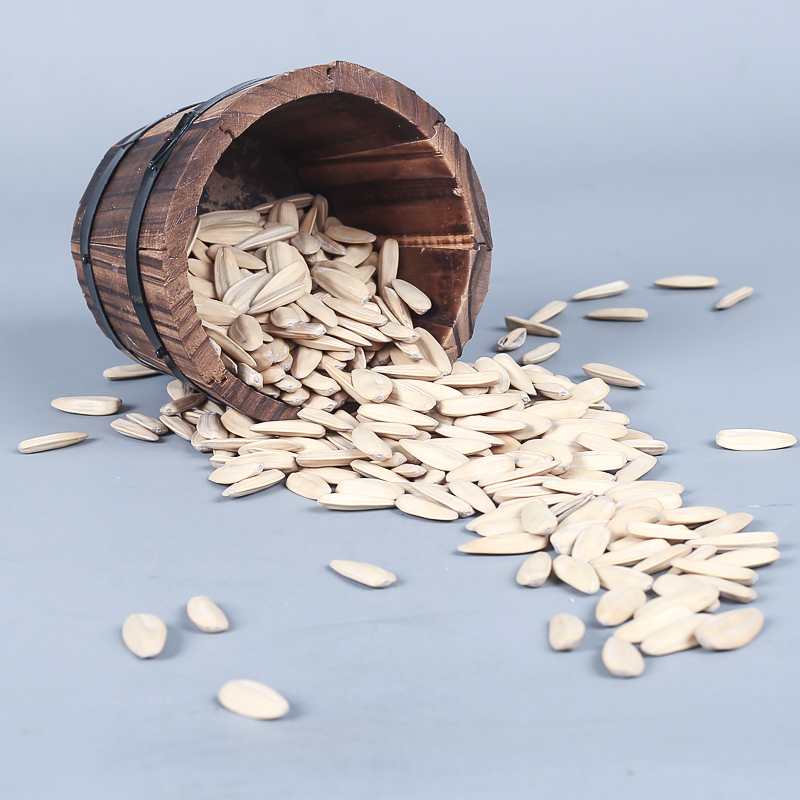
China price of melon seeds refers to the cost of various melon seed cultivars – including watermelon, cantaloupe, honeydew, and oriental melon varieties – sourced from Chinese agricultural producers and exporters. These seeds represent a significant component of the global horticulture industry, critical for propagation and agricultural yield. The pricing is influenced by factors ranging from cultivar demand (e.g., hybrid vs. open-pollinated), seed quality (germination rate, purity), processing standards, and prevailing market conditions within China, encompassing seasonal harvests and export logistics. Understanding the nuances of ‘china price of melon seeds’ requires consideration of the seed’s genetic purity, disease resistance characteristics, and conformity to international phytosanitary regulations. The agricultural industry faces constant pressure to optimize seed costs while ensuring consistent crop performance, making this a key economic driver for both producers and consumers.
Material Science & Manufacturing
Melon seed composition is fundamentally governed by botanical science. The seed coat (testa) consists primarily of cellulose and lignin, providing physical protection. Internally, the embryo relies on endosperm for nourishment, rich in starches, proteins, and lipids. Lipid composition is crucial; oil content, particularly linoleic and oleic acids, impacts seed viability and germination. Manufacturing begins with controlled pollination to achieve desired genetic traits. Harvesting typically occurs at physiological maturity, followed by drying to reduce moisture content (optimally around 8-10%) to prevent fungal growth and preserve viability. Cleaning and grading are essential processes, removing debris and categorizing seeds by size and weight. Seed treatment – involving fungicide and insecticide applications – is standard practice for disease prevention and pest control. Packaging utilizes moisture-resistant materials like aluminum foil laminates to maintain seed quality during storage and transport. Quality control focuses on germination rate testing (using standardized petri dish methods and temperature control), purity analysis (identifying weed seeds and off-types), and tetrazolium testing (assessing embryo viability). The manufacturing process impacts the ‘china price of melon seeds’ as efficiencies and quality control measures directly translate to lower costs and higher value.
Performance & Engineering
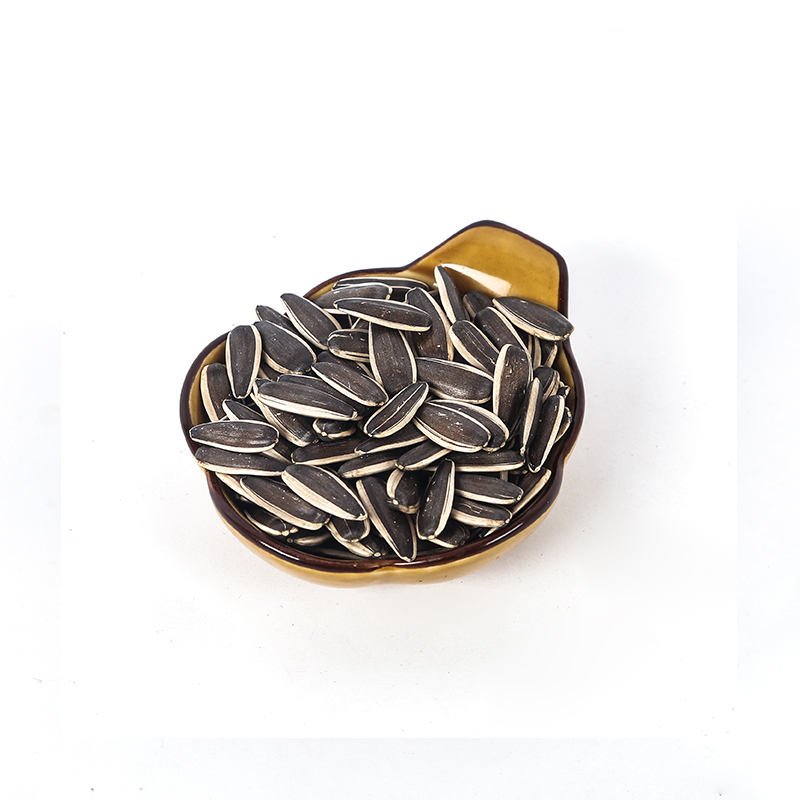
The performance of melon seeds is critically assessed by germination rate, seedling vigor, and subsequent plant yield. Germination rate is influenced by seed dormancy, temperature, moisture levels, and oxygen availability. Seed vigor, a measure of seedling growth potential, is determined through accelerated aging tests and cold germination tests. From an engineering perspective, seed drills and automated planting systems require seeds to exhibit consistent size and shape for reliable dispensing. The physical properties of the seed (sphericity, density, surface texture) affect flowability in these systems. Environmental resistance involves tolerance to temperature extremes, drought stress, and salinity. Hybrid varieties are engineered for improved disease resistance, utilizing gene editing and marker-assisted selection. Compliance requirements include adherence to the International Seed Testing Association (ISTA) standards for seed analysis, as well as phytosanitary certificates to prevent the spread of pests and diseases. The genetic stability and predictable performance of ‘china price of melon seeds’ are paramount for ensuring successful crop establishment and maximizing agricultural productivity. Seed coating technologies, utilizing polymers and micronutrients, further enhance performance and protect against environmental stresses.
Technical Specifications
| Cultivar | Germination Rate (%) | Purity (%) | Moisture Content (%) | Oil Content (%) | 1000-Seed Weight (g) |
|---|---|---|---|---|---|
| Watermelon (Crimson Sweet) | 92 | 98 | 7.5 | 45 | 280 |
| Cantaloupe (Netting) | 88 | 97 | 8.0 | 50 | 350 |
| Honeydew (White Ice) | 85 | 96 | 8.5 | 48 | 320 |
| Oriental Melon (Yubari King) | 90 | 99 | 7.0 | 55 | 400 |
| Hybrid Watermelon (Triploid) | 95 | 98 | 7.2 | 42 | 290 |
| Hybrid Cantaloupe (Disease Resistant) | 91 | 97 | 7.8 | 52 | 360 |
Failure Mode & Maintenance
Failure modes for melon seeds encompass several key areas. Physical damage during harvesting, processing, and transport can lead to seed coat cracking, reducing germination rate. Insect infestation (e.g., seed beetles) can compromise seed viability. Fungal contamination (e.g., Fusarium, Alternaria) results in seed decay and seedling damping-off. Storage conditions are critical; high humidity promotes fungal growth, while temperature fluctuations can reduce seed longevity. Genetic deterioration over time leads to decreased vigor and yield. Improper seed treatment can result in insufficient disease or pest protection. Maintenance involves careful seed drying, cleaning, and storage in cool, dry environments (ideally 4-10°C and 50-60% relative humidity). Regular monitoring for insect pests is essential. Seed testing should be conducted periodically to assess germination rate and viability. Implementing a robust seed traceability system allows for identifying and addressing potential quality issues. Seed coating with protective polymers and fungicides extends shelf life and enhances performance. Proper handling during sowing, avoiding mechanical damage, is also critical. Addressing these failure modes impacts the overall cost and reliability of ‘china price of melon seeds’.
Industry FAQ
Q: What factors contribute most significantly to price fluctuations in the China melon seed market?
A: Price fluctuations are primarily driven by seasonal availability, weather patterns impacting harvests, demand from major importing countries, and the overall economic climate in China. Hybrid seed varieties, offering superior yields and disease resistance, generally command higher prices than open-pollinated seeds. Export tariffs and transportation costs also contribute to price variability.
Q: How does the germination rate guarantee influence purchasing decisions for large-scale agricultural operations?
A: Germination rate is a critical purchasing criterion. Large-scale operations require consistently high germination rates (typically >85%) to minimize replanting costs and ensure uniform crop establishment. Suppliers offering germination guarantees provide a level of risk mitigation and assurance of seed quality.
Q: What phytosanitary regulations must ‘china price of melon seeds’ adhere to for export to the European Union?
A: Export to the EU requires strict adherence to EU phytosanitary regulations, including freedom from quarantine pests and diseases. Seeds must be accompanied by a phytosanitary certificate issued by an authorized Chinese inspection agency. Compliance with maximum residue levels (MRLs) for seed treatments is also essential.
Q: What is the role of hybrid vigor in justifying a higher price point for certain melon seed varieties?
A: Hybrid vigor (heterosis) refers to the superior performance of first-generation hybrid seeds compared to their parent lines. Hybrids typically exhibit increased yield, improved disease resistance, and enhanced adaptability to environmental stresses. These benefits justify a higher price point as they translate into greater profitability for farmers.
Q: What quality control measures are commonly employed during the processing of ‘china price of melon seeds’ to ensure purity and prevent contamination?
A: Common quality control measures include mechanical cleaning to remove debris, visual inspection for damaged or discolored seeds, seed treatment with fungicides and insecticides, and laboratory testing for germination rate, purity, and moisture content. Strict adherence to Good Seed Practices (GSP) is crucial for maintaining quality and preventing contamination.
Conclusion
The ‘china price of melon seeds’ is a complex metric determined by a confluence of botanical, agricultural, and economic factors. Seed quality, encompassing germination rate, purity, and genetic characteristics, is paramount for successful crop establishment and yield maximization. Understanding the manufacturing processes, from controlled pollination to seed treatment and storage, is crucial for maintaining seed viability and preventing failure modes. Adherence to international standards and phytosanitary regulations is essential for facilitating global trade.
Future trends will likely focus on the development of climate-resilient seed varieties, utilizing gene editing technologies to enhance drought tolerance and disease resistance. Increased demand for organic and sustainably produced seeds will drive innovation in seed treatment methods and packaging materials. Precise seed placement technologies, coupled with data-driven agricultural practices, will further optimize crop performance and minimize resource utilization. The continuing evolution of these factors will directly influence the dynamics of the ‘china price of melon seeds’ market.
