Introduction
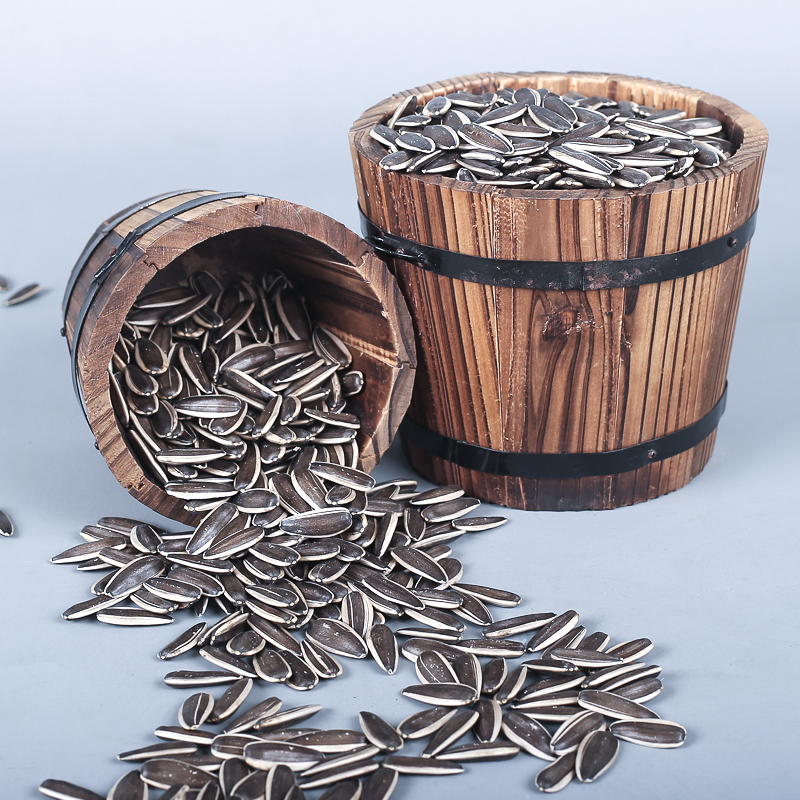
China premium grade sunflower seeds represent a significant component of the global edible seed market, exhibiting a complex interplay of agronomic practices, post-harvest processing, and quality control measures. These seeds are positioned within the food supply chain as both a direct consumer product – for snacking and cooking – and as a valuable input for oil extraction. This technical guide will detail the specific characteristics defining “premium grade,” analyzing the key performance indicators that differentiate these seeds from standard varieties. Core performance considerations center on oil content, protein levels, fatty acid profile, kernel size and integrity, moisture content, and the absence of mycotoxins and other contaminants. The industry currently faces challenges related to maintaining consistent quality across varying growing regions, mitigating the risk of aflatoxin contamination, and addressing consumer demand for traceable, sustainable sourcing. The premium designation signifies adherence to stringent quality thresholds, ensuring suitability for both direct consumption and high-yield oil processing.
Material Science & Manufacturing
Sunflower seeds, Helianthus annuus, are composed of a complex matrix of lipids (35-50%), proteins (20-25%), carbohydrates (15-20%), and fiber (5-10%), with trace amounts of vitamins and minerals. The hull (pericarp) provides structural protection and contains lignans with antioxidant properties. Kernel composition varies significantly depending on genotype and growing conditions. Premium grade seeds are typically derived from high-oleic, low-linolenic cultivars, prized for their oxidative stability and longer shelf life. Manufacturing begins with seed selection, often utilizing optical sorting to remove damaged, discolored, or immature seeds. Drying is crucial, typically employing a combination of natural sun-drying and controlled-temperature mechanical drying to achieve a moisture content of 6-8%, minimizing fungal growth. Hulling removes the outer pericarp, increasing the kernel’s oil yield and improving palatability. This process, often utilizing impact or abrasive methods, requires precise calibration to minimize kernel damage. Seed sizing and polishing further refine the product. Key parameter control involves continuous monitoring of moisture content throughout the drying process, maintaining hulling temperatures below 40°C to prevent protein denaturation, and ensuring rigorous sanitation protocols to minimize microbial contamination. Chemical compatibility is a concern during processing; avoidance of reactive metals is critical to prevent lipid oxidation. Seed coatings, when applied, must be food-grade and chemically inert.
Performance & Engineering
The performance of premium sunflower seeds is assessed based on several engineering principles. Force analysis during hulling determines the optimal impact energy required for efficient separation without kernel fracturing. The tensile strength of the kernel, influencing its resistance to cracking during processing and handling, is a critical factor. Environmental resistance considerations focus on maintaining seed viability during storage and transportation. Moisture ingress is a primary concern, requiring robust packaging materials with low water vapor transmission rates (WVTR). Temperature fluctuations accelerate lipid oxidation, necessitating temperature-controlled storage. Compliance requirements are dictated by national and international food safety regulations (detailed in Section 7). Functional implementation hinges on the seeds’ intended use: snacking demands desirable texture and flavor profiles, while oil extraction requires high oil content and efficient oil release. The fatty acid profile, specifically the oleic-to-linoleic acid ratio, significantly impacts oil quality and stability. Further, the seed’s resistance to sprouting during storage (determined by ethylene levels and applied post-harvest treatments) is essential for maintaining product quality over extended periods. Packaging design must account for mechanical stresses during transport, mitigating crushing and preventing kernel damage.
Technical Specifications
| Parameter | Unit | Premium Grade Specification | Standard Grade Specification |
|---|---|---|---|
| Oil Content (Dry Basis) | % | ≥ 50 | 45-50 |
| Protein Content (Dry Basis) | % | ≥ 22 | 20-22 |
| Moisture Content | % | ≤ 7 | ≤ 9 |
| Kernel Integrity (Damaged Kernels) | % | ≤ 2 | ≤ 5 |
| Aflatoxin B1 | ppb | ≤ 2 | ≤ 20 |
| Oleic Acid Content | % of Total Fatty Acids | ≥ 70 | 60-70 |
Failure Mode & Maintenance
Failure modes in premium sunflower seeds primarily manifest as quality degradation during storage and transportation. Lipid oxidation, leading to rancidity, is a major concern, accelerated by exposure to oxygen, light, and elevated temperatures. This process is initiated by free radical formation and results in off-flavors and reduced nutritional value. Mycotoxin contamination, particularly aflatoxin B1 produced by Aspergillus species, is a significant safety hazard. This is exacerbated by inadequate drying and storage conditions. Physical damage to kernels – cracking, chipping, or abrasion – occurs during handling and processing, reducing market value and increasing susceptibility to microbial attack. Delamination of the kernel's cotyledons can also occur, affecting oil extraction efficiency. Maintenance strategies involve rigorous quality control throughout the supply chain, including proper drying, hermetic storage in low-humidity environments, and the use of antioxidant packaging materials. Regular monitoring for aflatoxin contamination is essential. Inventory rotation (first-in, first-out) minimizes storage duration. Preventative maintenance of processing equipment – hullers, sorters, and dryers – reduces physical damage. Effective pest control measures prevent insect infestation, which can contribute to seed spoilage and mycotoxin production.
Industry FAQ
Q: What is the critical moisture content threshold for preventing aflatoxin contamination in sunflower seeds?
A: Maintaining a moisture content below 7% is critical. Aspergillus species, the primary producer of aflatoxins, require a water activity (Aw) of at least 0.81 for growth, which corresponds to a moisture content of approximately 8-9% in sunflower seeds. Rapid and thorough drying immediately after harvest is therefore essential.
Q: How does the fatty acid profile impact the shelf life of sunflower oil derived from these seeds?
A: High-oleic acid content significantly enhances shelf life. Oleic acid is a monounsaturated fatty acid that is more resistant to oxidation than polyunsaturated fatty acids like linoleic and linolenic acids. Seeds with an oleic acid content of 70% or higher yield oils with superior oxidative stability, reducing rancidity and preserving flavor.
Q: What optical sorting technologies are employed to identify and remove defective seeds?
A: Color sorting, size sorting, and shape sorting are commonly used. Advanced systems utilize near-infrared (NIR) spectroscopy to detect internal defects, such as damaged oil bodies or fungal contamination, which are not visible to the naked eye. These systems can accurately identify and remove seeds based on subtle variations in spectral reflectance.
Q: What packaging materials are recommended for long-term storage of premium sunflower seeds?
A: Hermetically sealed multi-layer films with low oxygen and water vapor permeability are recommended. Materials like metallized polyester or aluminum foil laminates provide an effective barrier against oxygen ingress and moisture absorption. Modified atmosphere packaging (MAP) with nitrogen flushing can further extend shelf life by displacing oxygen.
Q: How are hulling parameters optimized to minimize kernel damage while maximizing hull removal efficiency?
A: Hulling parameters, including impact velocity, abrasion pressure, and feed rate, are optimized based on seed variety and moisture content. Controlling these parameters minimizes kernel fracture and breakage. Regular inspection of hulling equipment and adjustment of settings are essential for maintaining optimal performance. Gradual increases in hulling intensity are preferred to prevent sudden shocks.
Conclusion
China premium grade sunflower seeds represent a carefully managed agricultural product, requiring meticulous attention to detail throughout the entire production chain. The quality designation isn’t merely cosmetic; it reflects quantifiable differences in oil content, protein levels, fatty acid profiles, and the absence of harmful contaminants. The manufacturing processes, from seed selection and drying to hulling and packaging, are engineered to preserve the seed’s inherent nutritional value and extend its shelf life. Adherence to stringent quality control measures and international standards is paramount.
Future trends in this sector will likely focus on enhanced traceability systems leveraging blockchain technology, the development of even more robust mycotoxin detection methods, and the implementation of sustainable agricultural practices that minimize environmental impact. Continued research into improved cultivars with enhanced oil quality and disease resistance will further elevate the standards for premium grade sunflower seeds, cementing their position as a valuable commodity in the global food market.
