Introduction
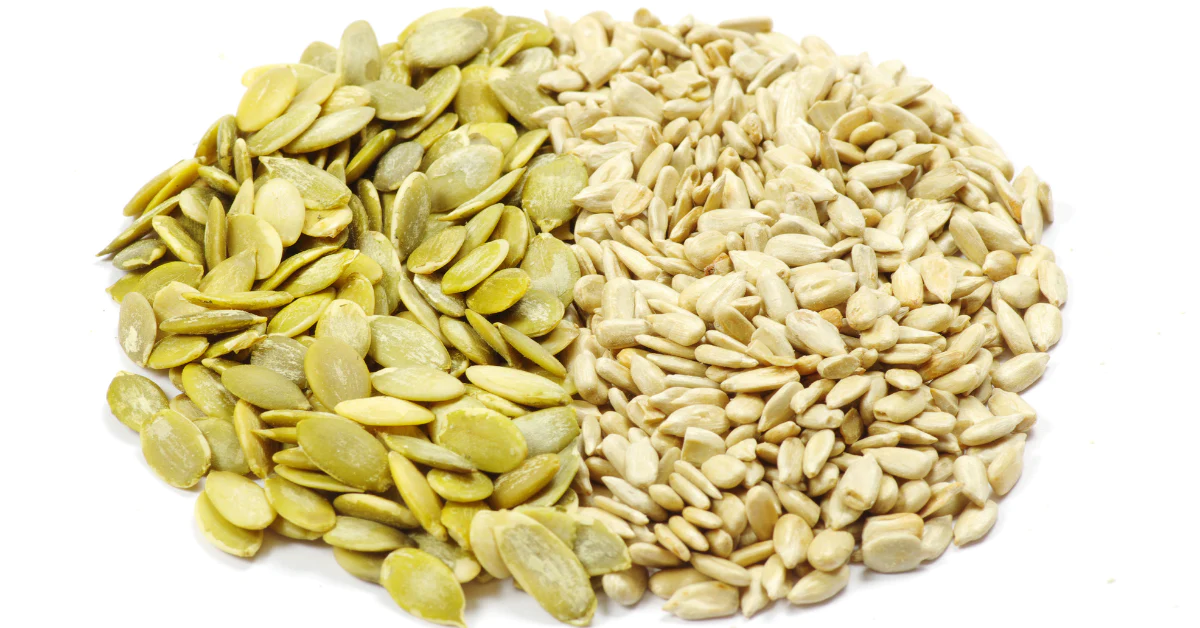
China pepper flavored sunflower seeds represent a significant segment within the broader snack food industry, positioned as a processed agricultural product with a specific flavor profile targeting a considerable consumer base, particularly in Asia and increasingly in Western markets. These seeds, derived from Helianthus annuus, undergo a series of processing stages including selection, dehulling, roasting, and flavoring to achieve their final form. Their technical position within the supply chain spans agricultural production, food processing technology, flavor chemistry, and packaging science. Core performance characteristics are defined by seed quality (oil content, kernel size, protein levels), flavor adhesion and stability, shelf life, and compliance with food safety regulations. The industry faces key pain points relating to raw material sourcing consistency, maintaining flavor intensity and uniformity during mass production, minimizing acrylamide formation during roasting, and ensuring effective barrier packaging to prevent rancidity and maintain crispness.
Material Science & Manufacturing
The primary raw material, sunflower kernels, exhibits varying oil content (42-58% by weight) and protein composition (18-25%) dependent on cultivar and growing conditions. Kernel density (approximately 800-900 kg/m3) influences roasting efficiency and final product texture. The china pepper flavoring is a complex mixture typically comprising chili powder (primarily Capsicum annuum and Capsicum chinense species), salt (NaCl), sugar (sucrose, dextrose), and various flavor enhancers (monosodium glutamate, disodium inosinate, disodium guanylate). Manufacturing begins with kernel cleaning and grading, followed by dehulling. Dehulling efficiency is critical; residual hull fragments negatively impact product aesthetics and mouthfeel. Roasting, conducted at temperatures between 140-180°C, develops characteristic flavor compounds via Maillard reactions and caramelization. Roasting time and temperature are tightly controlled to minimize acrylamide formation, a recognized food safety concern. Flavor application involves tumbling the roasted kernels with a slurry of the china pepper seasoning, followed by drying to ensure adhesion. Drying parameters (temperature, airflow, humidity) are crucial for achieving consistent flavor distribution without inducing brittleness. Packaging, generally employing multi-layer flexible films, serves to protect against moisture ingress, oxygen exposure, and light, all of which contribute to flavor degradation and rancidity.
Performance & Engineering
Performance analysis centers on several key factors. Firstly, shear force required to crack a seed provides a metric for assessing optimal roasting and moisture content. Excessive force indicates under-roasting or high moisture; insufficient force suggests over-roasting and brittleness. Flavor adhesion strength, measured via solvent extraction and subsequent quantification of chili compounds, dictates flavor intensity and retention during handling and consumption. Environmental resistance is paramount for shelf life. Water activity (aw), typically maintained below 0.6, inhibits microbial growth and enzymatic activity. Oxygen transmission rate (OTR) through the packaging material must be minimized to prevent lipid oxidation and rancidity. Light exposure, particularly UV radiation, degrades color and flavor compounds; therefore, opaque packaging is preferred. Compliance requirements include adherence to national and international food safety standards (e.g., FDA regulations in the US, EFSA regulations in Europe, and GB standards in China), including limits on heavy metal contamination, pesticide residues, and acrylamide levels. Furthermore, packaging materials must comply with regulations pertaining to food contact materials (e.g., EU Regulation No 1935/2004).
Technical Specifications
| Parameter | Unit | Specification | Test Method |
|---|---|---|---|
| Moisture Content | % (w/w) | ≤ 6.0 | AOAC 925.10 |
| Oil Content | % (w/w) | 48 – 54 | SOXTEC Method |
| China Pepper Flavor Intensity | Scoville Heat Units (SHU) | 2000 – 5000 | HPLC-DAD |
| Water Activity (aw) | - | ≤ 0.6 | Water Activity Meter |
| Acrylamide Content | µg/kg | ≤ 100 | GC-MS |
| Oxygen Transmission Rate (OTR) | cm3/m2/day | ≤ 5 | ASTM D3985 |
Failure Mode & Maintenance
Common failure modes include flavor degradation (loss of china pepper intensity due to oxidation or volatilization), rancidity (resulting from lipid oxidation), seed brittleness (caused by over-roasting or low moisture content), and packaging failure (compromised barrier properties leading to moisture ingress or oxygen exposure). Failure analysis reveals that rancidity is often initiated by residual linoleic acid within the sunflower oil, accelerating lipid peroxidation. Brittleness can be linked to excessive Maillard reaction products forming brittle structures. Flavor loss frequently correlates with inadequate packaging permeability control. Maintenance, in a production context, focuses on preventative measures. This includes rigorous raw material quality control (assessment of kernel oil content and freshness), precise control of roasting parameters (temperature, time, airflow), meticulous flavor application procedures, and the selection of high-barrier packaging materials. Storage recommendations emphasize cool, dry conditions away from direct sunlight to minimize degradation. Regular monitoring of sensory attributes (flavor intensity, aroma) and chemical parameters (peroxide value, acidity) during shelf life studies is essential to proactively identify and address potential quality issues. Regular cleaning and maintenance of roasting and flavoring equipment also prevents cross-contamination and ensures consistent product quality.
Industry FAQ
Q: What is the primary cause of flavor fade in china pepper flavored sunflower seeds, and how can it be mitigated?
A: The primary cause of flavor fade is the volatilization of volatile aroma compounds within the china pepper seasoning and oxidation of flavor components. Mitigation strategies include using a higher concentration of flavor initially, employing encapsulation techniques to protect volatile compounds, selecting packaging with excellent barrier properties (low OTR and moisture vapor transmission rate – MVTR), and incorporating antioxidants into the seasoning blend (e.g., tocopherols).
Q: How do you control acrylamide formation during the roasting process?
A: Acrylamide formation is minimized by controlling roasting temperature and time. Lower roasting temperatures (within the 140-180°C range) and shorter roasting durations reduce acrylamide precursors’ reaction. Reducing the free asparagine content in the sunflower kernels through pre-treatment or sourcing lower-asparagine cultivars can also be effective. Proper air circulation during roasting is also important.
Q: What packaging materials are best suited for extending the shelf life of these seeds?
A: Multi-layer flexible films composed of polypropylene (PP), polyethylene (PE), and ethylene-vinyl alcohol (EVOH) are commonly employed. EVOH provides an excellent oxygen barrier, while PP and PE offer moisture resistance and mechanical strength. Metallization further enhances barrier properties. The specific film structure is tailored based on the desired shelf life and distribution conditions.
Q: What are the critical quality control parameters for incoming sunflower kernels?
A: Critical parameters include oil content, moisture content, kernel size, foreign material content, and the presence of damaged or discolored kernels. Mycotoxin levels (aflatoxins) must also be rigorously monitored. These parameters directly influence the quality and flavor of the finished product.
Q: How do you ensure consistent flavor application across large production batches?
A: Consistent flavor application is achieved through precise metering of the seasoning slurry, uniform tumbling of the kernels during flavoring, and controlled drying parameters. Automated systems with feedback control loops are crucial. Regular sampling and sensory evaluation throughout the process ensure flavor uniformity.
Conclusion
China pepper flavored sunflower seeds represent a complex food product where seemingly simple processing steps require precise scientific and engineering control. Maintaining consistent seed quality, optimizing roasting parameters to balance flavor development and acrylamide mitigation, ensuring robust flavor adhesion, and employing appropriate packaging technologies are all critical for delivering a high-quality, shelf-stable product. The interplay between material science (kernel composition, seasoning chemistry) and manufacturing processes dictates overall performance and consumer acceptance.
Future developments in this sector will likely focus on innovative encapsulation techniques for enhanced flavor retention, the exploration of alternative, healthier seasoning formulations, and the adoption of sustainable packaging solutions. Continued research into optimizing roasting profiles to minimize acrylamide formation without compromising flavor will remain a paramount objective. Furthermore, advancements in automated quality control systems, leveraging machine vision and spectral analysis, will enable more efficient and accurate monitoring of key product attributes, further improving consistency and reducing waste.
