Introduction
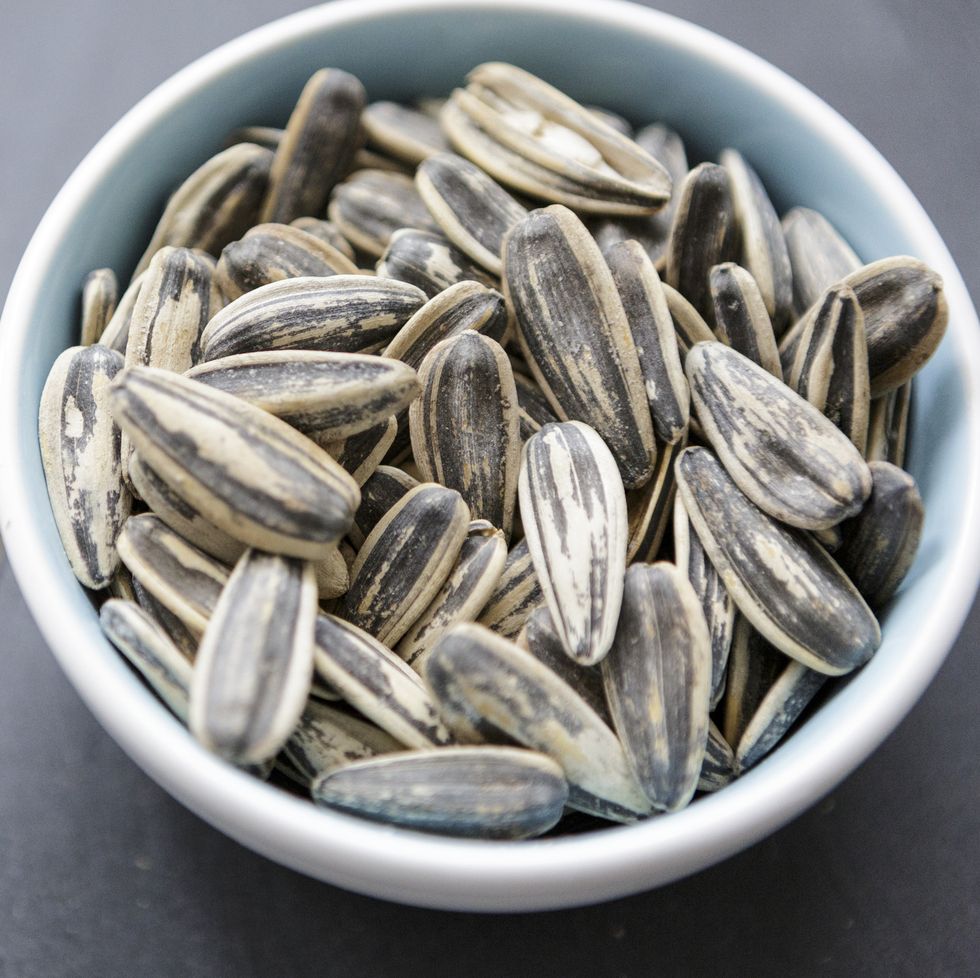
China peach flavor sunflower seeds represent a significant segment within the broader processed seed market, categorized as a flavored snack food. Technically, these seeds originate from Helianthus annuus varieties specifically bred for large kernel size and oil content, subsequently undergoing a multi-stage processing sequence. The core functionality is provision of a palatable, high-energy snack with moderate shelf-stability. Their position in the supply chain extends from agricultural cultivation through post-harvest processing, flavoring application, packaging, and ultimately, retail distribution. Key performance indicators revolve around seed integrity (minimizing cracked or damaged kernels), consistent flavoring adhesion, and the maintenance of acceptable moisture levels to prevent rancidity. The global demand for flavored seeds, especially within Asian markets, necessitates adherence to stringent food safety standards and efficient production methodologies. A primary industry pain point centers on maintaining consistent flavor profiles across batches while mitigating the risks associated with aflatoxin contamination and acrylamide formation during roasting.
Material Science & Manufacturing
The foundational material, the sunflower seed kernel, is composed primarily of lipids (40-50% by weight), protein (20-25%), carbohydrates (15-20%), and moisture (5-10%). The lipid component is rich in linoleic acid, an omega-6 fatty acid susceptible to oxidation. The seed coat, a protective layer, is composed of cellulose, lignin, and various phenolic compounds. The “peach flavor” is achieved through a combination of artificial and natural flavoring agents, typically comprising organic acids (citric, malic), sugars (dextrose, sucrose), and flavor compounds such as benzaldehyde (contributing to the almond-like peach aroma). Manufacturing begins with de-hulling and winnowing to remove the outer husk. Kernels are graded based on size and quality. The subsequent roasting process is critical; temperatures typically range between 120-150°C. Roasting parameters – temperature, duration, and airflow – must be meticulously controlled to optimize flavor development and minimize acrylamide formation. Following roasting, a seasoning slurry, containing the peach flavoring, salt, and potentially a coating agent (e.g., maltodextrin for adhesion), is applied via a rotating drum or fluidized bed coater. Precise control of slurry viscosity and spray rate are paramount for uniform flavor distribution. Finally, the seasoned seeds undergo cooling and are packaged in moisture-barrier films (typically polypropylene or polyethylene-based laminates) to extend shelf life.
Performance & Engineering
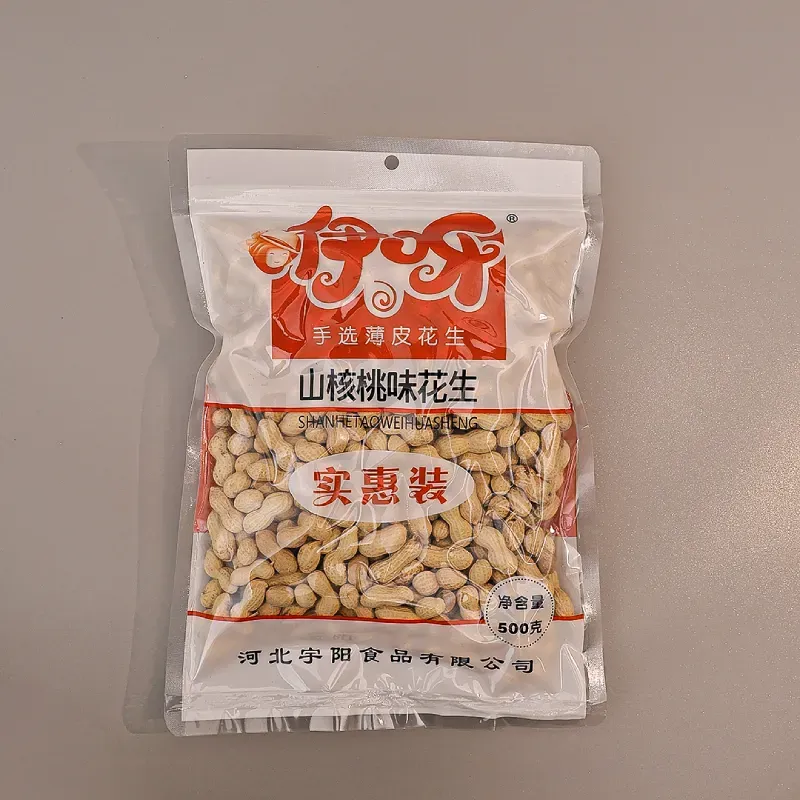
The structural integrity of the seed kernel is paramount to consumer acceptance. Force analysis during handling (e.g., packaging, transport) reveals that kernels can withstand compressive forces up to approximately 15-20 MPa before fracturing. However, this strength diminishes with increasing moisture content. Environmental resistance is primarily concerned with preventing oxidative rancidity of the lipids. The rate of oxidation is accelerated by exposure to oxygen, light, and elevated temperatures. Packaging material selection, as described above, is therefore crucial. Flavor adhesion is a key engineering challenge. The coating must possess sufficient tensile strength to withstand abrasion during handling and maintain a consistent flavor release profile. Compliance requirements vary by geographic region but generally include adherence to food safety standards (e.g., FDA regulations in the US, EFSA regulations in Europe) regarding permissible flavoring agents, heavy metal content, and microbial contamination. Furthermore, labeling regulations mandate accurate nutritional information and allergen declarations. The peach flavoring itself must meet purity standards, with limits on potentially harmful byproducts. Moisture content, typically maintained below 8%, directly impacts shelf life and susceptibility to microbial growth. Effective process control and packaging integrity are essential to meeting these compliance benchmarks.
Technical Specifications
| Parameter | Unit | Specification | Test Method |
|---|---|---|---|
| Moisture Content | % w/w | ≤ 8.0 | Karl Fischer Titration (GB/T 5005-2008) |
| Oil Content | % w/w | ≥ 45.0 | Soxhlet Extraction (GB/T 5006-2008) |
| Kernel Damage (Broken/Cracked) | % w/w | ≤ 3.0 | Visual Inspection (GB/T 5007-2008) |
| Peach Flavor Intensity | Arbitrary Units | 80-120 (Standard Solution Comparison) | Gas Chromatography-Mass Spectrometry (GC-MS) |
| Aflatoxin B1 | µg/kg | ≤ 2.0 | ELISA (EN 16215:2012) |
| Peroxide Value (Indicator of Rancidity) | meq O2/kg | ≤ 5.0 | Titration (GB/T 38630-2010) |
Failure Mode & Maintenance
Common failure modes for china peach flavor sunflower seeds include rancidity due to lipid oxidation, flavor degradation resulting from volatilization of aroma compounds, and physical damage leading to kernel breakage. Rancidity is accelerated by prolonged exposure to oxygen, light, and heat. Flavor degradation occurs over time, particularly under improper storage conditions (high temperature, exposure to air). Physical damage can occur during handling, transportation, or packaging. Aflatoxin contamination, while preventable through rigorous quality control of raw materials, represents a serious food safety hazard. Maintenance (preventative measures) focuses on maintaining optimal storage conditions: cool temperatures (below 25°C), low humidity, and protection from light. Packaging integrity is crucial; compromised packaging allows oxygen and moisture ingress. Regular monitoring of peroxide value and flavor intensity can detect early signs of degradation. For large-scale storage facilities, controlled atmosphere storage (reducing oxygen levels) may be employed. Implementing a robust HACCP (Hazard Analysis and Critical Control Points) system is vital to prevent aflatoxin contamination. Furthermore, routine inspections of processing equipment and adherence to strict cleaning protocols minimize the risk of microbial contamination. Corrective actions include discarding compromised batches and reviewing process controls to identify and address root causes of failure.
Industry FAQ
Q: What are the key considerations for mitigating acrylamide formation during the roasting process?
A: Acrylamide formation is primarily influenced by roasting temperature, moisture content, and the presence of reducing sugars. Lowering roasting temperatures (within acceptable flavor development parameters), controlling initial moisture content (optimizing pre-treatment processes), and potentially utilizing asparaginase enzymes to reduce asparagine levels (a precursor to acrylamide) are effective strategies.
Q: How does the selection of packaging material impact shelf life and flavor retention?
A: Packaging material with low oxygen transmission rate (OTR) and low water vapor transmission rate (WVTR) is essential. Multi-layer laminates combining polypropylene or polyethylene with aluminum foil or metallized films provide optimal barrier properties. Proper sealing techniques are also critical to prevent oxygen ingress.
Q: What quality control measures are necessary to ensure consistent flavor profile across different production batches?
A: Strict control of flavoring agent concentrations, thorough mixing during coating application, and regular sensory evaluation (taste panels) are crucial. GC-MS analysis can be used to quantitatively assess flavor compound concentrations and ensure consistency. Calibration of coating equipment is essential.
Q: What are the regulatory requirements for labeling peach-flavored sunflower seeds in the European Union?
A: EU regulations (Regulation (EU) No 1169/2011) require detailed ingredient lists, allergen declarations (if applicable), nutritional information, and country of origin labeling. Flavoring agents must be listed, and any potentially allergenic components must be clearly identified.
Q: How important is the control of seed size and uniformity in the manufacturing process?
A: Seed size and uniformity significantly impact coating consistency and roasting uniformity. Larger size variations can lead to uneven flavor distribution and inconsistent roasting. Grading and sorting procedures are critical to ensure a relatively homogenous seed population before processing.
Conclusion
China peach flavor sunflower seeds, while appearing simple, involve a complex interplay of material science, process engineering, and quality control. The inherent instability of lipids necessitates careful control of oxidation and moisture levels, while maintaining an appealing flavor profile demands precise application and retention of flavoring compounds. Consistent seed quality, rigorous adherence to food safety standards, and optimized packaging solutions are essential for delivering a safe, palatable, and shelf-stable product.
Future developments may focus on exploring novel coating technologies to enhance flavor adhesion and reduce sugar content, as well as the implementation of real-time process monitoring systems to optimize roasting parameters and minimize acrylamide formation. Furthermore, sustainable sourcing of sunflower seeds and environmentally friendly packaging materials will become increasingly important considerations.
