Introduction
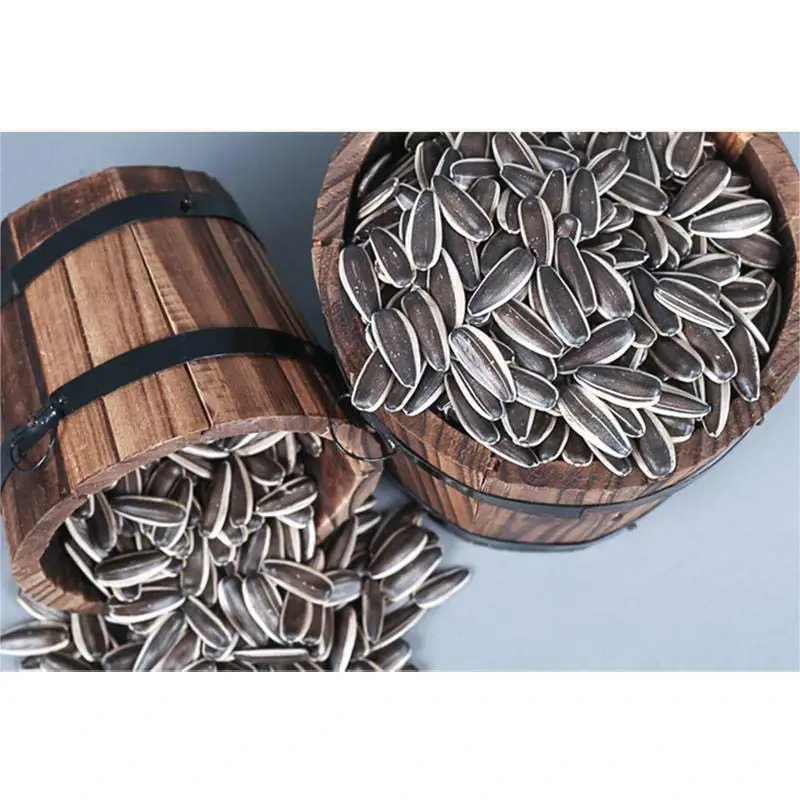
China original sunflower seeds, encompassing a diverse range of Helianthus annuus cultivars, represent a significant agricultural commodity within the global oilseed and snack food industries. Their position in the supply chain extends from agricultural production, processing (dehulling, grading, drying), and ultimately, consumption as both whole seeds for direct consumption and as a source material for sunflower oil. Core performance characteristics critical to the industry include oil content, kernel size, protein content, and freedom from defects (e.g., broken kernels, insect damage, mold). A key industry pain point centers around maintaining consistent seed quality across varying growing seasons and geographical regions within China, particularly concerning aflatoxin contamination and ensuring compliance with international food safety standards. Furthermore, optimizing harvesting and drying processes to minimize seed damage and preserve oil quality is a continuous challenge for producers.
Material Science & Manufacturing
Sunflower seeds are composed primarily of oil (35-55%), protein (18-25%), carbohydrates (10-20%), and fiber (5-10%). The oil consists largely of linoleic acid (an omega-6 fatty acid), oleic acid (an omega-9 fatty acid), and palmitic acid. The shell (hull) is composed of cellulose, hemicellulose, and lignin, providing structural integrity. Manufacturing begins with seed selection – choosing high-yielding, disease-resistant varieties. Cultivation requires specific soil conditions (well-drained loam) and climate (sufficient sunlight and rainfall). Harvesting is typically mechanical, utilizing combine harvesters. Post-harvest processing is crucial. Cleaning removes debris (stems, leaves, stones). Dehulling separates the kernel from the shell, utilizing impact or friction methods. Proper drying, typically employing forced-air systems, reduces moisture content to approximately 8-10% to prevent fungal growth and rancidity. Parameter control during drying is paramount: temperature (maintained below 50°C to avoid oil degradation) and airflow rate are critical. Seed grading based on size and weight ensures uniformity for further processing or direct consumption. Chemical compatibility during processing necessitates using food-grade lubricants and cleaning agents to prevent contamination.
Performance & Engineering
Performance evaluation focuses on several key engineering properties. The tensile strength of the seed hull is important for withstanding mechanical stress during harvesting and processing. Impact resistance determines the kernel’s ability to survive dehulling without fracturing. Thermal conductivity influences drying efficiency. Moisture sorption isotherms define the relationship between moisture content and water activity, impacting storage stability. Environmental resistance is largely determined by the seed coat's ability to protect the kernel from oxygen, light, and moisture. Compliance with food safety regulations (detailed in Section 7) dictates permissible levels of contaminants (aflatoxins, heavy metals). Functional implementation – whether for oil extraction or direct consumption – demands specific kernel characteristics. Oil yield is optimized by maximizing oil body size within the kernel. Snack food applications require specific kernel size and texture for optimal mouthfeel. Force analysis during dehulling reveals optimal impact parameters for maximizing kernel recovery while minimizing damage. Shelf life is engineered through proper drying, packaging (barrier properties against oxygen and moisture), and storage conditions (temperature control).
Technical Specifications
| Parameter | Unit | Typical Range (China Origin) | Test Method |
|---|---|---|---|
| Oil Content | % (Dry Basis) | 42-58 | AOAC Official Method 985.05 |
| Kernel Size (Diameter) | mm | 8-12 | Sieve Analysis (ASTM E11) |
| Moisture Content | % | 8-10 | Oven Drying (GB 5009.3) |
| Protein Content | % (Dry Basis) | 18-24 | Kjeldahl Method (AOAC 928.05) |
| Aflatoxin B1 | ppb | < 5 | HPLC (GB 5009.24) |
| Broken Kernel Percentage | % | < 5 | Visual Inspection/Sieve Analysis |
Failure Mode & Maintenance
Failure modes in china original sunflower seeds can be categorized into several areas. Lipid Oxidation: Exposure to oxygen, light, and heat causes rancidity, decreasing oil quality and nutritional value. Mitigation: Proper storage in airtight containers, cool temperatures, and addition of antioxidants. Aflatoxin Contamination: Fungal growth (primarily Aspergillus flavus) produces aflatoxins, potent carcinogens. Mitigation: Strict adherence to drying protocols, proper storage hygiene, and implementation of preventative fungicide treatments (where permissible and regulated). Mechanical Damage: Cracking or breaking of kernels during harvesting, processing, or transportation reduces quality and increases susceptibility to oxidation and contamination. Mitigation: Careful calibration of harvesting and dehulling equipment, gentle handling practices, and appropriate packaging. Insect Infestation: Damage to seeds by insects leads to weight loss, contamination, and reduced quality. Mitigation: Proper storage sanitation, insect monitoring, and use of approved insecticides (following regulatory guidelines). Hygroscopic Degradation: Absorption of moisture can lead to fungal growth, lipid hydrolysis, and reduced shelf life. Mitigation: Proper drying to appropriate moisture content, airtight packaging with moisture barriers, and storage in low humidity environments. Maintenance involves regular cleaning and calibration of processing equipment, vigilant monitoring of storage conditions, and adherence to strict quality control procedures throughout the supply chain.
Industry FAQ
Q: What is the primary difference between high-oleic and linoleic sunflower seeds, and how does this impact their suitability for different applications?
A: High-oleic sunflower seeds contain a significantly higher proportion of oleic acid (typically >70%) compared to linoleic seeds (typically >60% linoleic acid). This results in increased oxidative stability, longer shelf life, and a more neutral flavor profile. High-oleic oil is preferred for frying and cooking applications due to its resistance to polymerization and off-flavor development. Linoleic oil, while less stable, is considered nutritionally beneficial due to its essential fatty acid content and is often used in salad dressings and margarines.
Q: How does China’s geographical diversity impact the oil content and protein levels in sunflower seeds?
A: Sunflower seed composition varies considerably across China’s diverse growing regions. Regions with longer growing seasons and higher temperatures generally produce seeds with higher oil content. Soil type also plays a role, with well-drained loams promoting optimal oil accumulation. Protein levels are often inversely correlated with oil content; regions with lower temperatures and shorter growing seasons may yield seeds with higher protein content. Specific cultivars adapted to regional climates are crucial for maximizing yield and quality.
Q: What measures are implemented to control aflatoxin contamination in sunflower seeds exported from China?
A: Aflatoxin control is a major focus. Pre-harvest practices include using disease-resistant cultivars, optimizing planting density to promote airflow, and minimizing plant stress. Post-harvest measures involve rapid and thorough drying to reduce moisture content, proper storage sanitation to prevent fungal growth, and regular testing for aflatoxin levels using HPLC. Rejected batches are often diverted to animal feed or further processed to reduce aflatoxin concentration.
Q: What are the critical quality control parameters assessed during the dehulling process, and how are they monitored?
A: Key parameters include kernel damage (percentage of broken/cracked kernels), hulling efficiency (percentage of kernels fully separated from hulls), and foreign material content. These are monitored through visual inspection, sieve analysis, and weight measurements. Real-time monitoring of dehulling machine settings (impact force, feed rate) is also crucial. Statistical process control (SPC) charts are used to track performance and identify potential issues.
Q: How do different packaging materials impact the shelf life and quality of stored sunflower seeds?
A: Packaging materials significantly influence shelf life. Multi-layer films with high barrier properties against oxygen, moisture, and light are essential. Materials like metallized polyester or EVOH (ethylene vinyl alcohol) are commonly used. Vacuum packaging or modified atmosphere packaging (MAP) with nitrogen flushing can further extend shelf life by reducing oxygen exposure. The packaging material must also be food-grade and comply with relevant regulations.
Conclusion
China original sunflower seeds represent a complex agricultural product with a critical reliance on meticulous material science and manufacturing control. Achieving consistent high quality necessitates a holistic approach, encompassing optimized cultivation practices, rigorous post-harvest processing, and stringent quality control measures throughout the entire supply chain. Maintaining low levels of aflatoxins and ensuring compliance with international food safety standards are paramount concerns for producers aiming to compete in the global market.
Looking forward, advancements in seed breeding focusing on improved oil content, disease resistance, and reduced aflatoxin susceptibility will be essential. Further optimization of drying and storage technologies, coupled with the implementation of advanced sensor-based quality monitoring systems, will contribute to enhanced product quality and extended shelf life. Continued investment in research and development, alongside a commitment to sustainable agricultural practices, will solidify China’s position as a leading producer of high-quality sunflower seeds.
