
Introduction
China original flavor sunflower seeds represent a significant segment of the global snack food industry, particularly within Asia. These seeds, Helianthus annuus, are processed and flavored to provide a readily consumable, protein-rich snack. Their technical position in the food chain lies as a minimally processed agricultural product undergoing flavoring and packaging. Core performance characteristics revolve around seed maturity, oil content, flavor adhesion, shell integrity, and shelf-life stability. The industry faces challenges concerning aflatoxin contamination, consistent flavor profiles, packaging permeability, and ensuring compliance with increasingly stringent food safety regulations. This guide details the material science, manufacturing processes, performance criteria, potential failure modes, and quality control protocols associated with these widely consumed seeds.
Material Science & Manufacturing
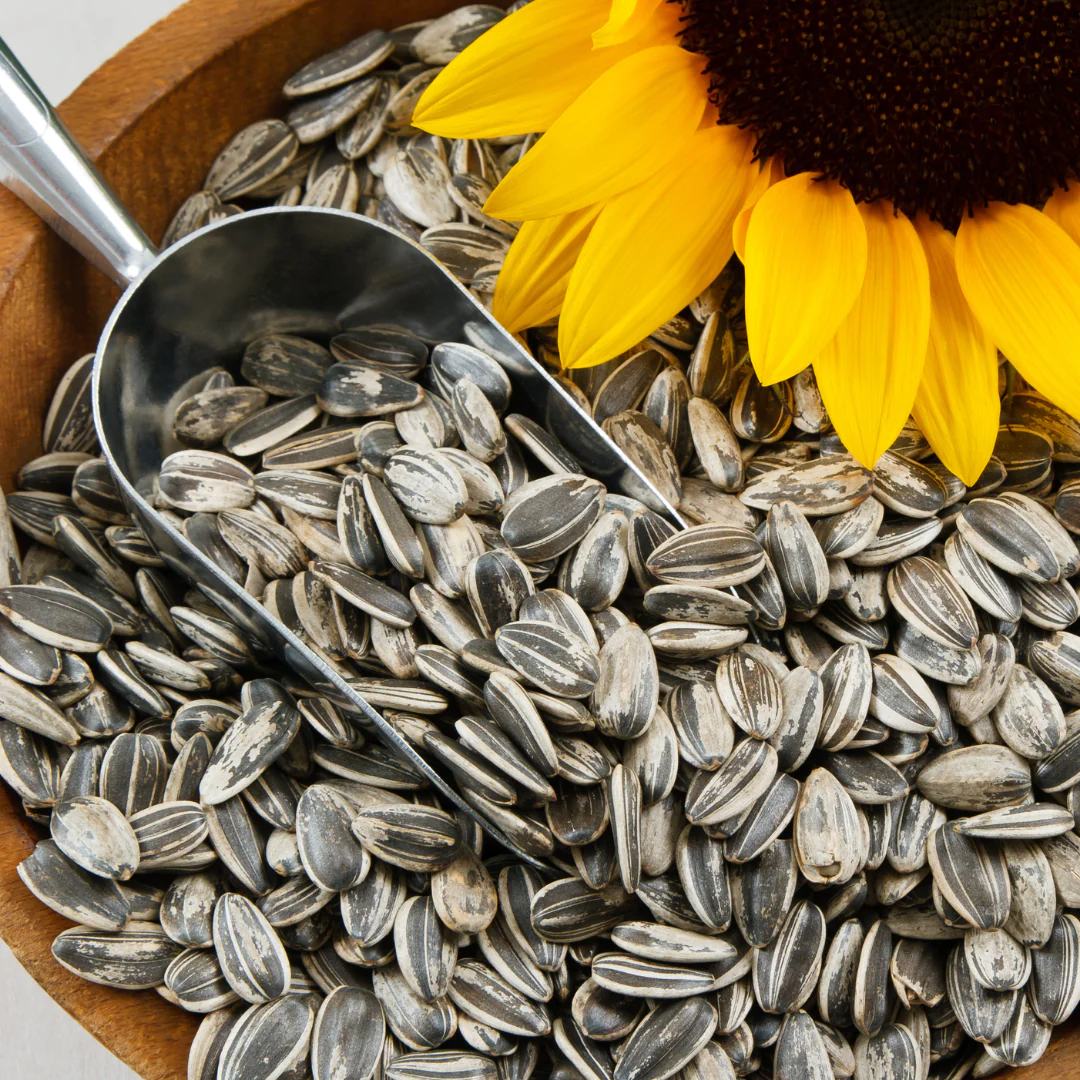
The foundational material is the sunflower seed itself. Varieties used for snack production typically exhibit large kernel size and high oil content (40-55% by weight, primarily linoleic acid). The seed coat (hull) comprises cellulose, hemicellulose, and lignin, providing a protective barrier. Flavoring compounds are generally mixtures of salt, sugar, monosodium glutamate (MSG), and various proprietary spice blends. Manufacturing begins with seed selection and cleaning, removing debris and immature seeds. Next is size grading to ensure uniform roasting. Roasting, typically between 120-160°C, is critical – it reduces moisture content (from ~10% to 2-3%), develops flavor precursors via Maillard reactions, and sterilizes the seeds. Post-roasting, flavoring is applied, often via a tumbling process with a liquid flavor coating. The coating adheres through a combination of electrostatic attraction and mechanical interlocking with the seed’s surface texture. Finally, seeds are packaged in moisture-proof films (typically multi-layer polypropylene or polyethylene laminates) under nitrogen flushing to minimize oxidation and extend shelf life. Critical parameters during roasting include temperature uniformity, roasting time (over-roasting leads to rancidity, under-roasting impacts flavor), and cooling rate. Flavor adhesion is governed by coating viscosity, seed surface roughness, and application speed. Packaging film permeability to oxygen and moisture dictates shelf stability.
Performance & Engineering
Performance assessment focuses on several key areas. Mechanical Strength: Shell fracture strength is crucial for ease of consumption. Excessive brittleness leads to fragmented seeds, while excessive toughness makes them difficult to crack. Force analysis during consumption reveals peak force required for dehulling. Flavor Retention: The adhesion strength of the flavoring compounds to the seed surface dictates flavor intensity and longevity. Shear testing evaluates the force required to remove the coating. Moisture Content & Water Activity (Aw): Maintaining low moisture content (<3%) and Aw (<0.65) is paramount to prevent microbial growth (particularly molds producing aflatoxins) and lipid oxidation. Hygroscopic studies assess the rate of moisture absorption from the environment. Oxidative Stability: Sunflower oil is susceptible to rancidity due to lipid oxidation. Accelerated shelf-life testing (e.g., storing samples at elevated temperatures) monitors peroxide value (PV) and anisidine value (AV) to quantify oxidation levels. Packaging Integrity: The barrier properties (oxygen transmission rate - OTR, water vapor transmission rate - WVTR) of the packaging film directly impact product shelf life. Compliance requirements include adherence to national food safety standards (e.g., GB standards in China, FDA regulations in the US) regarding permissible levels of aflatoxins, heavy metals, and other contaminants. Furthermore, packaging materials must comply with regulations concerning food contact materials.
Technical Specifications
| Parameter | Unit | Typical Value | Acceptable Range |
|---|---|---|---|
| Kernel Moisture Content | % (wt/wt) | 2.5 | 2.0 – 3.5 |
| Oil Content | % (wt/wt) | 50 | 45 – 55 |
| Aflatoxin B1 | µg/kg | <2 | <5 (Regulatory Limit) |
| Peroxide Value (PV) | meq O2/kg | <10 | <20 (Initial) |
| Water Activity (Aw) | - | 0.60 | <0.65 |
| Flavor Adhesion Strength | N/cm | 0.8 | 0.6 – 1.2 |
Failure Mode & Maintenance
Common failure modes include: Rancidity: Lipid oxidation, resulting in off-flavors and odors, is accelerated by exposure to oxygen, light, and heat. Prevention relies on optimized packaging and storage conditions. Aflatoxin Contamination: Mold growth during pre-harvest or storage can lead to aflatoxin production. Strict quality control of raw materials and proper drying techniques are essential. Flavor Loss: The flavor coating can degrade over time due to sublimation, leaching, or abrasion. Improving coating formulation and packaging can mitigate this. Shell Fragmentation: Excessive handling or impact can cause shells to crack, leading to seed damage and reduced consumer appeal. Gentle handling during processing and packaging is crucial. Moisture Absorption: Breaches in packaging integrity can allow moisture to enter, leading to microbial growth and rancidity. Regular packaging inspection and maintaining a dry storage environment are necessary. Maintenance involves consistent monitoring of storage conditions (temperature, humidity), regular aflatoxin testing, periodic assessment of packaging integrity, and implementation of a robust first-in, first-out (FIFO) inventory management system. Root cause analysis of any failures should be conducted to identify and address underlying issues in the manufacturing process or supply chain.
Industry FAQ
Q: What are the primary factors influencing aflatoxin levels in sunflower seeds?
A: Aflatoxin contamination is heavily influenced by pre-harvest conditions – drought stress, insect damage, and warm, humid weather favor mold growth. Post-harvest handling, particularly drying and storage, are also critical. Insufficient drying allows mold to proliferate, and improper storage (high humidity, temperature fluctuations) exacerbates the problem. Seed variety also plays a role, with some varieties exhibiting greater susceptibility.
Q: How does the choice of packaging film impact shelf life?
A: The packaging film’s barrier properties – OTR and WVTR – are paramount. Low OTR prevents oxidative rancidity, while low WVTR maintains low moisture content, inhibiting microbial growth. Multi-layer laminates incorporating aluminum foil or metallized films offer superior barrier properties. Seal integrity is also crucial; any leaks compromise the protective environment.
Q: What quality control measures are implemented to ensure consistent flavor profiles?
A: Batch-to-batch consistency of flavor ingredients is essential. Precise metering and uniform application of the flavor coating are critical. Sensory evaluation panels regularly assess flavor intensity, aroma, and overall acceptance. Instrumental analysis (e.g., gas chromatography) can quantify the levels of key flavor compounds.
Q: What are the key considerations for scaling up production while maintaining quality?
A: Scaling requires careful monitoring of critical process parameters – roasting temperature uniformity, flavor coating viscosity, and packaging seal integrity. Automated control systems and statistical process control (SPC) techniques are essential to maintain consistency. Increased throughput can lead to higher temperatures which need to be managed to prevent degradation.
Q: How do differing sunflower seed varieties affect the final product's characteristics?
A: Sunflower seed varieties vary significantly in oil content, kernel size, and hull characteristics. Higher oil content generally leads to a richer flavor and texture. Kernel size impacts the roasting process and the adhesion of the flavor coating. Hull thickness influences dehulling ease and the potential for shell fragments in the final product.
Conclusion
China original flavor sunflower seeds, while seemingly simple, are a product of complex interplay between agricultural science, food processing engineering, and packaging technology. Maintaining consistently high quality requires diligent control over raw material selection, precise execution of manufacturing processes, and adherence to stringent food safety standards. The industry's ongoing challenges revolve around mitigating aflatoxin risk, extending shelf life through advanced packaging, and ensuring consistent flavor delivery.
Future developments will likely focus on innovative coating technologies to enhance flavor adhesion and reduce sugar content, the development of sunflower varieties with increased resistance to aflatoxin-producing molds, and the implementation of “smart packaging” incorporating sensors to monitor freshness and detect contamination. A continued emphasis on quality control and adherence to international regulatory frameworks will be paramount to maintaining consumer trust and ensuring the continued success of this widely enjoyed snack.
