Introduction
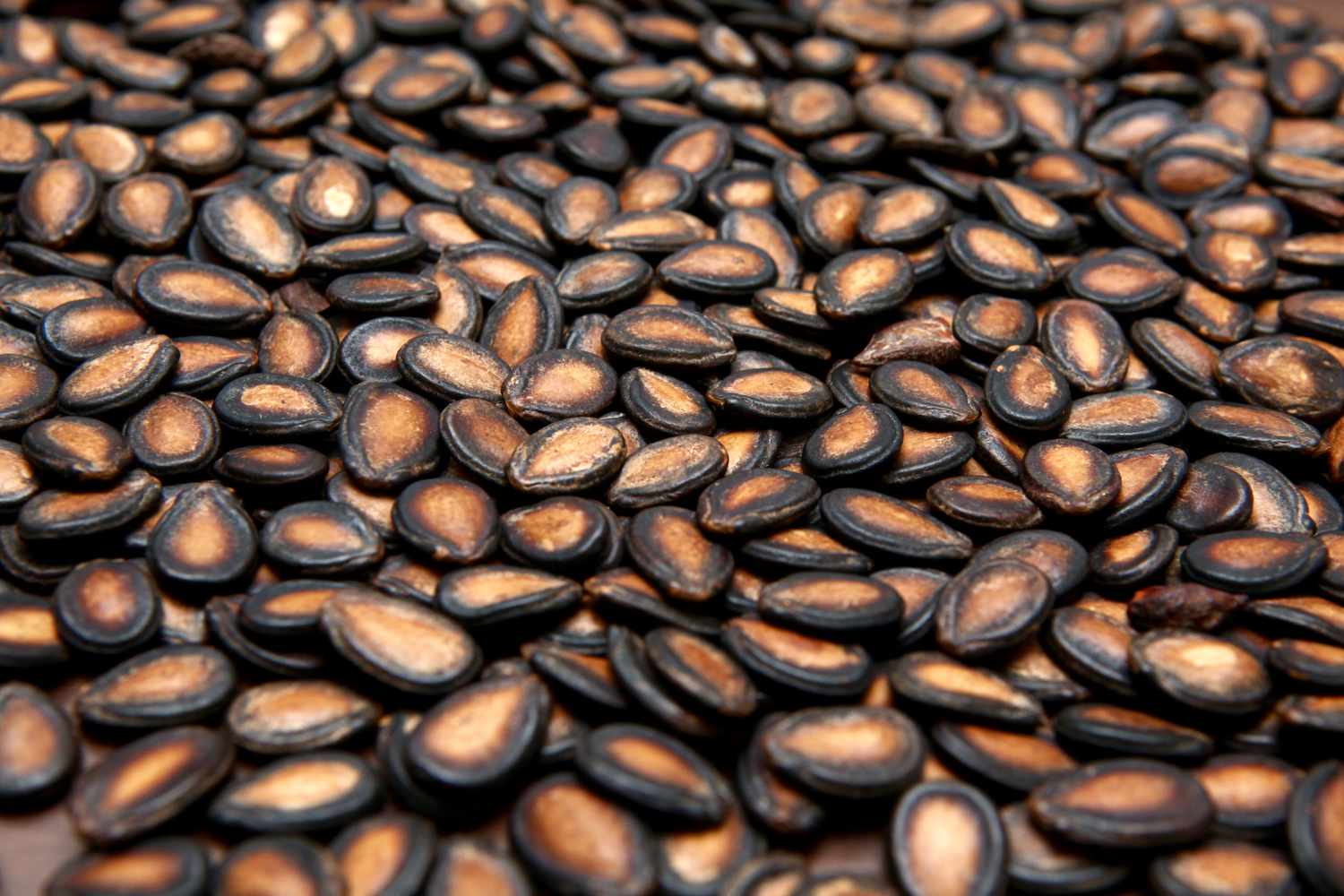
China organic watermelon seeds represent a critical input to global horticultural production, increasingly valued for their compliance with organic agricultural standards and potential for improved yield and fruit quality. This technical guide details the inherent material science, manufacturing processes, performance characteristics, and potential failure modes associated with these seeds. Watermelon ( Citrullus lanatus) seed production, particularly organic certification, requires stringent adherence to soil health management, pest control protocols excluding synthetic pesticides, and controlled pollination techniques. The seeds’ core performance metrics – germination rate, vigor, genetic purity, and disease resistance – directly impact downstream agricultural productivity. Understanding these parameters, alongside relevant international standards, is crucial for procurement professionals, agricultural engineers, and quality control specialists within the commercial horticulture industry.
Material Science & Manufacturing
The foundational material science of organic watermelon seeds revolves around endosperm composition – primarily carbohydrates, proteins, and lipids – providing the initial energy reserve for germination and seedling establishment. The seed coat, a multi-layered structure composed of sclerenchyma cells, offers physical protection and regulates water uptake. Genetic varieties dictate the specific biochemical profile of these reserves, influencing germination speed and seedling vigor. Manufacturing begins with controlled pollination of selected watermelon cultivars, ensuring genetic purity. Harvesting occurs at physiological maturity, indicated by rind color change and seed color. Post-harvest processing involves cleaning, drying (typically to 7-8% moisture content using forced-air drying systems, maintaining temperatures below 40°C to preserve viability), grading (based on size and weight), and quality control testing. Organic certification mandates the use of seed treatments compliant with organic standards – typically involving bio-fungicides and bio-insecticides to mitigate disease transmission and pest infestation during storage. Critical parameters during drying include airflow rate, temperature uniformity, and monitoring of seed moisture content. Inadequate drying leads to fungal growth and reduced germination; overheating damages the embryonic tissues.
Performance & Engineering
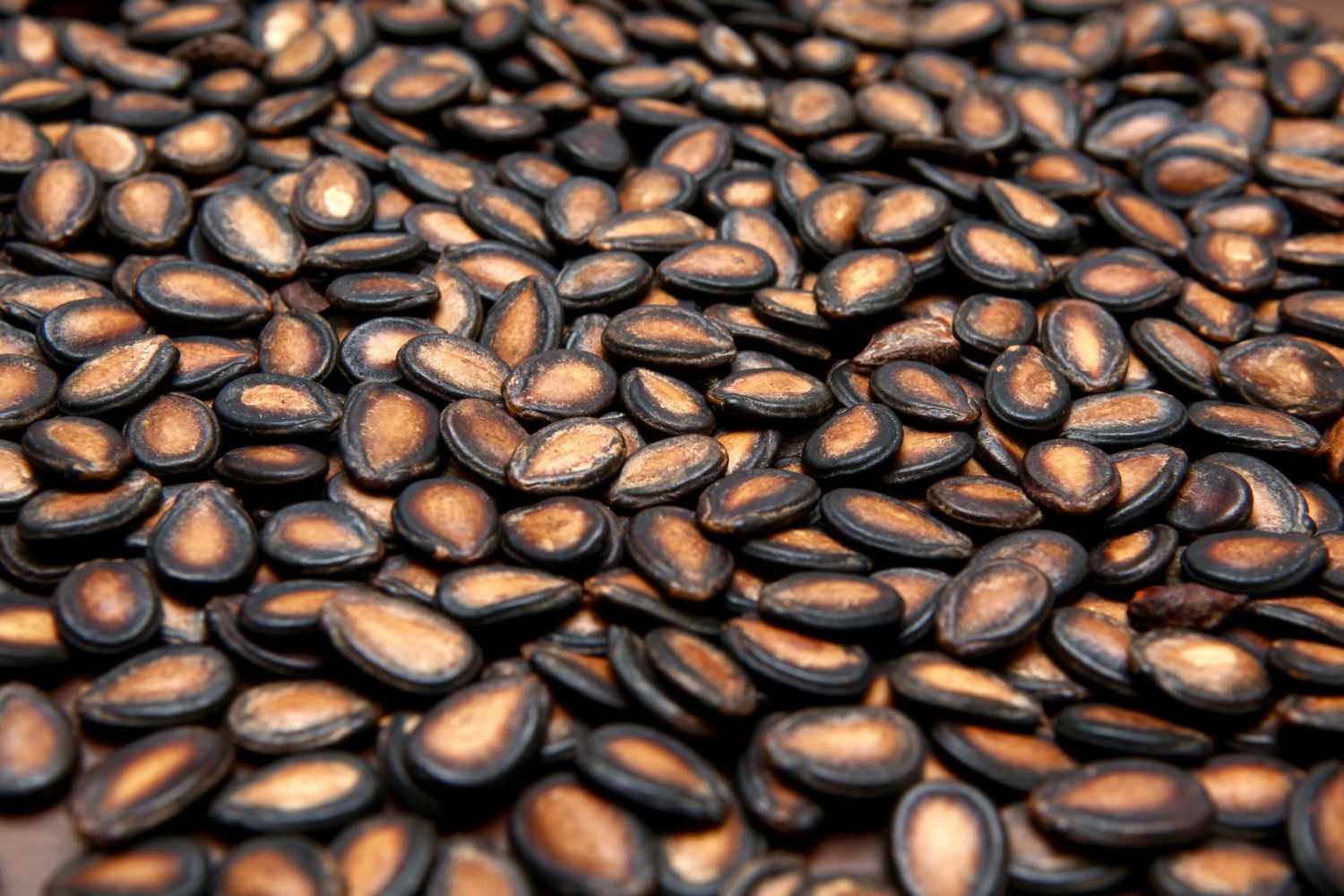
Performance evaluation of china organic watermelon seeds centers on key agronomic traits. Germination rate, assessed under controlled laboratory conditions (temperature 25-30°C, high humidity, darkness), is a primary indicator of seed viability. Seed vigor, often measured through seedling growth rate and root development, provides insight into the seed's ability to establish a robust plant in sub-optimal field conditions. Genetic purity is verified through molecular marker analysis, ensuring the seeds represent the intended cultivar without off-types. Disease resistance, specifically to fungal pathogens like Fusarium and Anthracnose, is evaluated through seedborne disease assays and subsequent field trials. Engineering considerations involve packaging materials – seeds are typically packaged in moisture-proof, airtight containers to maintain viability during storage. Storage conditions are critical: low temperature (4-10°C) and low humidity (<60% RH) are essential to minimize metabolic activity and prolong seed lifespan. Furthermore, seed pelleting with organic materials (e.g., clay, compost) can enhance handling ease during planting and improve seed-soil contact, contributing to uniform emergence. Compliance requires adherence to national organic programs and third-party certification bodies regarding allowable seed treatments and traceability protocols.
Technical Specifications
| Parameter | Specification | Test Method | Tolerance |
|---|---|---|---|
| Germination Rate (%) | ≥ 85% | ISTA Method 200 | ± 3% |
| Purity (%) | ≥ 98% | ISTA Method 204 | ± 1% |
| Moisture Content (%) | 7.0 – 8.5% | ISTA Method 201 | ± 0.5% |
| Seed Vigor Index (Length + Dry Weight) | ≥ 80 | ISTA Method 206 | ± 10 |
| Disease Incidence (Fusarium/Anthracnose) | ≤ 1% | Seed Health Testing – Agar Plate Method | ± 0.5% |
| Genetic Purity | 100% true to type | Molecular Marker Analysis (SSR/SNP) | N/A |
Failure Mode & Maintenance
Failure modes for china organic watermelon seeds can be categorized as pre-emergence and post-emergence. Pre-emergence failures include: 1) Seed dormancy due to immature harvesting or improper drying; 2) Mechanical damage during handling and processing leading to broken seed coats; 3) Fungal infection during storage resulting in seed decay; 4) Insect damage (e.g., seed weevils) compromising seed viability. Post-emergence failures include: 1) Seedling damping-off caused by soilborne pathogens ( Pythium, Rhizoctonia); 2) Poor germination due to unfavorable soil conditions (temperature, moisture); 3) Genetic defects leading to weak or stunted seedlings. Maintenance of seed quality requires strict adherence to storage protocols – cool, dry conditions and pest control measures. Regular seed viability testing (every 6-12 months) is crucial to monitor germination rate and identify any decline in quality. Implementing a robust seed traceability system is essential for identifying the source of failures and implementing corrective actions. Furthermore, employing seed treatments compliant with organic standards can mitigate the risk of seedborne diseases and improve seedling establishment. In cases of suspected contamination, seeds should be sent to a certified seed pathology laboratory for diagnosis and treatment recommendations.
Industry FAQ
Q: What are the key differences between conventionally produced and organic watermelon seeds in terms of quality control?
A: Organic seed production necessitates a holistic quality control system emphasizing preventative measures. Conventional seed production often relies on post-harvest treatments with synthetic fungicides and insecticides. Organic quality control focuses on soil health management, source control of seed stock, meticulous cleaning and grading procedures, and adherence to stringent organic certification standards. Traceability is also more critical in organic systems to verify the entire production chain, from field to packaging.
Q: How does seed pelleting impact the performance of organic watermelon seeds?
A: Seed pelleting with organic materials enhances seed handling during planting, improves seed-soil contact, and can provide a localized nutrient source for early seedling growth. The pelleting material should be certified organic and not interfere with germination. Properly pelleted seeds demonstrate more uniform emergence and increased seedling vigor, especially in less-than-ideal soil conditions.
Q: What is the typical shelf life of organic watermelon seeds when stored under optimal conditions?
A: Under optimal storage conditions (4-10°C and <60% RH), organic watermelon seeds can maintain >80% germination for 3-5 years. However, it’s recommended to conduct viability testing annually to monitor germination rate and ensure quality. Seed viability decreases over time, even under optimal conditions.
Q: How do molecular marker analyses contribute to verifying the genetic purity of organic watermelon seeds?
A: Molecular marker analyses (e.g., SSR, SNP) identify unique DNA signatures specific to each watermelon cultivar. Comparing these markers in the seed lot to the reference profile of the intended cultivar confirms genetic purity. This ensures the seeds are true to type and will produce watermelons with the desired characteristics.
Q: What are the implications of non-compliance with organic standards for watermelon seed producers?
A: Non-compliance with organic standards can result in the revocation of organic certification, leading to significant economic losses. It also damages the producer’s reputation and reduces market access. Stringent documentation, regular inspections by certification bodies, and adherence to all applicable regulations are critical to maintaining organic certification.
Conclusion
China organic watermelon seeds represent a complex agricultural input requiring a multifaceted understanding of material science, manufacturing techniques, and performance characteristics. Maintaining optimal seed quality necessitates stringent adherence to organic production protocols, meticulous quality control measures, and appropriate storage conditions. The long-term success of watermelon cultivation reliant on these seeds depends heavily on a thorough comprehension of potential failure modes and the implementation of preventative maintenance strategies.
Looking forward, advancements in seed coating technologies utilizing bio-stimulants and improved disease resistance traits through marker-assisted selection will likely enhance the performance and resilience of china organic watermelon seeds. Continued research focused on optimizing drying processes and storage conditions will further extend seed viability, reducing losses and maximizing agricultural productivity. Collaboration between seed producers, researchers, and certification bodies is essential for fostering innovation and ensuring the continued integrity of the organic watermelon seed supply chain.
