Introduction
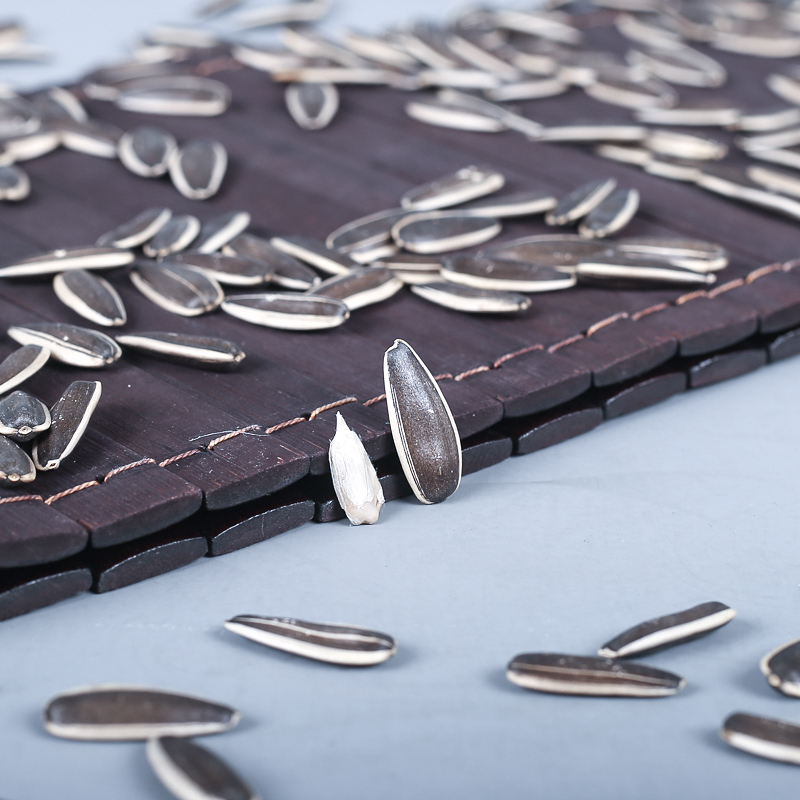
China organic raw sunflower seeds represent a key commodity within the global edible oilseed market, positioned as a foundational component in the food processing and nutraceutical industries. The technical position within the supply chain begins with agricultural production adhering to organic farming principles, progressing through harvesting, dehulling, drying, grading, and culminating in the provision of raw seeds for oil extraction, direct consumption, or further processing into sunflower-based products. Core performance characteristics are defined by oil content, protein content, fatty acid profile (oleic and linoleic acid ratios being particularly critical), moisture content, and levels of contaminants. This guide provides an in-depth examination of these aspects, addressing critical industry pain points related to organic certification verification, consistent quality assurance, and optimized storage to prevent degradation.
Material Science & Manufacturing
The primary material science considerations revolve around the composition of the Helianthus annuus seed. The hull, comprising approximately 20-30% of the seed mass, is composed of cellulose, hemicellulose, and lignin, providing structural integrity. The kernel constitutes the valuable portion, consisting of approximately 40-60% oil, 20-25% protein, and 10-15% carbohydrates. The oil is primarily composed of triglycerides, with the fatty acid profile varying based on cultivar. Manufacturing commences with organic farming practices – excluding synthetic pesticides, herbicides, and fertilizers. Harvesting is typically mechanical, followed by cleaning to remove extraneous matter. Dehulling employs impact or abrasive methods, with careful parameter control crucial to minimize kernel damage and oil loss. Drying is essential to reduce moisture content to <9% for storage stability, typically utilizing low-temperature airflow. Key parameters controlled during drying include temperature (maintained below 45°C to prevent protein denaturation), airflow velocity, and drying time. Grading separates seeds by size and density, removing broken or damaged kernels. Organic certification verification at each stage is paramount, requiring meticulous record-keeping and traceability from farm to processing facility.
Performance & Engineering
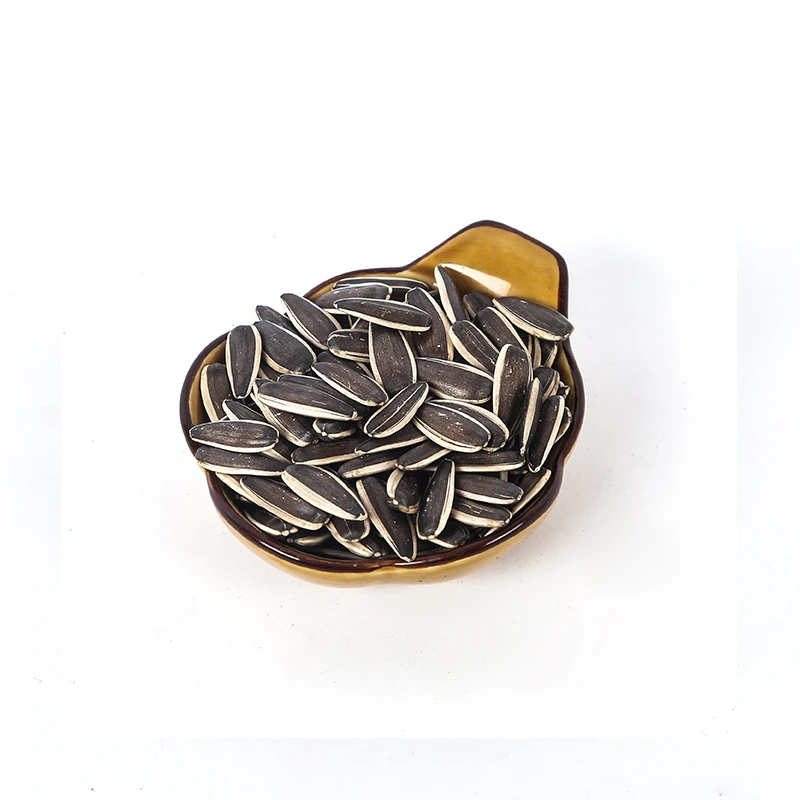
Performance is assessed based on several engineering parameters. The shear strength of the seed hull is critical for dehulling efficiency, influenced by moisture content and fiber orientation. Oil extraction efficiency, typically via mechanical pressing or solvent extraction, is governed by cell wall disruption and oil droplet coalescence. The seeds’ susceptibility to lipid oxidation is a major performance concern. Antioxidant levels inherent in the seed (Vitamin E, phenolic compounds) and storage conditions (temperature, oxygen exposure) dictate shelf life. Environmental resistance focuses on preventing aflatoxin contamination, a mycotoxin produced by Aspergillus fungi, requiring stringent control of humidity and temperature during drying and storage. Compliance requirements include adherence to organic standards (USDA Organic, EU Organic), food safety regulations (HACCP), and phytosanitary regulations to prevent the spread of plant pathogens. For direct consumption, the seed’s hardness is a key factor impacting consumer palatability, influenced by protein content and seed structure. Force analysis during shelling – the force required to crack the seed – is an important quality control metric.
Technical Specifications
| Parameter | Unit | Specification (Organic Standard) | Typical Range (China Export Grade) |
|---|---|---|---|
| Oil Content (Dry Basis) | % | ≥40% | 42-50% |
| Protein Content (Dry Basis) | % | ≥18% | 18-24% |
| Moisture Content | % | ≤9% | 7-8.5% |
| Acid Value | mg KOH/g | ≤1.5 | ≤1.0 |
| Peroxide Value | meq O2/kg | ≤10 | ≤7 |
| Aflatoxin B1 | ppb | ≤20 | ≤5 |
Failure Mode & Maintenance
Failure modes primarily relate to degradation and contamination. Lipid oxidation, leading to rancidity, is a significant concern, accelerated by high temperatures, oxygen exposure, and enzyme activity. Mitigation involves proper storage in airtight containers under cool, dark conditions, and potential addition of natural antioxidants. Mechanical damage during harvesting and processing can cause kernel breakage, increasing surface area for oxidation and susceptibility to microbial attack. Aflatoxin contamination, as previously mentioned, arises from fungal growth during improper drying and storage. Insect infestation can also occur, necessitating pest control measures in storage facilities. Maintenance focuses on preventative measures: regular cleaning and sanitation of processing equipment, strict moisture control during drying and storage, and adherence to HACCP principles. Storage facilities should be monitored for temperature, humidity, and pest activity. Regular laboratory testing for oil quality parameters (acid value, peroxide value) and mycotoxin levels is essential. Seed viability can also decline over time, particularly under suboptimal storage conditions, impacting germination if seeds are intended for future planting.
Industry FAQ
Q: What are the key differences in oil quality between high-oleic and standard sunflower seed varieties, and how does this impact their processing and end-use applications?
A: High-oleic sunflower seeds contain a significantly higher percentage of oleic acid (typically >70%) compared to standard varieties (around 30-40%). This higher oleic acid content imparts greater oxidative stability to the oil, resulting in a longer shelf life and reduced polymerization during frying. Consequently, high-oleic oil is preferred for frying applications and produces a more stable product. Standard sunflower oil, with its higher linoleic acid content, is more susceptible to oxidation but is often used in salad dressings and other applications where a lighter flavor is desired.
Q: How does the organic certification process impact the cost and traceability of china organic raw sunflower seeds?
A: Organic certification significantly increases production costs due to stricter farming practices, lower yields (typically), and the expenses associated with certification audits and record-keeping. Traceability is enhanced through a robust chain-of-custody system, requiring detailed documentation at each stage – from seed source to final product. This increased traceability provides assurance to consumers but adds complexity and cost to the supply chain. Verification relies on independent certification bodies.
Q: What are the critical control points for preventing aflatoxin contamination during harvesting, drying, and storage?
A: Critical control points include minimizing mechanical damage during harvesting, rapid and thorough drying to <9% moisture content, maintaining proper storage humidity (<65%), ensuring good ventilation, and implementing effective pest control measures. Regular inspection of seeds for visual signs of mold growth and periodic laboratory testing for aflatoxin levels are essential. Pre-harvest assessment of fields for Aspergillus risk is also recommended.
Q: What is the impact of seed size and uniformity on the efficiency of dehulling and oil extraction processes?
A: Seed size and uniformity directly impact processing efficiency. A more uniform seed size facilitates consistent dehulling, reducing kernel damage and maximizing oil recovery. Variations in seed size can lead to incomplete dehulling and increased energy consumption during oil extraction. Grading and sizing the seeds prior to processing are crucial for optimizing performance.
Q: What analytical methods are used to assess the quality and purity of china organic raw sunflower seeds?
A: Common analytical methods include moisture content determination (oven drying), oil content determination (solvent extraction), protein content determination (Kjeldahl method), acid value and peroxide value measurement (titration), aflatoxin analysis (HPLC or ELISA), fatty acid profile analysis (gas chromatography), and assessment of pesticide residues (GC-MS or LC-MS/MS). Microbiological testing is also performed to ensure food safety.
Conclusion
China organic raw sunflower seeds are a technically complex commodity, demanding stringent quality control throughout the entire supply chain. Optimizing performance relies on a deep understanding of the seed’s material science, meticulous process control during manufacturing, and proactive mitigation of degradation and contamination risks. Maintaining adherence to organic standards and food safety regulations is paramount for ensuring product integrity and consumer confidence.
Future developments will likely focus on breeding programs to enhance oil content, improve fatty acid profiles, and increase resistance to disease and pests. Advancements in drying and storage technologies, coupled with improved analytical methods for rapid quality assessment, will further contribute to the sustainability and efficiency of the sunflower seed industry. Ultimately, a holistic approach integrating agricultural innovation, processing optimization, and rigorous quality assurance will be critical for meeting the evolving demands of the global market.
