Introduction
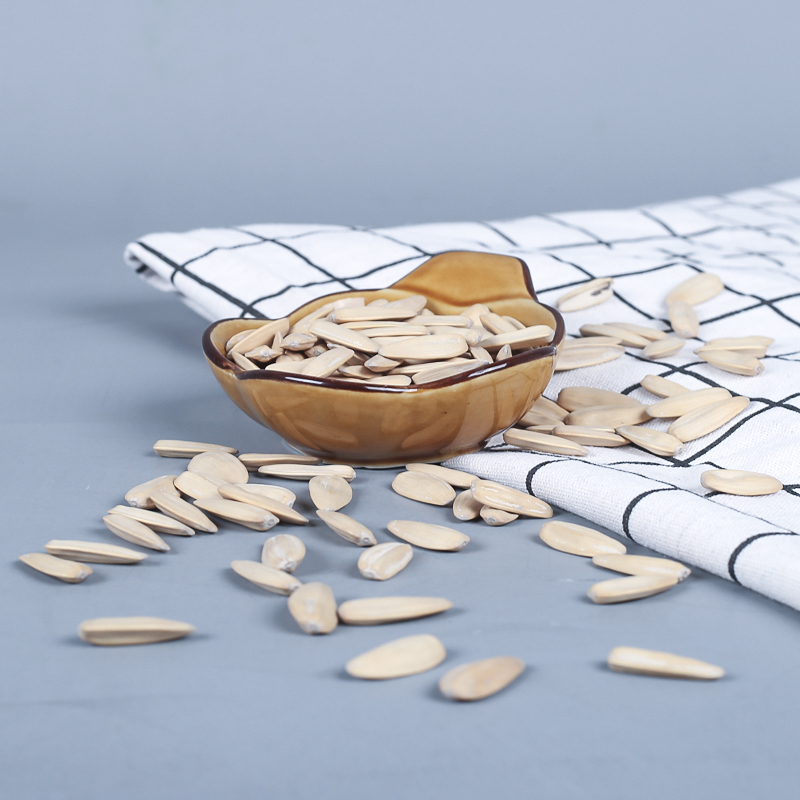
China no salt sunflower seeds represent a significant segment of the global snack food industry, specifically categorized under oilseed-based confectionary products. Positioned within the agricultural processing chain, these seeds undergo post-harvest processing including drying, dehulling, grading, and roasting. Their technical position hinges on achieving optimal moisture content, kernel integrity, and flavor development without the addition of sodium chloride, catering to health-conscious consumers and specific dietary requirements. Core performance characteristics revolve around seed size, oil content, protein content, and the absence of foreign materials. A key industry pain point is maintaining consistent quality and minimizing aflatoxin contamination, directly impacting export viability and consumer safety. This guide provides a comprehensive technical overview of China no salt sunflower seeds, encompassing material science, manufacturing processes, performance engineering, failure modes, and relevant industry standards.
Material Science & Manufacturing
The primary raw material, Helianthus annuus (sunflower), exhibits variability in kernel composition based on cultivar, growing conditions, and maturity stage. Kernels consist of approximately 40-55% oil, 20-30% protein, 10-20% carbohydrate (primarily cellulose and hemicellulose in the hull), and 5-10% moisture. Oil composition is predominantly linoleic acid (omega-6) and oleic acid (omega-9), influencing oxidative stability. Manufacturing begins with harvesting and pre-drying to reduce moisture to approximately 8-10% to prevent mold growth. Dehulling, often mechanical, separates the kernel from the hull, requiring careful calibration to minimize kernel damage. Roasting, typically using hot air or drum roasters, is critical for flavor development via Maillard reactions and lipid oxidation. Roasting parameters – temperature (140-180°C), duration (15-30 minutes), and air velocity – directly impact sensory attributes and acrylamide formation. Grading and sorting are performed to remove broken kernels, foreign materials, and off-color seeds. Quality control during these processes relies heavily on near-infrared spectroscopy for rapid oil and moisture content analysis, alongside visual inspection and manual sorting. Parameter control, specifically maintaining consistent roasting temperatures and minimizing mechanical damage during dehulling, is paramount to achieving product uniformity and extending shelf life.
Performance & Engineering
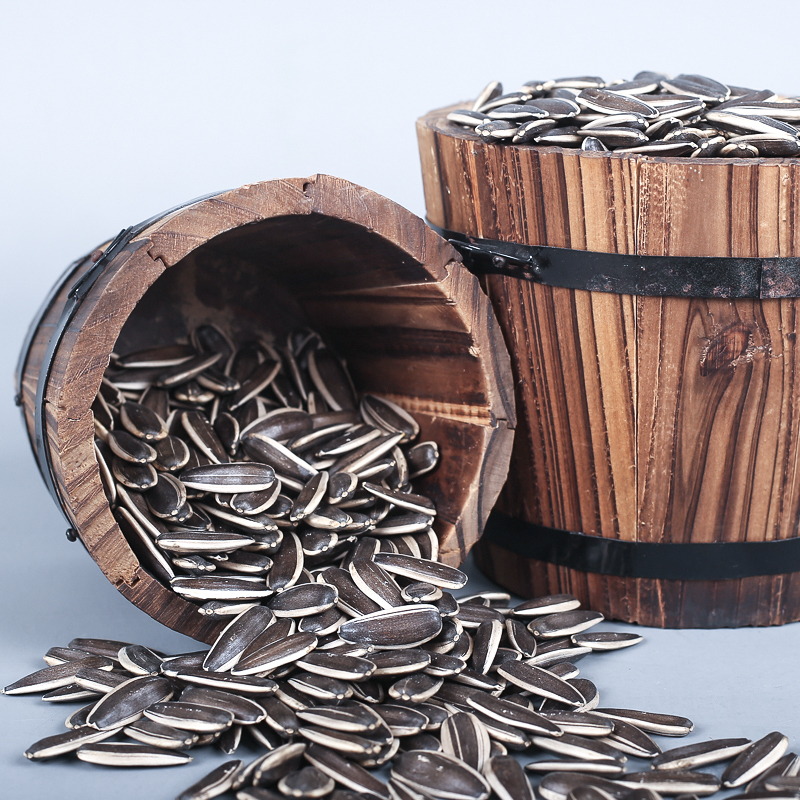
Performance analysis of china no salt sunflower seeds centers around several key aspects. Firstly, mechanical strength, specifically the resistance to kernel cracking during handling and transport, is crucial. This is related to kernel density and hull integrity. A force analysis reveals that kernels can withstand approximately 50-70 N of compressive force before fracturing. Secondly, oxidative stability is paramount, influenced by the oil composition and the presence of antioxidants (Vitamin E). Accelerated oxidation tests, such as the Rancimat method, measure the induction period, indicating the product’s resistance to rancidity. Target induction periods are typically >8 hours. Environmental resistance considers the impact of temperature and humidity on seed quality. High humidity (>70% RH) accelerates lipid hydrolysis and mold growth, requiring proper packaging with low oxygen transmission rates (OTR). Compliance requirements involve adherence to food safety regulations, specifically maximum permissible levels of aflatoxins (typically <2 ppb as per international standards). Functional implementation focuses on maintaining a consistent sensory profile - the roasted flavor, crispness, and absence of off-flavors - throughout the product's shelf life. Packaging engineering plays a critical role, utilizing materials with appropriate barrier properties to protect against moisture, oxygen, and light.
Technical Specifications
| Parameter | Units | Typical Value | Test Method |
|---|---|---|---|
| Moisture Content | % | 6.0 - 8.0 | AOAC 925.10 |
| Oil Content | % | 48 - 55 | Soxhlet Extraction (AOAC 920.39) |
| Protein Content | % | 20 - 25 | Kjeldahl Method (AOAC 978.05) |
| Aflatoxin B1 | ppb | <2 | HPLC-FLD (AOAC 991.30) |
| Kernel Size (Average) | mm | 10-14 | Sieve Analysis |
| Peroxide Value | meq O2/kg | <5 | AOCS Cd 8-53 |
Failure Mode & Maintenance
Failure modes in china no salt sunflower seeds typically fall into several categories. Rancidity due to lipid oxidation is a primary concern, manifesting as off-flavors and reduced shelf life. This is accelerated by exposure to oxygen, light, and elevated temperatures. Kernel cracking during handling or transportation leads to product loss and aesthetic defects. This is often caused by excessive mechanical stress during processing or inadequate packaging. Aflatoxin contamination is a critical food safety issue. This occurs through fungal growth (primarily Aspergillus flavus and Aspergillus parasiticus) during pre-harvest or post-harvest storage. Moisture absorption results in loss of crispness and increased susceptibility to microbial spoilage. Maintenance strategies involve strict quality control throughout the supply chain, including proper drying, storage in cool, dry conditions, and the use of appropriate packaging materials with low OTR and moisture vapor transmission rates (MVTR). Regular monitoring of aflatoxin levels is essential. Implementing a First-In, First-Out (FIFO) inventory management system minimizes storage duration. Preventative maintenance on processing equipment, particularly dehullers and roasters, reduces mechanical damage to the kernels.
Industry FAQ
Q: What are the critical control points for minimizing aflatoxin contamination in sunflower seeds?
A: Critical control points include sourcing seeds from reputable suppliers with robust quality control programs, proper pre-harvest crop management to minimize fungal infection, rapid and thorough drying of harvested seeds to below 8% moisture, rigorous cleaning and grading to remove contaminated kernels, and regular monitoring of aflatoxin levels throughout the processing and storage chain.
Q: How does the roasting process impact the nutritional value of the sunflower seeds?
A: Roasting can reduce the levels of certain vitamins, particularly Vitamin E, due to heat degradation. However, roasting also enhances the bioavailability of certain nutrients and generates desirable flavor compounds through Maillard reactions. Controlling roasting parameters (temperature, duration) is critical to minimize nutrient loss while maximizing flavor development.
Q: What packaging materials are recommended for maintaining the quality and extending the shelf life of no-salt sunflower seeds?
A: Multi-layer films with excellent barrier properties against oxygen, moisture, and light are recommended. Materials such as metallized polyethylene terephthalate (PET) or aluminum foil laminates are commonly used. The packaging should also be heat-sealable to ensure airtight closure and prevent contamination.
Q: What analytical methods are used to assess the quality of sunflower seeds during quality control checks?
A: Common analytical methods include moisture content analysis (oven drying, Karl Fischer titration), oil content determination (Soxhlet extraction, NMR), protein content analysis (Kjeldahl method), aflatoxin analysis (HPLC-FLD), peroxide value determination (AOCS Cd 8-53), and sensory evaluation (taste, aroma, texture).
Q: What is the acceptable range for seed size variation, and how does it impact processing efficiency?
A: A typical acceptable range for seed size variation is 10-14mm. Significant variation in seed size can impact dehulling efficiency and roasting uniformity. Smaller seeds may be more prone to breakage during dehulling, while larger seeds may require longer roasting times to achieve consistent moisture content.
Conclusion
China no salt sunflower seeds present a complex interplay of agricultural science, food processing engineering, and quality control measures. Maintaining consistently high product quality requires diligent attention to raw material sourcing, optimized processing parameters – particularly during dehulling and roasting – and robust packaging solutions that protect against oxidation, moisture ingress, and aflatoxin contamination. Achieving optimal performance necessitates a thorough understanding of the material properties of sunflower kernels and the factors influencing their stability.
Future trends in the industry will likely focus on advanced seed breeding programs to enhance oil content and oxidative stability, alongside the development of more sustainable and environmentally friendly processing techniques. Continued investment in analytical methodologies for rapid and accurate quality assessment, coupled with stringent adherence to international food safety standards, will be crucial for ensuring the continued success of China no salt sunflower seeds in the global marketplace.
