Introduction
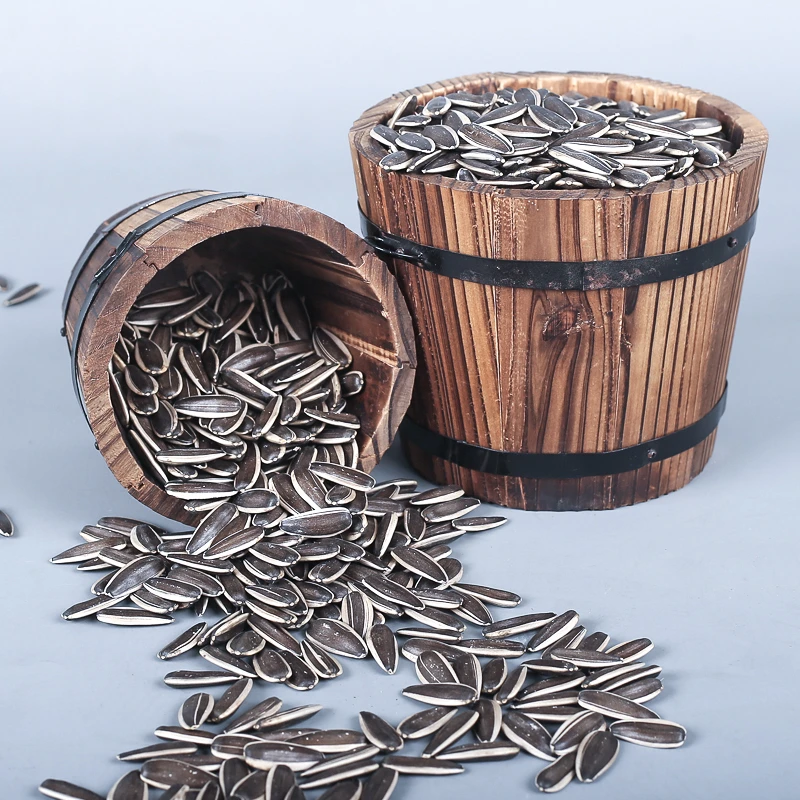
China New Sunflower Seeds represent a significant advancement in oilseed production, specifically focusing on high-oleic, mid-oleic, and linoleic varieties cultivated within China. These seeds occupy a critical position in the agricultural supply chain, serving as the primary raw material for edible oil production, confectionery products, and increasingly, biodiesel fuel. Unlike traditional sunflower seeds, the ‘New’ designation signifies improved breeding programs targeting enhanced oil content, superior fatty acid profiles, increased disease resistance, and optimized agronomic characteristics for various climate zones within China. Core performance indicators revolve around oil yield percentage (typically 42-50% by weight), fatty acid composition meeting specific industry standards (oleic acid >60% for high-oleic types), protein content (20-25%), and kernel size/weight uniformity. The primary market pain points center on consistent oil quality, aflatoxin contamination risk, and optimizing yields in the face of changing climate patterns and evolving pest pressures. This guide provides a comprehensive technical overview of these seeds, covering material science, manufacturing processes, performance characteristics, potential failure modes, and relevant industry standards.
Material Science & Manufacturing
The primary raw material is the Helianthus annuus species, selectively bred for specific traits. Kernel composition consists of approximately 65-75% oil, 20-25% protein, 5-10% carbohydrates (primarily starch), and 2-5% fiber. The oil itself is a complex mixture of triglycerides, with the predominant fatty acids being linoleic (C18:2), oleic (C18:1), and palmitic (C16:0). ‘New’ varieties demonstrate modifications to these ratios through genetic selection. Seed shell (hull) composition is largely cellulose and lignin, providing structural integrity. Manufacturing commences with field cultivation and harvesting. Post-harvest processing involves cleaning (removal of debris and foreign matter), drying (to a moisture content of approximately 9-10% to prevent mold growth), dehulling (mechanical removal of the outer shell – critical for oil quality, impacting free fatty acid levels), kernel cracking, and finally, oil extraction. Extraction methods commonly employed are mechanical pressing (expeller pressing) and solvent extraction (typically using hexane). Solvent extraction yields higher oil recovery rates (99%+) but requires rigorous solvent removal to meet food safety standards. Critical process parameters during oil extraction include temperature control (to prevent thermal degradation of oils) and pressure optimization (to maximize yield without damaging kernel structure). Dehulling efficiency is paramount; incomplete dehulling introduces undesirable compounds into the oil and reduces refining efficiency. The quality of the resulting oil is fundamentally linked to the seed’s genetic profile and the precision of the manufacturing processes. Proper storage of both seeds and oil is essential; oxidative rancidity, a major degradation pathway, is minimized through temperature control, nitrogen blanketing, and the addition of antioxidants (e.g., tocopherols).
Performance & Engineering
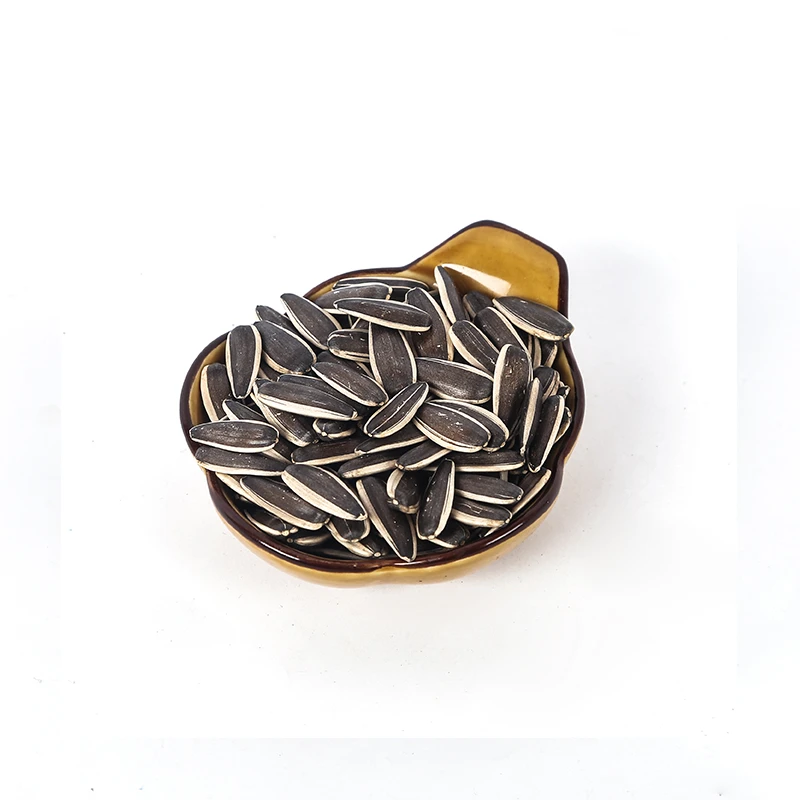
The performance of China New Sunflower Seeds is evaluated across several key engineering parameters. Firstly, oil stability, measured by the Rancimat method (induction period), is critical. High-oleic varieties exhibit significantly improved oxidative stability compared to linoleic types, impacting shelf life and suitability for high-temperature applications. Secondly, the iodine value (Wij's method) correlates with the degree of unsaturation and indicates the oil's susceptibility to oxidation and polymerization. Lower iodine values signify greater stability. Thirdly, the saponification value determines the average molecular weight of the triglycerides and provides insight into oil purity. Fourthly, color analysis (using Lovibond tintometers) assesses oil quality and the effectiveness of refining processes. Color deviations can indicate impurities or degradation products. In terms of agronomic performance, seed yield (kg/hectare) is a primary metric, influenced by factors such as planting density, fertilizer application, irrigation practices, and pest control. Kernel hardness, measured by compression testing, impacts milling efficiency and oil extraction rates. The seeds must also conform to stringent safety standards regarding aflatoxin levels (regulated by national food safety authorities) and pesticide residue limits. Seed viability, assessed through germination tests, is a crucial quality control parameter ensuring optimal planting success. The compressive strength of the seed hull is a factor in dehulling efficiency and minimizing kernel damage. Thermal properties during roasting or processing impact flavor development and texture.
Technical Specifications
| Parameter | High-Oleic Variety | Mid-Oleic Variety | Linoleic Variety |
|---|---|---|---|
| Oil Content (%) | 46-50 | 44-48 | 42-46 |
| Oleic Acid (%) | >80 | 60-75 | <30 |
| Linoleic Acid (%) | <10 | 20-35 | 50-70 |
| Palmitic Acid (%) | 4-6 | 4-6 | 5-7 |
| Iodine Value (g I2/100g oil) | 85-95 | 105-115 | 115-125 |
| Rancimat Induction Period (hours) | >12 | 8-10 | <6 |
Failure Mode & Maintenance
Failure modes in China New Sunflower Seeds can occur at multiple stages. Pre-harvest, fungal infection (e.g., Sclerotinia, Phomopsis) leading to seed rot and mycotoxin contamination (aflatoxins) is a primary concern. Seed damage during mechanical harvesting can introduce cracks, increasing susceptibility to spoilage. Post-harvest, improper drying and storage conditions promote mold growth and lipid oxidation, degrading oil quality and reducing shelf life. During dehulling, excessive force can cause kernel damage, releasing free fatty acids and reducing oil yield. Oil extraction inefficiencies, stemming from inadequate solvent penetration or suboptimal temperature/pressure control, result in lower oil recovery. Long-term storage of the oil can lead to oxidative rancidity, polymerization, and the formation of undesirable flavors and odors. Preventative maintenance includes regular cleaning and sanitation of processing equipment, precise control of drying temperatures and moisture content, optimized dehulling parameters, and the implementation of robust storage protocols (temperature control, nitrogen blanketing, antioxidant addition). Aflatoxin mitigation strategies involve the use of resistant seed varieties, proper field sanitation, and the application of pre-harvest fungicides (following regulatory guidelines). Periodic oil quality analysis (acid value, peroxide value, iodine value) is crucial for monitoring degradation and implementing corrective actions. Regular inspections of storage facilities for signs of pest infestation or moisture ingress are also essential.
Industry FAQ
Q: What are the key differences between high-oleic and linoleic sunflower oil in terms of food applications?
A: High-oleic sunflower oil, with its superior oxidative stability, is preferred for frying, high-heat cooking, and applications requiring extended shelf life (e.g., snack foods). Linoleic sunflower oil, while more susceptible to oxidation, contributes to desirable flavor profiles in certain applications and is a source of essential omega-6 fatty acids.
Q: How are aflatoxin levels monitored and controlled in China New Sunflower Seeds?
A: Aflatoxin levels are monitored throughout the supply chain, from field sampling to final product testing, using techniques like ELISA and HPLC. Control measures include utilizing resistant seed varieties, implementing proper field sanitation practices, applying pre-harvest fungicides (where permitted), and rigorous sorting/grading during processing to remove infected kernels.
Q: What is the impact of dehulling efficiency on the final oil quality?
A: Incomplete dehulling introduces hull fragments into the kernels, increasing free fatty acid levels, elevating peroxide values, and negatively impacting oil color and flavor. Thorough dehulling is critical for achieving high-quality oil.
Q: What are the optimal storage conditions for maximizing the shelf life of China New Sunflower Seeds?
A: Seeds should be stored in a cool (below 25°C), dry (below 9% moisture content), and well-ventilated environment, protected from direct sunlight and pests. Nitrogen blanketing can further reduce oxidation rates.
Q: What is the role of solvent extraction versus mechanical pressing in oil yield and quality?
A: Solvent extraction typically achieves higher oil yields (99%+) compared to mechanical pressing (80-90%). However, solvent extraction requires rigorous solvent removal to meet food safety standards. Mechanical pressing produces oil with a slightly different flavor profile and may retain more minor components, but the yield is lower.
Conclusion
China New Sunflower Seeds represent a sophisticated agricultural product engineered for optimized oil production and diverse applications. Their performance is intrinsically linked to meticulous control of material science – specifically the genetic modification of fatty acid profiles – and the precision of manufacturing processes, encompassing harvesting, drying, dehulling, and oil extraction. Achieving consistent high quality necessitates adherence to stringent quality control measures, particularly concerning aflatoxin mitigation and oxidative stability.
Future advancements will likely focus on further genetic improvements for enhanced disease resistance, yield potential, and tailored fatty acid compositions. Optimizing processing efficiency through advanced extraction technologies and implementing sustainable farming practices will be crucial for ensuring the long-term viability and competitiveness of China New Sunflower Seeds in the global oilseed market. Continued monitoring of industry standards and regulatory requirements is essential for maintaining product safety and quality.
