Introduction
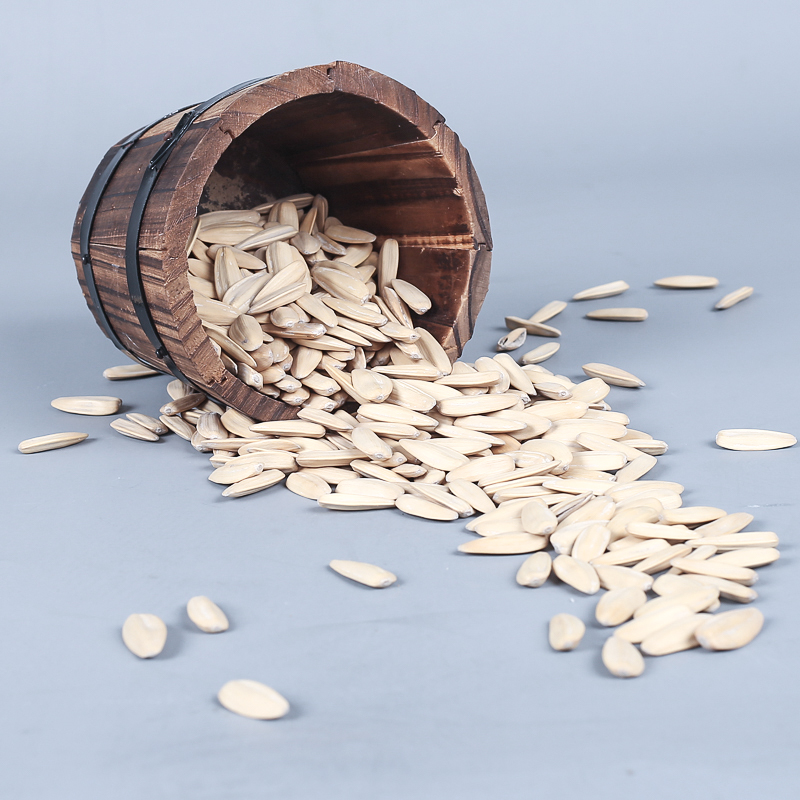
China new crop sunflower seeds represent a significant component of the global oilseed market, primarily utilized for edible oil production, confectionary applications, and birdseed. Positioned within the agricultural commodity chain, these seeds undergo processing encompassing dehulling, crushing, and oil extraction. Core performance characteristics center around oil content (typically 42-58%), protein levels (around 20-26%), and linoleic acid composition. The industry faces challenges related to seed quality consistency, aflatoxin contamination mitigation, and optimizing oil yield for economic viability. Varietal selection, cultivation practices, and post-harvest handling are critical factors influencing the final product's suitability for diverse end-use applications. This guide provides a comprehensive technical overview of these seeds, covering material science, manufacturing processes, performance specifications, potential failure modes, and relevant industry standards.
Material Science & Manufacturing
Sunflower seeds ( Helianthus annuus) are primarily composed of three key components: the kernel (cotyledon, approximately 65-75% of seed weight), the hull (pericarp, 20-30%), and the embryo (germ, 5-10%). The kernel is rich in lipids, predominantly triglycerides, with linoleic acid (C18:2) being the dominant fatty acid (typically 60-75% of total fatty acids). Oleic acid (C18:1) content varies significantly depending on cultivar, ranging from 10-40%. The hull provides structural integrity and consists mainly of cellulose, hemicellulose, and lignin. Manufacturing begins with field cultivation, optimal planting density, and careful moisture control during growth. Harvesting occurs when seed moisture content reaches approximately 18-20%. Post-harvest processing involves cleaning, drying to 8-9% moisture content to inhibit fungal growth, and dehulling. Dehulling is typically achieved mechanically using abrasive or impact methods, with careful parameter control (impact velocity, gap setting) to minimize kernel damage. Oil extraction is then performed via mechanical pressing (expelling) or solvent extraction (typically hexane). Solvent extraction yields higher oil recovery but requires stringent solvent removal protocols to meet food safety standards. Quality control throughout the process includes monitoring for foreign material, kernel damage, moisture content, oil content (using Soxhlet extraction or NIR spectroscopy), and aflatoxin levels (using HPLC or ELISA).
Performance & Engineering
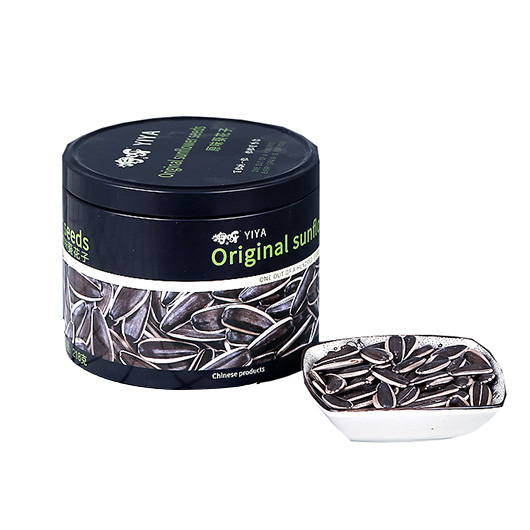
The performance of sunflower seeds, particularly regarding their suitability for oil extraction, is governed by several engineering principles. The hull's structural integrity impacts dehulling efficiency, with brittle hulls offering lower resistance but increasing kernel damage risk. Force analysis during dehulling focuses on optimizing impact force and minimizing shear stress to preserve kernel integrity. Environmental resistance is critical during storage; high temperature and humidity promote lipid oxidation and aflatoxin development. Therefore, storage facilities must maintain controlled temperature (below 25°C) and humidity (below 65%). Compliance with food safety regulations (e.g., FDA, EFSA) necessitates stringent monitoring of aflatoxin levels, which are secondary metabolites produced by Aspergillus fungi. Aflatoxin B1, the most potent form, is a known carcinogen. The engineering of seed processing equipment, including cleaners, dehullers, and extractors, must consider seed size variability and minimize the formation of fine particles (dust) which can pose explosion hazards. Seed breakage during processing reduces oil yield and increases the presence of free fatty acids, negatively impacting oil quality. Varietal selection plays a crucial role, with high-oleic sunflower seeds exhibiting improved oxidative stability and longer shelf life compared to traditional linoleic varieties.
Technical Specifications
| Parameter | Unit | Standard Grade (Typical) | High-Quality Grade (Typical) |
|---|---|---|---|
| Oil Content (Dry Basis) | % | 48-52 | 53-58 |
| Protein Content (Dry Basis) | % | 20-23 | 24-26 |
| Moisture Content | % | ≤9.0 | ≤8.0 |
| Foreign Matter | % | ≤1.0 | ≤0.5 |
| Kernel Damage (Broken/Split Kernels) | % | ≤5.0 | ≤3.0 |
| Aflatoxin B1 | ppb | ≤20 | ≤5 |
Failure Mode & Maintenance
Sunflower seeds are susceptible to several failure modes throughout their lifecycle. Lipid oxidation is a primary concern during storage, leading to rancidity and reduced oil quality. This is accelerated by exposure to oxygen, light, and elevated temperatures. Aflatoxin contamination is a critical failure mode impacting food safety and marketability. Factors contributing to aflatoxin development include insect damage, drought stress during growth, and improper storage conditions. Physical damage (cracking, chipping) during harvesting, dehulling, and handling reduces oil yield and increases the risk of fungal invasion. Husk fragmentation creates dust which is a fire/explosion hazard. Maintenance strategies involve implementing effective storage protocols (temperature and humidity control), regular inspection for insect infestations and mold growth, utilizing appropriate dehulling equipment with optimized parameters, and implementing rigorous cleaning procedures to minimize foreign material. Preventive maintenance on processing equipment includes lubrication of moving parts, replacement of worn components (e.g., abrasive plates in dehullers), and calibration of sensors and control systems. Regular monitoring of seed quality parameters (oil content, moisture content, aflatoxin levels) is essential for identifying potential failure modes and implementing corrective actions.
Industry FAQ
Q: What is the significance of the acid value in sunflower seed oil, and what acceptable limits are typically observed?
A: The acid value indicates the amount of free fatty acids present in the oil. Higher acid values signify increased hydrolysis of triglycerides, often due to improper storage or processing conditions. This impacts oil quality, causing rancidity and reducing its suitability for certain applications. Acceptable limits typically range from 0.3-0.5 mg KOH/g oil, with values exceeding 0.8 mg KOH/g indicating significant deterioration.
Q: How does varietal selection influence the shelf life of sunflower oil?
A: High-oleic sunflower varieties contain a significantly higher proportion of oleic acid (C18:1), which is more resistant to oxidation than linoleic acid (C18:2). This results in improved oxidative stability and a longer shelf life compared to traditional linoleic sunflower oils. High-oleic oils can typically be stored for 12-18 months under proper conditions, while linoleic oils may exhibit signs of rancidity after 6-9 months.
Q: What are the critical control points for minimizing aflatoxin contamination in sunflower seeds?
A: Critical control points include pre-harvest factors (managing drought stress, controlling insect infestations), proper harvesting practices (avoiding damage to seeds), rapid drying to reduce moisture content, thorough cleaning to remove damaged seeds and foreign matter, and maintaining strict storage conditions (low temperature and humidity). Regular testing for aflatoxin levels throughout the supply chain is also crucial.
Q: What impact does dehulling efficiency have on overall oil yield and processing costs?
A: Efficient dehulling is essential for maximizing oil yield. Incomplete dehulling leaves residual hull material, reducing the concentration of oil-bearing kernels and increasing processing costs. Moreover, hull fragments contribute to dust formation, posing safety hazards and requiring additional filtration. Optimal dehulling parameters balance kernel damage minimization with efficient hull removal.
Q: What analytical methods are used to determine the quality of sunflower seeds prior to shipment?
A: Common analytical methods include moisture content determination (oven drying method), oil content analysis (Soxhlet extraction or NIR spectroscopy), protein content determination (Kjeldahl method), acid value measurement (titration), peroxide value measurement (iodometric titration), and aflatoxin analysis (HPLC or ELISA). Visual inspection for foreign matter and kernel damage is also performed.
Conclusion
China new crop sunflower seeds are a versatile agricultural commodity demanding meticulous attention to material science and engineering principles throughout the entire production chain. Effective management of post-harvest processing—including drying, dehulling, and oil extraction—is crucial for maximizing oil yield, ensuring food safety, and achieving consistent product quality. The susceptibility to lipid oxidation and aflatoxin contamination necessitates stringent quality control measures and adherence to established storage protocols.
Future developments in sunflower seed technology will likely focus on breeding programs aimed at enhancing oil content, improving oxidative stability, and increasing resistance to aflatoxin-producing fungi. Optimized processing techniques, incorporating advanced sensor technologies and automation, will further enhance efficiency and minimize waste. Adherence to international standards and continuous monitoring of key quality parameters remain paramount for maintaining the competitiveness of China new crop sunflower seeds in the global market.
