Introduction
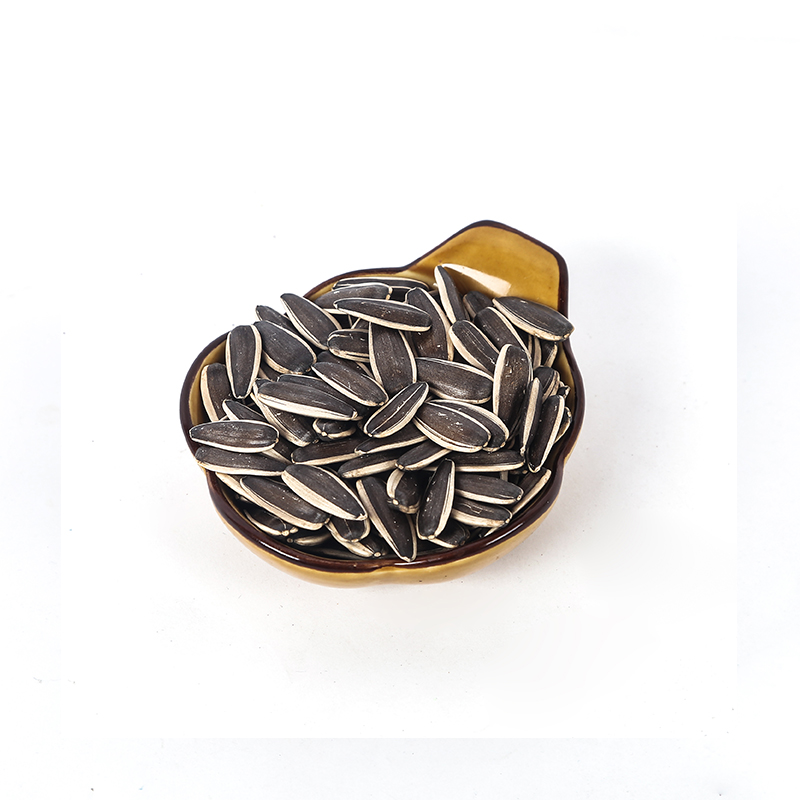
China natural original flavor sunflower seeds represent a significant segment within the global snack food industry, specifically categorized under oilseed-based confectioneries. These seeds, originating from Helianthus annuus, are processed and seasoned to provide a palatable and nutritionally dense snack. Their technical position in the supply chain extends from agricultural cultivation and harvesting, through post-harvest processing including drying, dehulling, grading, and flavoring, culminating in consumer packaging and distribution. Core performance characteristics center around moisture content, oil content, kernel integrity (absence of damaged or immature seeds), flavor profile consistency, and adherence to food safety regulations. A primary industry pain point revolves around maintaining consistent flavor profiles across large production batches, minimizing aflatoxin contamination risks, and optimizing packaging to preserve freshness and prevent rancidity during extended storage and transport. Furthermore, maintaining kernel wholeness during processing, which affects textural quality, is a critical engineering challenge.
Material Science & Manufacturing
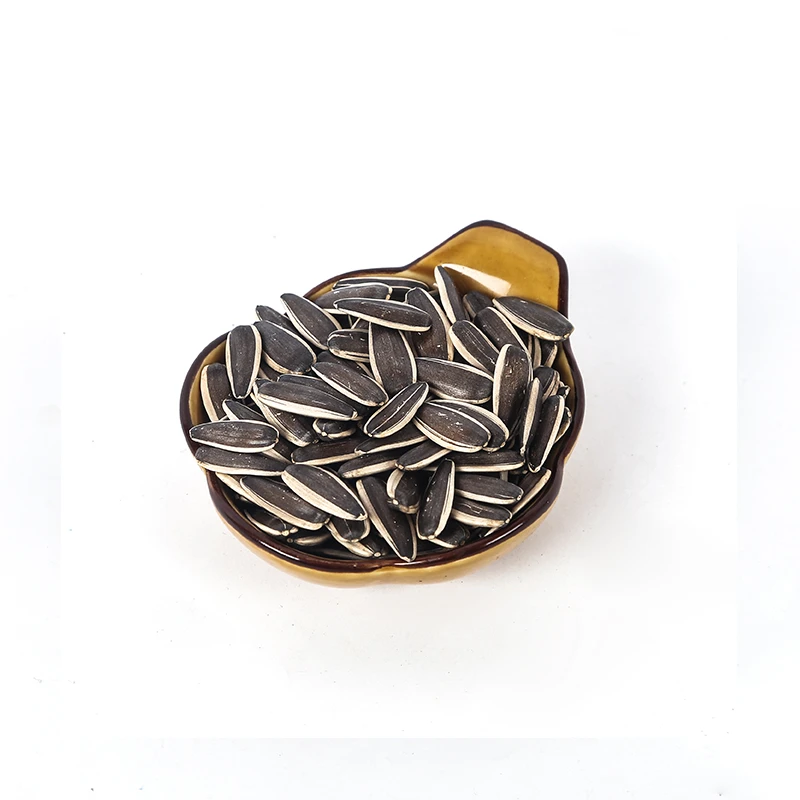
The primary raw material, sunflower seeds, consists of approximately 35-50% oil, 20-30% protein, 15-25% carbohydrate (primarily cellulose and hemicellulose in the hull), and 5-10% moisture. Oil composition is predominantly linoleic acid (a polyunsaturated omega-6 fatty acid), oleic acid (a monounsaturated fatty acid), and palmitic acid (a saturated fatty acid). The hull, composed of lignocellulosic materials, provides structural integrity. Manufacturing commences with harvesting at optimal maturity, evidenced by a moisture content of 9-12%. Drying is crucial, typically employing forced-air systems to reduce moisture to 6-8%, inhibiting microbial growth and enzymatic activity. Dehulling utilizes mechanical abrasion and impact, requiring precise calibration to minimize kernel damage. Grading separates seeds by size and density, eliminating foreign matter. Flavoring involves dry application of salt and potentially other seasonings (e.g., maltodextrin, spices), followed by a brief tempering period for adherence. Critical process parameters include drying temperature (max 60°C to prevent oil oxidation), dehulling pressure (optimized to balance hull removal and kernel integrity), and seasoning uniformity (controlled by mixing intensity and application rate). Chemical compatibility between the seasoning components and the seed oil is vital to prevent undesirable reactions and maintain flavor stability. The packaging material, typically a multi-layer laminate film (PET/Al/PE), must exhibit excellent barrier properties to oxygen, moisture, and light to prevent rancidity.
Performance & Engineering
Performance evaluation centers around maintaining optimal textural qualities (crispness, hardness), flavor retention, and shelf-life stability. Force analysis during dehulling determines the optimal impact force needed for efficient hull removal without damaging the kernel. This is governed by material properties like hull hardness and kernel fragility. Environmental resistance analysis focuses on oxidative stability of the oil, measured by peroxide value (PV) and anisidine value (AV). High PV and AV indicate lipid oxidation and rancidity. Packaging design incorporates oxygen transmission rate (OTR) and water vapor transmission rate (WVTR) calculations to determine the required barrier properties. Compliance requirements are dictated by food safety standards (see section 7). Functional implementation involves ensuring uniform seasoning distribution, minimizing dust generation during processing, and optimizing packaging for efficient filling and sealing. Maintaining a consistent oil content within a specified range is crucial for both flavor and textural characteristics. Furthermore, controlling the level of acrylamide formation during high-temperature processing (if any) is a regulatory concern, often mitigated through careful control of drying and roasting temperatures.
Technical Specifications
| Parameter | Unit | Specification | Test Method |
|---|---|---|---|
| Moisture Content | % | ≤ 8.0 | AOAC 925.10 |
| Oil Content | % | 40-50 | SOXTEC Method |
| Kernel Damage (Broken/Immature) | % | ≤ 5.0 | Visual Inspection |
| Aflatoxin B1 | ppb | ≤ 2.0 | HPLC |
| Peroxide Value (PV) | meq O2/kg | ≤ 5.0 | AOCS Cd 8-53 |
| Salt Content | % | 1.5 - 2.5 | Argentometric Titration |
Failure Mode & Maintenance
Common failure modes include rancidity (caused by lipid oxidation, evidenced by off-flavors and odors), textural degradation (loss of crispness due to moisture absorption or lipid hydrolysis), kernel cracking during processing or handling, and packaging failure (compromised barrier properties leading to spoilage). Rancidity is a primary concern and can be mitigated through antioxidant addition (e.g., tocopherols), nitrogen flushing of packaging, and proper storage conditions (cool, dark, dry). Textural degradation can be minimized through optimized drying and packaging. Kernel cracking is often related to improper dehulling parameters or excessive handling force. Packaging failures are typically due to puncture or seal integrity issues, requiring robust quality control during packaging production and handling. Preventative maintenance on processing equipment (dehullers, graders, seasoning applicators) is crucial to minimize kernel damage. This includes regular inspection and replacement of worn parts (e.g., abrasive surfaces, rollers, screens). Regular monitoring of storage conditions (temperature, humidity) is essential to prevent spoilage. Implementing a First-In, First-Out (FIFO) inventory management system further minimizes the risk of prolonged storage and associated quality degradation.
Industry FAQ
Q: What are the critical control points for preventing aflatoxin contamination in sunflower seeds?
A: The critical control points begin with sourcing seeds from reputable suppliers with established quality control programs. Pre-harvest monitoring for mold growth in fields is important. During processing, thorough cleaning and grading to remove damaged or discolored seeds are crucial. Post-processing, regular testing for aflatoxin B1 using HPLC is mandatory, and contaminated batches must be rejected or processed using approved detoxification methods.
Q: How does the oil content of the sunflower seeds affect the shelf life of the finished product?
A: Higher oil content generally leads to a shorter shelf life due to increased susceptibility to lipid oxidation. The type of fatty acids also plays a role; seeds with a higher proportion of linoleic acid (a polyunsaturated fatty acid) are more prone to rancidity. Proper packaging and storage are essential to minimize oxidation.
Q: What packaging materials provide the best barrier properties for maintaining sunflower seed freshness?
A: Multi-layer laminate films consisting of PET, Aluminum foil, and PE (PET/Al/PE) offer excellent barrier properties against oxygen, moisture, and light. Aluminum foil is particularly effective in blocking light exposure, which accelerates lipid oxidation. Vacuum packaging or nitrogen flushing can further extend shelf life.
Q: What quality control measures are necessary to ensure consistent flavor application?
A: Consistent flavor application requires precise control of seasoning addition rates, uniform mixing, and proper tempering time. Regular monitoring of salt content using argentometric titration is essential. Automated seasoning systems with feedback control loops can improve consistency. Sensory evaluation panels should also be used to assess flavor profile.
Q: How do different drying methods impact the final product quality?
A: While various drying methods exist, forced-air drying is commonly used. However, excessive drying temperatures (>60°C) can lead to oil degradation and reduced crispness. Careful monitoring of drying parameters and regular assessment of moisture content are crucial for maintaining quality. Sun drying is generally not recommended due to potential contamination and inconsistent drying rates.
Conclusion
China natural original flavor sunflower seeds, while seemingly simple, represent a complex interplay of material science, engineering, and food safety considerations. Maintaining consistent quality hinges on meticulous control of each stage of the production process, from seed selection and drying to dehulling, flavoring, and packaging. Addressing the inherent challenges of lipid oxidation, kernel damage, and aflatoxin contamination requires a proactive approach to quality control and adherence to stringent industry standards.
Future advancements may focus on developing seed varieties with improved oil stability and enhanced resistance to fungal contamination. Sustainable packaging solutions with reduced environmental impact are also gaining prominence. Continuous monitoring and refinement of processing parameters, coupled with innovative quality assurance techniques, will be critical for maintaining the competitiveness of China natural original flavor sunflower seeds in the global snack food market.
