Introduction
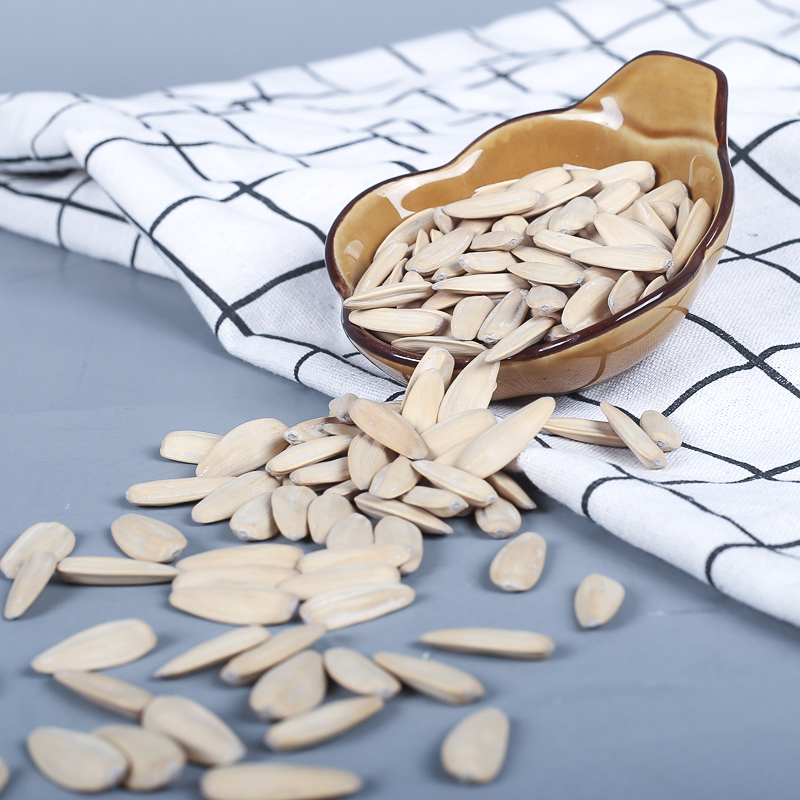
China natural organic sunflower seeds represent a significant segment within the global edible seed market. Positioned within the agricultural supply chain, these seeds serve as both a direct consumer product and a crucial ingredient for oil extraction, confectionery, and animal feed. Core performance characteristics center around oil yield, protein content, kernel size, and adherence to stringent organic certification standards. The increasing demand for plant-based protein and healthy fats drives growth in this sector. Key challenges for producers include maintaining consistent quality across varying growing conditions, mitigating aflatoxin contamination risks, and securing efficient logistics for international export. This guide details the material science, manufacturing processes, performance specifications, potential failure modes, and industry standards pertinent to China natural organic sunflower seeds.
Material Science & Manufacturing
Sunflower seeds ( Helianthus annuus) are composed primarily of oil (42-58% by weight), protein (18-25%), carbohydrates (15-20%), and fiber (6-11%). The oil consists predominantly of linoleic acid (60-75%), an omega-6 fatty acid, alongside oleic acid (10-30%) and palmitic acid (3-6%). The protein fraction comprises essential amino acids, contributing to its nutritional value. Manufacturing begins with seed selection, favoring high-oleic or high-linoleic varieties depending on intended end-use. Cultivation practices adhering to organic standards preclude synthetic pesticides, herbicides, and fertilizers. Harvesting occurs at physiological maturity, indicated by a dark seed coat and low moisture content (typically 9-12%). Post-harvest processing involves cleaning to remove debris, drying to further reduce moisture (target 7-8%), dehulling (removal of the outer hull), and grading based on size and quality. Dehulling is critical; incomplete removal affects oil yield and product appearance. Quality control at each stage – seed selection, field monitoring for mycotoxins, drying temperature control (to prevent protein denaturation), and dehulling efficiency – are paramount. Seed storage requires low temperature (below 15°C) and humidity (below 65%) to prevent rancidity and insect infestation. Nitrogen flushing of storage facilities can extend shelf life by displacing oxygen.
Performance & Engineering
Performance of sunflower seeds is evaluated across several key parameters. Oil content is determined via Soxhlet extraction, directly impacting yield and economic value. Protein content is measured using Kjeldahl or Dumas methods, crucial for nutritional labeling. Kernel hardness (resistance to cracking during processing) influences oil extraction efficiency. Moisture content, consistently monitored using capacitance meters, directly affects storage stability and susceptibility to fungal growth. Aflatoxin levels, a potent mycotoxin produced by Aspergillus species, are rigorously tested via ELISA or HPLC, adhering to regulatory limits (typically <20 ppb for human consumption). The seed coat’s tensile strength is vital for withstanding handling and transportation stresses. Environmental resistance is primarily dictated by the seed’s inherent genetic resistance to common diseases (downy mildew, rust) and its ability to tolerate variations in temperature and rainfall during the growing season. Compliance requirements include certification to organic standards (USDA Organic, EU Organic) and adherence to food safety regulations (HACCP, GMP). The hulling process is engineered to minimize kernel damage while maximizing hull removal efficiency; this requires precise control of impact forces and abrasion rates within the hulling machinery.
Technical Specifications
| Parameter | Unit | Typical Value (Organic, China) | Test Method |
|---|---|---|---|
| Oil Content (Dry Basis) | % | 48-55 | Soxhlet Extraction (GB/T 5503-2008) |
| Protein Content (Dry Basis) | % | 20-24 | Kjeldahl Method (GB/T 5009.4-2016) |
| Moisture Content | % | 7-9 | Oven Drying (GB/T 5005-2008) |
| Kernel Hardness | N | 25-40 | Compression Testing (ASTM D698) |
| Aflatoxin B1 | ppb | <20 | ELISA or HPLC (GB 500-2010) |
| Hull Damage (Broken Kernels) | % | <5 | Visual Inspection (Industry Standard) |
Failure Mode & Maintenance
Sunflower seeds are susceptible to several failure modes. Rancidity, caused by lipid oxidation, is a primary concern during storage, manifesting as off-flavors and reduced nutritional value. This is accelerated by high temperature, humidity, and exposure to oxygen. Aflatoxin contamination represents a significant food safety risk, arising from fungal growth during pre-harvest or post-harvest stages. Physical damage (cracked kernels) during handling and processing reduces quality and increases susceptibility to insect infestation. Insect infestation itself (e.g., by storage beetles) can lead to significant losses. Moisture absorption during storage can promote fungal growth and nutrient degradation. Maintenance strategies include strict adherence to storage guidelines (low temperature, humidity control, nitrogen flushing), regular monitoring for aflatoxin levels, implementation of robust pest control measures, and careful handling procedures to minimize physical damage. Seed coatings containing antifungal agents can provide some protection against fungal growth, though organic certification may restrict their use. Regular inspection of storage facilities for leaks or signs of pest activity is crucial for preventative maintenance.
Industry FAQ
Q: What are the key differences between high-oleic and high-linoleic sunflower seeds, and how do these differences affect their applications?
A: High-oleic seeds contain a higher proportion of oleic acid, a monounsaturated fatty acid, resulting in improved oxidative stability and a longer shelf life, making them ideal for frying oils and confectionery. High-linoleic seeds, rich in linoleic acid (an omega-6 fatty acid), are preferred for salad oils and margarines. The choice depends on the desired end-product characteristics and consumer preferences.
Q: How is organic certification ensured throughout the entire supply chain, from farm to export?
A: Organic certification involves rigorous inspections at each stage – farming (soil testing, pest control methods), harvesting, processing, and storage – by accredited certifying bodies. This includes verification of adherence to organic standards, traceability of seeds, and documentation of all processes. Regular audits and sample testing ensure ongoing compliance.
Q: What specific measures are taken to mitigate the risk of aflatoxin contamination in China natural organic sunflower seeds?
A: Mitigation strategies include selecting disease-resistant seed varieties, implementing proper drying techniques to reduce moisture content, minimizing physical damage during harvesting and handling, utilizing on-farm storage practices that minimize fungal growth, and conducting regular aflatoxin testing throughout the supply chain. Proper field sanitation also plays a vital role.
Q: What are the implications of varying moisture content on the quality and shelf life of sunflower seeds?
A: High moisture content promotes fungal growth, leading to aflatoxin contamination and reduced shelf life. It also accelerates lipid oxidation, resulting in rancidity. Maintaining a low and consistent moisture content (7-9%) is critical for preserving quality and extending storage stability.
Q: What packaging materials are recommended for maintaining the quality of organic sunflower seeds during long-distance transportation and storage?
A: Packaging materials should provide a barrier against moisture, oxygen, and light. Multi-layer bags constructed from polyethylene with an aluminum foil layer are commonly used. Nitrogen flushing of the bags before sealing can further enhance shelf life by displacing oxygen. The packaging material must also comply with food contact regulations.
Conclusion
China natural organic sunflower seeds represent a valuable commodity with growing global demand. Maintaining consistently high quality requires meticulous attention to material science principles, from seed selection and cultivation practices to post-harvest processing and storage. Stringent adherence to organic certification standards and proactive mitigation of potential failure modes – particularly rancidity and aflatoxin contamination – are essential for ensuring product safety and consumer confidence.
Future advancements in sunflower seed breeding, optimized harvesting technologies, and improved storage methods will continue to enhance the overall performance and sustainability of this important agricultural product. Further research into natural antifungal coatings and advanced packaging materials offers potential for extending shelf life and minimizing food waste, contributing to a more efficient and resilient supply chain.
