Introduction
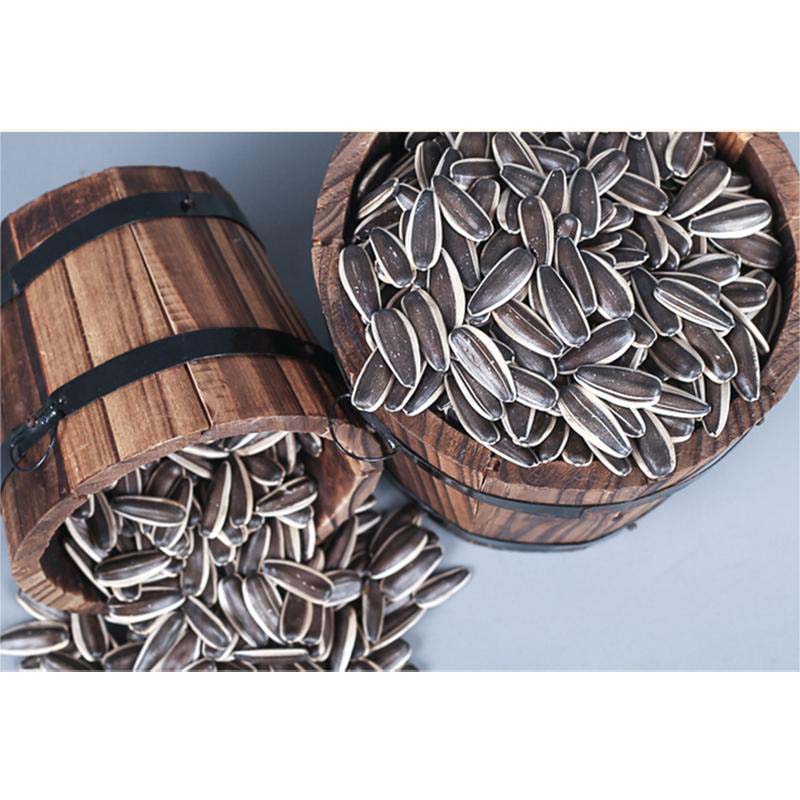
Muskmelon seeds, specifically those sourced from China, represent a critical input for global melon production. The price per kilogram is a key economic indicator for agricultural buyers, influenced by factors ranging from varietal purity and germination rates to logistical costs and international market demand. This technical guide details the complexities surrounding china muskmelon seeds price per kg, examining the underlying material science, manufacturing processes, performance characteristics, potential failure modes, and applicable industry standards. The focus is on hybrid varieties commonly exported, demanding meticulous quality control. Unlike open-pollinated varieties, hybrid seeds possess superior uniformity and yield potential, but also require stringent quality assurance throughout the production cycle. Understanding these intricacies is vital for procurement managers, agricultural engineers, and quality control personnel within the melon farming industry.
Material Science & Manufacturing
The core material science of muskmelon seeds centers on endosperm composition – primarily starches, proteins, and lipids – which dictate germination energy and seedling vigor. Seed coat structure, specifically the thickness and permeability of the testa and tegmen, profoundly impacts seed dormancy and susceptibility to fungal pathogens. Chinese muskmelon seed production relies heavily on hybrid vigor achieved through controlled pollination. Parental lines are carefully selected for desirable traits (disease resistance, fruit size, sugar content). Manufacturing begins with controlled pollination in isolated insect-proof environments (often greenhouses). Following maturation, seeds are harvested, dried to a specific moisture content (typically 8-10%), and subjected to rigorous cleaning and grading. Grading parameters include seed size (diameter in millimeters), weight (grams per 1000 seeds), and visual inspection for defects (broken seeds, insect damage, fungal contamination). Seed treatment with fungicides and insecticides is a common practice to protect against soilborne diseases and pests during germination. Precise parameter control during drying is crucial to avoid seed viability loss – exceeding 10% moisture content promotes fungal growth and reduces storage life. The use of advanced seed dryers with controlled temperature and humidity is paramount. Chemical compatibility of seed treatments with seed coat components is also critical, as certain formulations can inhibit germination.
Performance & Engineering
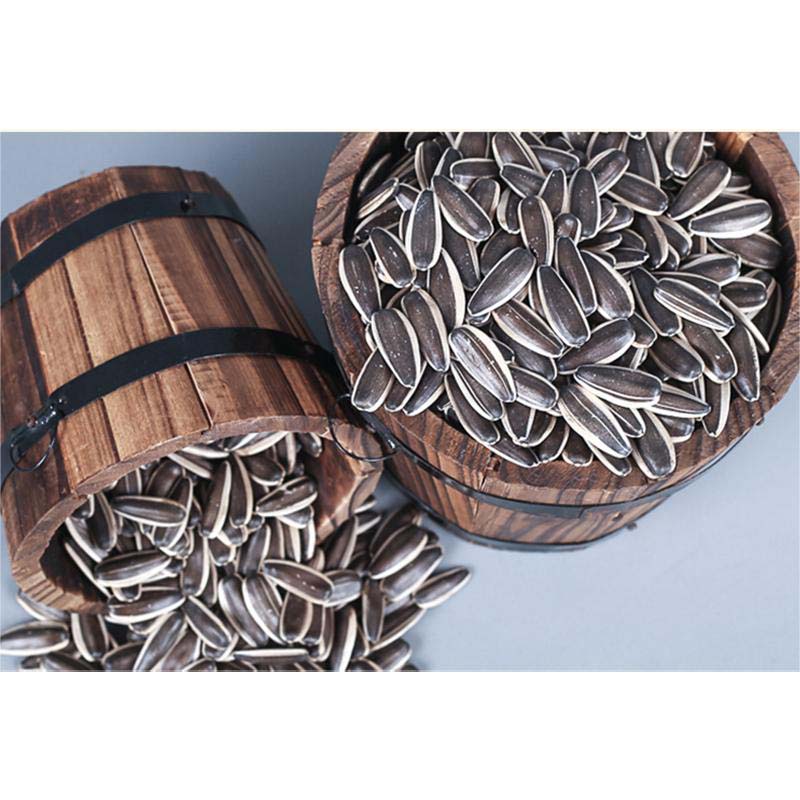
Performance evaluation of muskmelon seeds focuses on several key parameters. Germination rate, measured under controlled laboratory conditions (temperature, humidity, light exposure), is a primary indicator of seed quality. Germination energy (the percentage of seeds germinating within the first few days) is even more critical, reflecting seed vigor. Seedling vigor, assessed by measuring root length, shoot length, and fresh weight, indicates the seedling’s ability to establish itself in the field. Disease resistance, tested against common muskmelon pathogens (powdery mildew, fusarium wilt, anthracnose), is a crucial engineering consideration, reducing the need for costly chemical interventions. Varietal purity, verified through molecular markers (DNA fingerprinting), ensures that the seeds consistently produce the desired fruit characteristics. The mechanical strength of the seed coat, measured by compression testing, is important for preventing damage during handling and planting. Environmental resistance assessments involve subjecting seeds to simulated stress conditions (temperature fluctuations, drought, salinity) to evaluate their tolerance. Compliance requirements include adherence to phytosanitary regulations imposed by importing countries (seed health certification, quarantine protocols). Furthermore, genetic modifications (if any) must be disclosed and comply with relevant regulatory frameworks. Force analysis during seed handling and planting must account for shear and tensile stresses to minimize damage.
Technical Specifications
| Parameter | Unit | Standard Hybrid Variety | Lower Grade/Open Pollinated |
|---|---|---|---|
| Germination Rate | % | ≥ 90 | ≥ 80 |
| Germination Energy | % | ≥ 75 | ≥ 60 |
| 1000-Seed Weight | g | 150-200 | 100-150 |
| Moisture Content | % | 8-10 | >10 |
| Purity | % | ≥ 98 | <98 |
| Disease Resistance (Powdery Mildew) | Scale 1-5 (5=Excellent) | ≥ 4 | ≤ 3 |
Failure Mode & Maintenance
Muskmelon seeds are susceptible to several failure modes. Physiological deterioration, accelerated by high moisture content and temperature, leads to reduced germination rates. Mechanical damage during harvesting, processing, or handling (cracking, chipping) compromises seed viability. Fungal infections (e.g., Alternaria, Fusarium) can kill embryos or inhibit germination. Insect damage (e.g., seed beetles) can directly destroy seed tissue. Storage conditions are critical for preventing deterioration. Seeds should be stored in cool, dry, and dark environments (temperature <15°C, relative humidity <60%). Periodic viability testing (germination tests) is essential to monitor seed quality over time. Maintenance involves implementing strict quality control procedures throughout the production process, including careful seed selection, cleaning, drying, and packaging. Proper seed treatment with fungicides and insecticides can help prevent fungal and insect infestations. Rotation of seed treatments is recommended to prevent the development of resistance. Storage facilities should be regularly inspected for pests and moisture accumulation.
Industry FAQ
Q: What is the typical shelf life of high-quality hybrid muskmelon seeds, and how is it impacted by storage conditions?
A: Typically, high-quality hybrid muskmelon seeds retain 80-90% germination after 2-3 years under optimal storage conditions (cool, dry, dark). However, for every 1% increase in moisture content or 5°C increase in temperature, the storage life is significantly reduced. Long-term storage at room temperature and humidity can render seeds non-viable within a year.
Q: How do different seed treatments influence germination and seedling health, and what are the potential downsides of excessive chemical use?
A: Seed treatments with fungicides and insecticides protect against soilborne diseases and pests, improving germination and seedling establishment. However, excessive chemical use can inhibit germination, cause phytotoxicity, or disrupt the soil microbiome. Furthermore, the overuse of specific chemicals can lead to the development of pathogen resistance.
Q: What are the key differences between hybrid and open-pollinated muskmelon seeds in terms of performance, cost, and suitability for different farming practices?
A: Hybrid seeds offer superior uniformity, yield potential, and disease resistance but are typically more expensive and do not breed true (seeds from hybrid fruits will not produce the same characteristics). Open-pollinated seeds are less expensive but exhibit greater variability and lower yield. They are suitable for seed saving and traditional farming practices.
Q: What analytical techniques are used to assess seed quality beyond basic germination testing (e.g., tetrazolium testing, accelerated aging)?
A: Tetrazolium testing assesses seed viability by evaluating the activity of dehydrogenase enzymes in the embryo. Accelerated aging simulates long-term storage by exposing seeds to high temperature and humidity, accelerating deterioration. Further analyses include seedling vigor tests, electrical conductivity measurements (to assess membrane integrity), and DNA fingerprinting for varietal purity.
Q: How does seed size and weight correlate with seedling vigor and fruit yield, and are there optimal ranges for specific muskmelon varieties?
A: Generally, larger and heavier seeds contain more stored food reserves, resulting in more vigorous seedlings and potentially higher fruit yields. However, the optimal seed size and weight vary depending on the muskmelon variety. Smaller-seeded varieties may exhibit comparable performance if they possess superior genetics and seed quality.
Conclusion
China muskmelon seeds price per kg is intricately linked to the complex interplay of material science, rigorous manufacturing processes, and stringent performance characteristics. Maintaining optimal germination rates, seedling vigor, and disease resistance requires meticulous attention to detail throughout the entire seed production cycle, from parental line selection to storage conditions. A thorough understanding of potential failure modes and implementation of proactive maintenance strategies are crucial for ensuring consistent seed quality and maximizing agricultural productivity.
Future trends in muskmelon seed technology will likely focus on developing varieties with enhanced tolerance to abiotic stresses (drought, heat, salinity) and improved nutritional profiles. Furthermore, advancements in precision seed treatments and seed coating technologies will play an increasingly important role in optimizing germination and seedling establishment, ultimately impacting the price and availability of high-quality china muskmelon seeds.
