Introduction
China muskmelon seeds for eating, Cucumis melo var. reticulatus, represent a significant agricultural product within the cucurbit family. Their technical position resides within the pre-processing stage of the fresh produce supply chain and the specialized seed market. These seeds are valued not only for their potential to cultivate high-yield, desirable muskmelon varieties but also for direct consumption as a snack and a traditional food ingredient. Core performance characteristics include germination rate, genetic purity, seed vigor (measured by seedling growth rate and robustness), and freedom from seed-borne diseases. The industry faces increasing pressure to deliver seeds that exhibit enhanced resistance to common fungal pathogens, improved adaptability to varying climatic conditions, and consistent quality for both commercial growers and individual consumers. Maintaining a stable supply of high-quality seeds is critical for sustaining muskmelon production and meeting global demand.
Material Science & Manufacturing
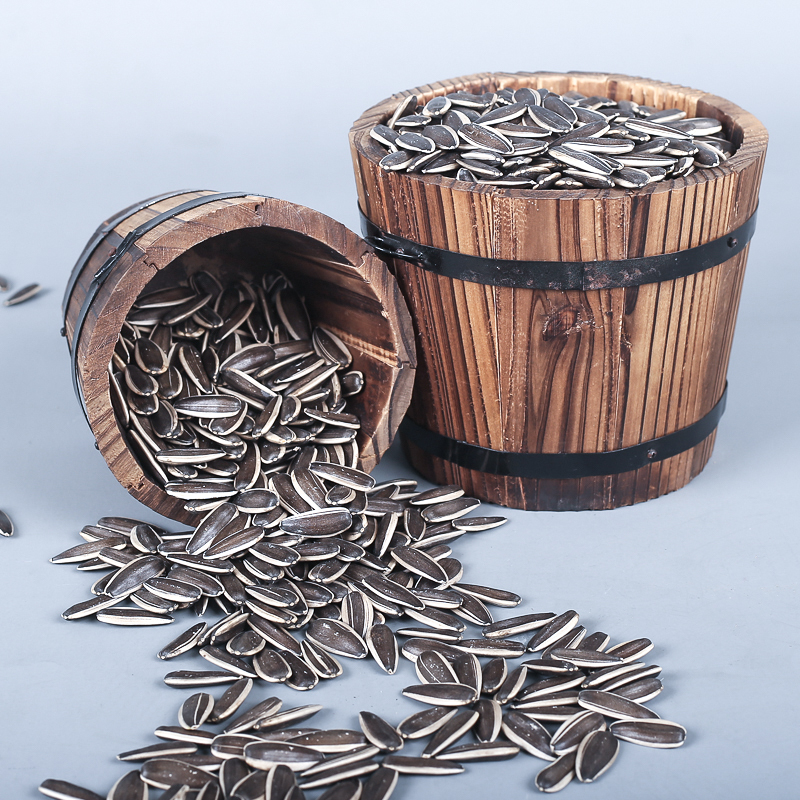
The raw material, the muskmelon fruit, undergoes a complex biological maturation process impacting seed quality. Seeds themselves are primarily composed of an embryo (the living part), endosperm (nutrient reserve, approximately 60-70% lipids, 20-30% proteins, and 10-20% carbohydrates), and a seed coat (testa, providing physical protection). The testa’s composition involves cellulose, hemicellulose, and lignin, affecting seed permeability and longevity. Manufacturing begins with fruit harvesting at physiological maturity. Seed extraction involves mechanical scooping and washing to remove pulp residue. Subsequent drying is a critical parameter – typically employing forced-air drying at temperatures not exceeding 40°C to preserve seed viability. Moisture content is reduced to approximately 7-8% for long-term storage. Cleaning and grading are performed using sieves and air separators to remove debris and categorize seeds by size and weight, indicating potential vigor. Seed treatment, often involving fungicide application (e.g., Thiram, Captan) is employed to prevent fungal infection during storage and germination. Parameter control focuses on maintaining consistent temperature and humidity throughout drying and storage, monitoring seed moisture content, and adhering to strict sanitation protocols during extraction and processing to minimize contamination. Chemical compatibility of seed treatments with seed coat composition is carefully monitored to prevent phytotoxicity.
Performance & Engineering
Performance hinges on the seed’s ability to germinate and produce a vigorous seedling. This is directly related to seed quality parameters. Germination rate, typically assessed under controlled laboratory conditions (25-30°C, 80-90% relative humidity), is a primary performance indicator. Seed vigor, a more comprehensive measure, is evaluated via accelerated aging tests (exposing seeds to elevated temperature and humidity to simulate aging) and seedling growth assessments. Environmental resistance encompasses tolerance to temperature fluctuations, drought stress, and salinity levels in the germination medium. Compliance requirements include adherence to phytosanitary regulations enforced by importing countries, preventing the spread of plant pathogens. From an engineering perspective, seed pelleting (coating seeds with clay, polymers, and nutrients) is employed to improve handling characteristics, enhance germination rates, and deliver targeted nutrients. The force analysis involved in seed pelleting considers the optimal coating thickness to balance protection with germination efficiency. Seed packaging materials are engineered for barrier properties (low oxygen and moisture permeability) to extend shelf life and prevent degradation. Proper storage conditions (low temperature and humidity) are crucial for maintaining seed viability and preventing enzymatic degradation.
Technical Specifications
| Parameter | Unit | Standard Specification (Commercial Grade) | Premium Grade |
|---|---|---|---|
| Germination Rate | % | ≥ 85 | ≥ 92 |
| Purity (Physical) | % | ≥ 98 | ≥ 99.5 |
| Moisture Content | % | ≤ 8 | ≤ 7 |
| Seed Vigor Index (Seedling Dry Weight) | mg | ≥ 20 | ≥ 28 |
| Inert Matter | % | ≤ 2 | ≤ 0.5 |
| Seed-borne Disease Incidence (Fusarium, Alternaria) | % | ≤ 1 | 0 |
Failure Mode & Maintenance
Failure modes for china muskmelon seeds for eating primarily relate to loss of viability. Common failures include: physiological deterioration due to improper storage (high temperature and humidity leading to lipid peroxidation and enzyme activation), mechanical damage during handling and processing (cracked seed coats reducing germination), seed-borne disease infection (fungal pathogens inhibiting germination), and genetic degradation over multiple generations (resulting in reduced vigor and yield). Failure analysis involves assessing seed coat integrity under microscopic examination, conducting germination tests under controlled conditions, and employing PCR-based assays to detect seed-borne pathogens. Maintenance of seed quality relies on proper storage protocols – airtight containers, low temperature (4-10°C), and low humidity (<60%). Regular monitoring of seed moisture content and periodic germination testing are essential. Seed treatment with appropriate fungicides and insecticides can prevent disease and pest infestations. Implementing a robust seed traceability system allows for identifying the source of failures and implementing corrective actions. Avoidance of prolonged exposure to sunlight and mechanical shock during handling is also crucial for maintaining seed integrity.
Industry FAQ
Q: What is the impact of seed coating on germination rate and seedling establishment?
A: Seed coating, specifically pelleting, can positively influence germination rate by providing a more uniform moisture environment and protecting the seed from mechanical damage. However, excessive coating thickness can impede germination. The coating material’s compatibility with the seed coat and the inclusion of beneficial nutrients are critical factors. Optimized pelleting improves seedling establishment by providing early access to essential nutrients and enhancing root development.
Q: How does seed age affect germination percentage and vigor?
A: Seed age is a primary determinant of germination percentage and vigor. As seeds age, physiological deterioration occurs, leading to a decline in enzyme activity, increased lipid peroxidation, and DNA damage. Germination percentage typically decreases linearly with increasing seed age. Seed vigor, a more sensitive indicator, declines more rapidly. Accelerated aging tests can predict the remaining shelf life and germination potential of older seed lots.
Q: What are the common seed-borne diseases affecting muskmelon and how are they managed?
A: Common seed-borne diseases include Fusarium wilt, Alternaria leaf spot, and Anthracnose. These pathogens can significantly reduce germination and seedling establishment. Management strategies include seed treatment with systemic fungicides, employing certified disease-free seeds, implementing strict sanitation practices during seed extraction and processing, and practicing crop rotation.
Q: What are the acceptable tolerance levels for inert matter and other crop seeds in a seed lot?
A: Acceptable tolerance levels for inert matter (e.g., stems, leaves, chaff) typically range from 0.5% to 2%, depending on the grade. The presence of other crop seeds (weed seeds) is strictly regulated, with tolerances generally ≤ 0.1% for prohibited weed seeds and ≤ 0.2% for common weed seeds. Higher levels of inert matter can reduce planting efficiency and seed density.
Q: What storage conditions are optimal for maintaining long-term seed viability?
A: Optimal storage conditions for long-term seed viability involve low temperature (4-10°C), low humidity (<60% relative humidity), and airtight packaging. These conditions minimize metabolic activity and enzymatic degradation. Regular monitoring of seed moisture content and periodic germination testing are essential to ensure continued viability. Avoidance of temperature fluctuations is also crucial.
Conclusion
China muskmelon seeds for eating represent a complex biological product requiring rigorous quality control throughout the entire production chain. From the careful selection of parent plants to the precise control of drying and storage parameters, each step influences seed viability, vigor, and ultimately, crop yield. Understanding the material science of the seed, the potential failure modes, and the applicable industry standards is paramount for ensuring consistent quality and meeting the demands of both commercial growers and consumers.
Future developments will likely focus on genetic engineering for enhanced disease resistance and abiotic stress tolerance, as well as improvements in seed coating technologies for optimized nutrient delivery and germination enhancement. Maintaining a robust seed certification system and adhering to international phytosanitary regulations will be crucial for facilitating global trade and ensuring the sustainable production of high-quality muskmelons.
