Introduction
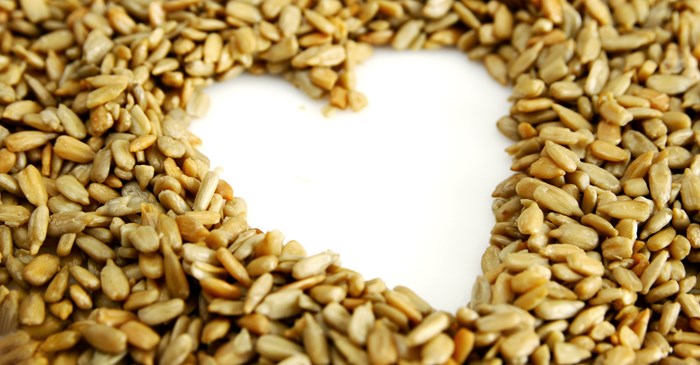
China muskmelon seeds, intended for edible purposes, represent a specialized agricultural product within the cucurbitaceae family. These seeds are not simply a byproduct of muskmelon cultivation but are specifically selected, processed, and prepared for direct human consumption. The industry chain begins with optimized muskmelon varietal selection focusing on seed size, oil content, and flavor profile. Subsequent stages involve harvesting, cleaning, drying, dehulling (often), grading, and packaging. Core performance characteristics revolve around nutritional value (protein, fats, carbohydrates, vitamins, and minerals), sensory attributes (taste, texture, aroma), safety parameters (microbial loads, absence of toxins, pesticide residues), and shelf life stability. The growing demand for healthy snacks and plant-based proteins fuels the increased prominence of edible muskmelon seeds in both domestic and international markets. Addressing concerns about aflatoxin contamination and ensuring consistent quality are key industry pain points.
Material Science & Manufacturing
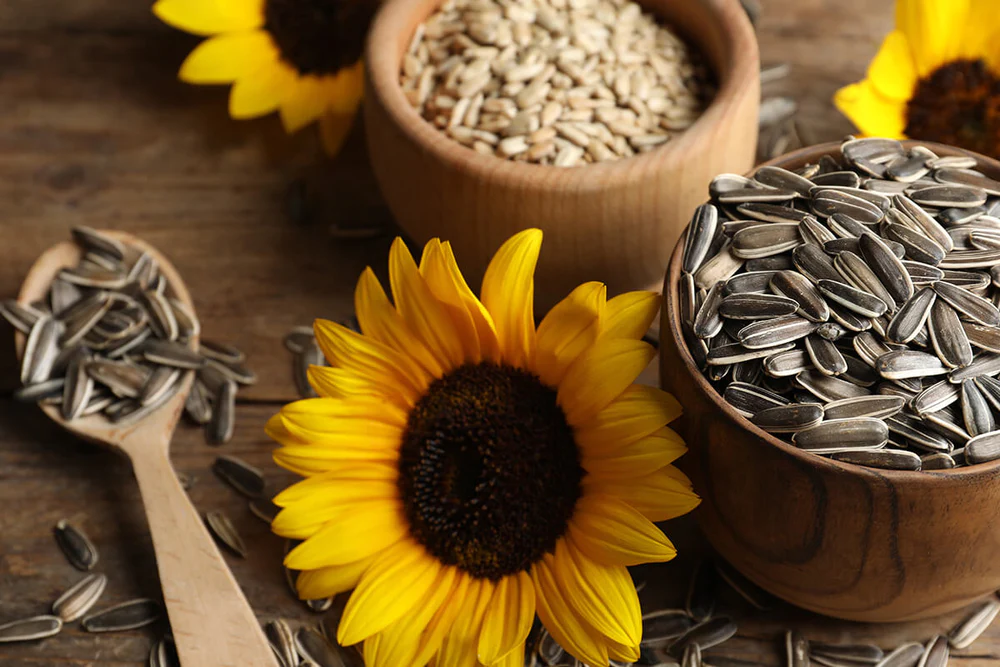
The raw material, muskmelon seeds, comprises a hard outer shell (seed coat) primarily composed of cellulose and lignin, providing physical protection. Internally, the cotyledons contain the majority of the oil, protein, and carbohydrates. Seed oil is rich in unsaturated fatty acids, particularly linoleic acid. Manufacturing begins with harvesting mature muskmelon fruits. Seeds are extracted, washed to remove pulp residues, and undergo drying – often employing low-temperature air drying to preserve oil quality and prevent rancidity. Dehulling, a critical process, removes the outer seed coat, enhancing palatability and digestibility. This can be achieved mechanically through abrasion or enzymatic methods. Parameter control during drying is paramount; moisture content must be reduced to below 8% to inhibit microbial growth and ensure adequate storage stability. Roasting is commonly employed to further enhance flavor and crispness, with temperature and time carefully monitored to avoid scorching or lipid oxidation. Packaging materials must provide a barrier against moisture, oxygen, and light to maintain product quality. Chemical compatibility between the seeds, packaging film (typically multi-layer polymers), and any processing aids is essential to prevent migration of undesirable compounds into the food product.
Performance & Engineering
The structural integrity of the seed, even after processing, is critical for handling and packaging. Force analysis during dehulling and roasting processes assesses the energy required for efficient operation and minimizes seed breakage. Environmental resistance focuses on maintaining seed quality under varying temperature and humidity conditions. Accelerated shelf-life testing is conducted to predict long-term stability. Compliance requirements include adherence to food safety regulations such as those established by the FDA (US Food and Drug Administration) and EFSA (European Food Safety Authority). Key parameters monitored include aflatoxin levels (a potent mycotoxin produced by Aspergillus fungi), pesticide residues, heavy metal content, and microbial contamination. Functional implementation involves optimization of roasting profiles to achieve desired flavor and texture characteristics while minimizing oil degradation. The particle size distribution of the roasted seeds influences mouthfeel and consumer acceptance. Furthermore, packaging design must account for compression resistance to prevent seed damage during transportation and storage. Moisture vapor transmission rate (MVTR) of the packaging material significantly impacts shelf life.
Technical Specifications
| Parameter | Unit | Specification | Test Method |
|---|---|---|---|
| Moisture Content | % (w/w) | ≤ 8.0 | AOAC 925.10 |
| Oil Content | % (w/w) | ≥ 35.0 | SOXTEC Method |
| Protein Content | % (w/w) | ≥ 25.0 | Kjeldahl Method |
| Aflatoxin B1 | ppb | ≤ 2.0 | HPLC-FLD |
| Peroxide Value (Oil) | meq O2/kg | ≤ 5.0 | AOCS Cd 8-53 |
| Acid Value (Oil) | mg KOH/g | ≤ 0.5 | AOCS Cd 3-63 |
Failure Mode & Maintenance
Common failure modes include rancidity due to lipid oxidation, leading to off-flavors and decreased nutritional value. This is exacerbated by exposure to oxygen, light, and elevated temperatures. Microbial spoilage, particularly mold growth (e.g., Aspergillus), can result in aflatoxin contamination, rendering the product unsafe for consumption. Physical damage, such as cracking or breakage during processing and handling, reduces visual appeal and increases susceptibility to oxidation. Seed coat delamination, especially after dehulling, can affect texture. Maintenance involves implementing strict quality control measures throughout the production process, including proper cleaning and sanitation of equipment, maintaining optimal drying and roasting conditions, utilizing appropriate packaging materials, and conducting regular aflatoxin testing. Proper storage conditions – cool, dry, and dark – are essential to prolong shelf life. Implementing a robust Hazard Analysis and Critical Control Points (HACCP) plan is crucial for preventing and controlling food safety hazards. Periodic inspection of packaging integrity is necessary to identify and address potential breaches in barrier protection.
Industry FAQ
Q: What are the primary concerns regarding aflatoxin contamination in muskmelon seeds, and what mitigation strategies are employed?
A: Aflatoxins are highly toxic metabolites produced by Aspergillus fungi, posing a significant health risk. Muskmelon seeds are susceptible to contamination during pre-harvest (in the field) and post-harvest (drying, storage) stages. Mitigation strategies include selecting muskmelon varieties with inherent resistance, employing proper agricultural practices to minimize fungal infection, rapid and thorough drying of seeds to reduce moisture content, implementing rigorous sorting and cleaning procedures to remove contaminated seeds, and conducting regular aflatoxin testing using sensitive analytical methods like HPLC-FLD. The industry often utilizes pre-harvest calcium sprays and post-harvest treatment with ozone to inhibit fungal growth.
Q: How does the dehulling process impact the nutritional profile and sensory attributes of the edible muskmelon seeds?
A: Dehulling removes the seed coat, which is relatively low in nutritional value and can impart a slightly bitter taste. Removing the seed coat increases the bioavailability of nutrients, particularly protein and oil. It also improves the texture, making the seeds more palatable and easier to chew. However, excessive dehulling can result in seed breakage and loss of some essential fatty acids. Optimization of the dehulling process, carefully controlling abrasion or enzyme treatment parameters, is crucial to maximize nutrient retention and sensory quality.
Q: What are the key differences between dry-roasted and oil-roasted muskmelon seeds in terms of their chemical composition and health benefits?
A: Dry-roasted seeds retain more of their natural nutrients and have a lower fat content compared to oil-roasted seeds. Oil-roasting increases the fat content and can alter the fatty acid profile, potentially introducing trans fats depending on the oil used. Dry-roasting generally preserves more antioxidant compounds. Oil-roasted seeds often have a more pronounced flavor and crispier texture, but may have a shorter shelf life due to increased lipid oxidation. The type of oil used in oil-roasting significantly affects the nutritional value and health implications.
Q: What types of packaging materials are most suitable for maintaining the quality and extending the shelf life of edible muskmelon seeds?
A: Multi-layer flexible packaging films incorporating aluminum foil or metallized polyester provide excellent barrier properties against moisture, oxygen, and light. Polypropylene (PP) or polyethylene (PE) liners offer additional protection. Modified atmosphere packaging (MAP) utilizing nitrogen flushing can further extend shelf life by reducing oxygen levels. The packaging material must be food-grade and compliant with relevant regulations. Consideration should be given to the MVTR and OTR (Oxygen Transmission Rate) of the packaging film to optimize shelf life and prevent rancidity.
Q: How do international standards influence the production and export of china muskmelon seeds edible?
A: International standards such as those set by the Codex Alimentarius Commission, FDA (US), and EFSA (Europe) establish maximum limits for contaminants (aflatoxins, pesticides, heavy metals) and define food safety requirements. ISO 22000 provides a framework for food safety management systems. Compliance with these standards is crucial for accessing international markets. Exporting countries must also adhere to the specific import regulations of the destination country, which may include additional testing requirements and certification protocols. GB standards (China) dictate domestic production requirements and often serve as a baseline for export quality control.
Conclusion
China muskmelon seeds intended for edible use represent a growing segment of the global snack food industry. Their nutritional profile, coupled with increasing consumer demand for healthy and plant-based protein sources, positions them for continued growth. However, maintaining consistently high quality and ensuring food safety, particularly regarding aflatoxin contamination, remain paramount challenges. Strict adherence to international standards, coupled with optimized manufacturing processes, robust quality control measures, and appropriate packaging solutions, are essential for unlocking the full potential of this agricultural product.
Future development should focus on breeding muskmelon varieties with enhanced seed quality characteristics, optimizing dehulling techniques to minimize nutrient loss, and exploring innovative packaging materials to further extend shelf life and reduce environmental impact. Continued research into the health benefits of muskmelon seed oil and protein could also drive market expansion. Investing in advanced analytical technologies for rapid and accurate aflatoxin detection is critical for ensuring product safety and building consumer trust.
