Introduction
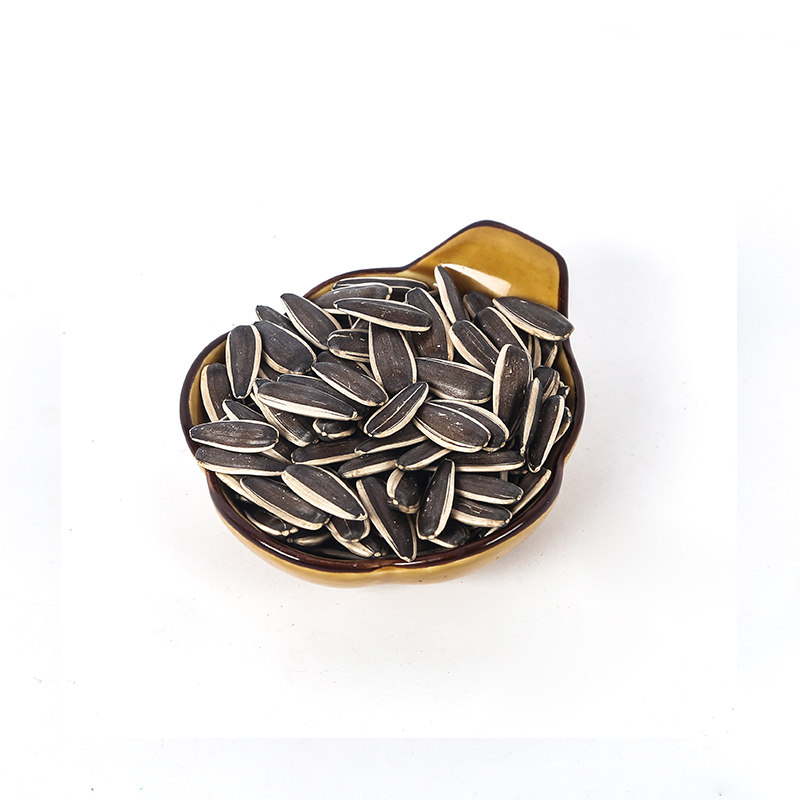
China muskmelon seeds, purchased online, represent a critical input for horticultural production, impacting yield, fruit quality, and market value. This technical guide provides an in-depth analysis of muskmelon seed characteristics, focusing on the parameters relevant to commercial cultivation. The industry faces challenges in ensuring seed viability, genetic purity, disease resistance, and optimal germination rates, particularly within the context of increasingly sophisticated agricultural practices and stringent consumer demands. This document details the seed's composition, manufacturing processes (selection, treatment, and packaging), performance metrics, potential failure modes, and relevant international standards, providing a comprehensive resource for procurement managers, agricultural engineers, and growers.
Material Science & Manufacturing
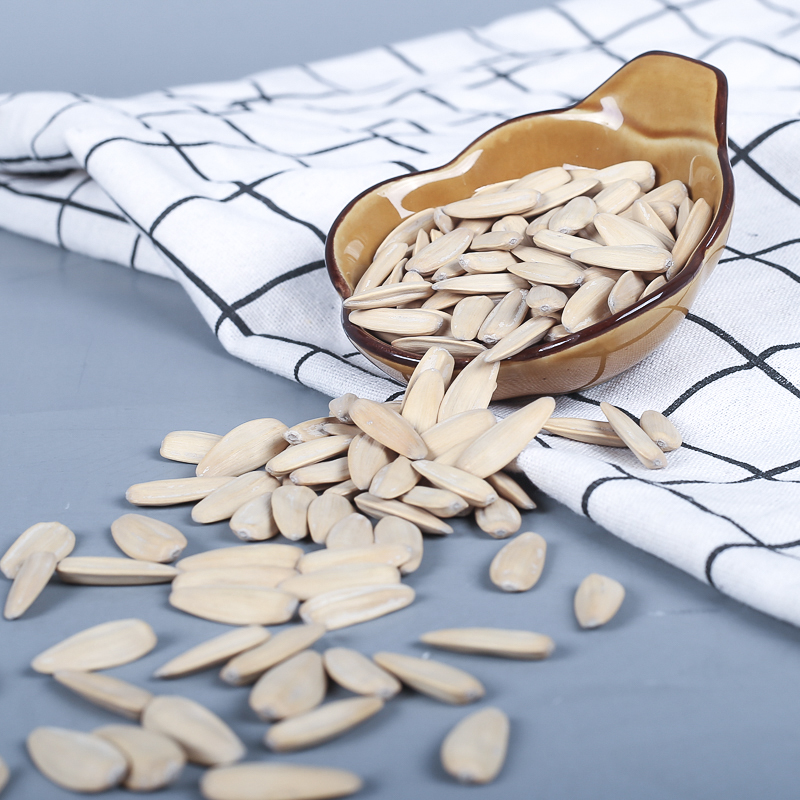
Muskmelon seeds ( Cucumis melo var. reticulatus) are comprised of three primary components: the embryo (the living part of the seed), the endosperm (a nutrient reserve), and the seed coat (protective outer layer). The embryo's viability is paramount, directly correlated with protein content and enzymatic activity. Seed coat composition, primarily cellulose and lignin, impacts water permeability and physical protection. Manufacturing begins with the careful selection of parent plants exhibiting desirable traits – high yield, disease resistance (powdery mildew, fusarium wilt), flesh quality (sugar content, texture), and fruit size. Seed extraction involves mechanical harvesting followed by cleaning and drying processes. Critical parameters during drying include temperature (maintained below 40°C to preserve viability) and moisture content (reduced to 7-8% for optimal storage). Seed treatment is a crucial step, often involving fungicide applications (e.g., thiram, captan) to protect against seed-borne and soil-borne pathogens. Polymer coating is increasingly common, offering controlled release of micronutrients and enhancing seed handling characteristics. Packaging employs moisture-proof materials (aluminum foil laminates) to maintain seed quality during storage and transportation. Seed dormancy is a critical factor, and some varieties require stratification (cold moist treatment) to break dormancy and promote uniform germination.
Performance & Engineering
The performance of muskmelon seeds is evaluated based on several key parameters. Germination rate, measured under controlled laboratory conditions (25-30°C, 80-90% relative humidity), is a primary indicator of seed quality. Seed vigor, assessed through seedling growth rate and root development, provides insight into the seed’s ability to establish a strong plant under field conditions. Genetic purity is crucial, verified through morphological marker analysis and molecular testing (e.g., PCR). Disease resistance, particularly to powdery mildew (Podosphaera xanthii) and Fusarium wilt (Fusarium oxysporum f. sp. melonis), is assessed through controlled inoculation studies. Environmental resistance – tolerance to salinity, drought, and temperature extremes – impacts crop performance in diverse growing regions. Seedling emergence force, a measure of the energy required for the radicle to penetrate the seed coat, is related to seed coat thickness and composition. Compliance requirements include adherence to phytosanitary regulations imposed by importing countries, ensuring the seeds are free from quarantine pests. Force analysis during seed processing (impact during cleaning, compression during coating) informs equipment design to minimize seed damage. Controlled environment chambers are used to assess the effects of varying light intensity, temperature, and humidity on seed germination and seedling development.
Technical Specifications
| Germination Rate (%) | Purity (%) | Moisture Content (%) | Seed Vigor Index (Seedling Dry Weight) |
|---|---|---|---|
| ≥ 85 | ≥ 98 | ≤ 8 | ≥ 60 |
| ≥ 90 (Hybrid Varieties) | ≥ 99 (Hybrid Varieties) | ≤ 7 | ≥ 75 (Hybrid Varieties) |
| ≥ 80 (Open-Pollinated Varieties) | ≥ 95 (Open-Pollinated Varieties) | ≤ 9 | ≥ 50 (Open-Pollinated Varieties) |
| Powdery Mildew Resistance (Races 1, 2, 3) | Fusarium Wilt Resistance (Race 0) | Seed Size (g/100 seeds) | 1000-Seed Weight (g) |
| Resistant/Intermediate | Resistant | 18-22 | 10-15 |
| Tetrazolium Test Viability (%) | Seed Coat Thickness (µm) | Endosperm Protein Content (%) | Oil Content (%) |
Failure Mode & Maintenance
Common failure modes for muskmelon seeds include low germination rates due to seed aging, mechanical damage during processing, or exposure to unfavorable storage conditions (high temperature, humidity). Seed-borne diseases (e.g., Alternaria spp., Phomopsis spp.) can also significantly reduce germination and seedling survival. Physical damage, such as cracking or chipping of the seed coat, compromises seed viability. Loss of seed vigor over time is a natural process linked to depletion of nutrient reserves and accumulation of metabolic by-products. Maintenance involves proper storage practices: maintaining low temperature (4-10°C) and humidity (50-60%) in airtight containers. Regular monitoring of seed quality through germination testing is essential. Implementing a seed health monitoring program, including pathogen detection assays, can prevent the introduction of diseases into the field. Avoiding excessive handling and impact during processing minimizes mechanical damage. For seeds treated with fungicides, adherence to recommended application rates and safety precautions is critical. Proper inventory management (first-in, first-out) minimizes the risk of using aged seeds.
Industry FAQ
Q: What is the acceptable tolerance for off-type plants in a hybrid muskmelon seed lot?
A: An acceptable tolerance for off-type plants in a hybrid muskmelon seed lot is generally less than 0.1%. Higher rates indicate a potential issue with genetic purity, which could stem from inadequate pollination control during hybrid seed production or seed mixing during processing and packaging. Rigorous quality control measures, including morphological marker analysis, are essential to ensure adherence to this standard.
Q: How does seed coating impact seedling emergence uniformity?
A: Seed coating, when properly formulated, can improve seedling emergence uniformity by enhancing water uptake and providing a readily available source of nutrients. However, excessively thick coatings can physically impede radicle emergence, leading to delayed or uneven germination. The coating material’s permeability and its compatibility with soil moisture levels are critical factors.
Q: What are the implications of high seed moisture content during storage?
A: High seed moisture content (>9%) during storage accelerates metabolic activity, leading to reduced seed viability and vigor. Increased respiration rates deplete nutrient reserves and generate heat, further accelerating deterioration. Furthermore, high moisture levels create a favorable environment for fungal growth and seed-borne disease development.
Q: How is disease resistance verified in muskmelon seeds?
A: Disease resistance is typically verified through controlled inoculation studies. Seedlings are grown under standardized conditions and deliberately inoculated with specific pathogen strains (e.g., Podosphaera xanthii for powdery mildew). The severity of disease development on resistant versus susceptible controls determines the level of resistance. Molecular markers linked to resistance genes are also increasingly used for screening.
Q: What are the phytosanitary requirements for importing muskmelon seeds into the United States?
A: Importing muskmelon seeds into the United States requires a phytosanitary certificate issued by the national plant protection organization of the exporting country. The certificate verifies that the seeds are free from quarantine pests specified by the USDA's Animal and Plant Health Inspection Service (APHIS). Specific requirements vary depending on the origin of the seeds and the intended use.
Conclusion
The successful cultivation of muskmelon hinges on the quality of the seeds utilized. This analysis demonstrates that optimizing seed performance requires meticulous attention to both the inherent material science of the seed itself—its genetic composition, physiological properties, and susceptibility to disease—and the precision of manufacturing processes, from careful plant selection and drying techniques to protective coatings and appropriate storage. Failure to address these factors can result in significant yield losses and compromised fruit quality.
Future advancements in muskmelon seed technology will likely focus on the development of varieties with enhanced disease resistance, improved tolerance to abiotic stresses (drought, salinity), and optimized germination characteristics. Furthermore, precision seed coating technologies, incorporating controlled-release fertilizers and biostimulants, will play an increasingly important role in maximizing seedling establishment and overall crop productivity. Continued adherence to stringent quality control measures and international standards will remain paramount to ensuring the reliability and consistency of muskmelon seed performance.
