Introduction
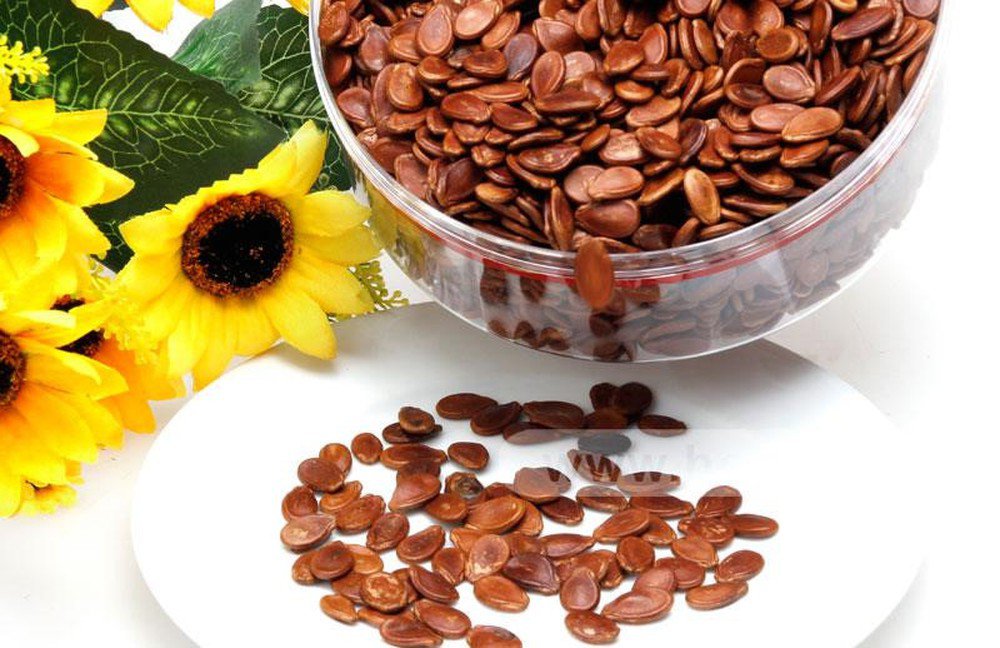
China mixed melon seeds represent a significant segment within the processed snack food industry, occupying a unique position as both a traditional confection and a globally traded commodity. These seeds, typically sourced from watermelon, cantaloupe, and other melon varieties, undergo a rigorous processing cycle involving cleaning, drying, roasting, and flavoring. Their technical importance lies in achieving consistent kernel quality, optimal moisture content for shelf-life stability, and adherence to food safety standards. Core performance characteristics center on palatability – encompassing texture, flavor profile, and the absence of undesirable attributes like rancidity or shell fragments – alongside nutritional value, primarily related to oil content and protein levels. The industry faces challenges related to consistent sourcing of high-quality seeds, efficient and scalable processing techniques, and meeting increasingly stringent regulatory requirements regarding aflatoxin levels and heavy metal contamination.
Material Science & Manufacturing
The primary raw material is melon seeds, specifically those of Citrullus lanatus (watermelon), Cucumis melo (cantaloupe, honeydew), and other related Cucurbitaceae species. Seed composition varies based on variety, growing conditions, and maturity stage. Typically, seeds comprise approximately 40-55% oil, 20-30% protein, 10-15% carbohydrates, and 5-10% moisture. The oil is rich in linoleic acid, an essential omega-6 fatty acid. Manufacturing begins with seed cleaning to remove debris, damaged kernels, and foreign matter. Drying is crucial, typically employing hot air drying at temperatures between 40-60°C to reduce moisture content to 5-7%, inhibiting microbial growth and enzymatic activity. Roasting, usually performed using rotary drum roasters or fluid bed roasters, develops flavor and texture. Temperature and duration are critical parameters, influencing the Maillard reaction and lipid oxidation. Flavoring involves coating the seeds with a blend of salt, spices (e.g., chili powder, five-spice powder), and sometimes sugar or glutamate. Parameter control focuses on consistent seed moisture, precise roasting temperature profiles (to avoid burning or under-roasting), and uniform seasoning application. Shell integrity and kernel size significantly impact processing efficiency and consumer acceptance. Seed coatings can be applied using tumbling or spray coating techniques, demanding precise control of coating solution viscosity and application rate.
Performance & Engineering
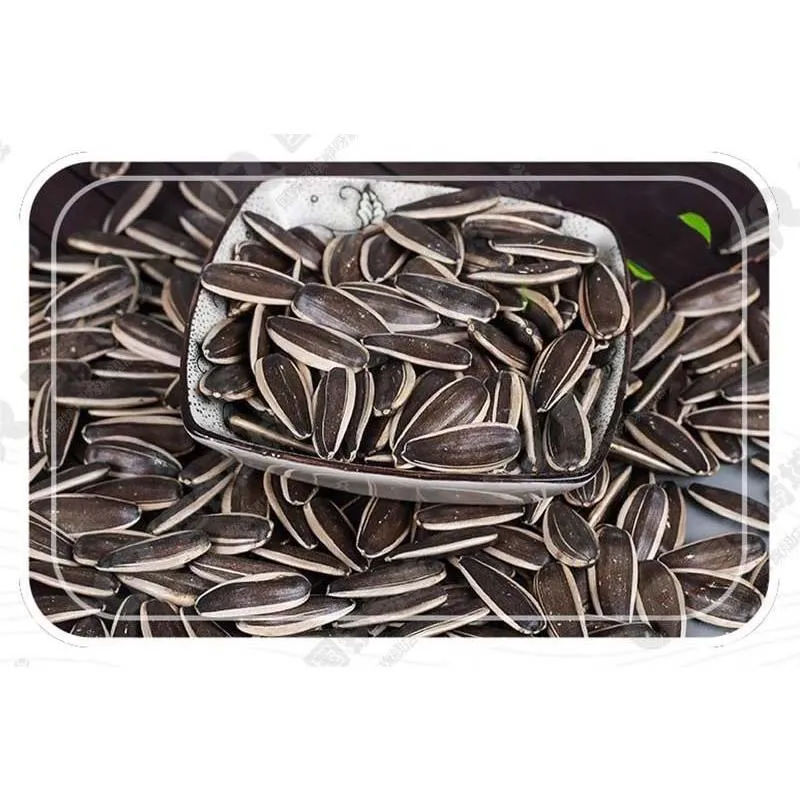
Performance assessment of mixed melon seeds centers on several key engineering and material science aspects. Force analysis is vital in determining shell strength and kernel breakage during processing and consumption. Shell strength is assessed using compression tests, measuring the force required to fracture the shell. Kernel breakage is quantified by sieving processed seeds and measuring the percentage of fragmented kernels. Environmental resistance is primarily related to moisture absorption and lipid oxidation. Packaging materials play a crucial role in minimizing these effects; barrier properties (water vapor transmission rate and oxygen transmission rate) are paramount. Compliance requirements include adherence to food safety regulations, particularly concerning aflatoxin levels (regulated by national and international bodies), heavy metal concentrations (lead, cadmium, arsenic), and pesticide residues. Functional implementation involves optimizing roasting parameters to achieve desired texture (crispness, crunchiness) and flavor development. The Maillard reaction, a non-enzymatic browning reaction between reducing sugars and amino acids, is crucial for flavor generation, but must be carefully controlled to avoid undesirable off-flavors. The engineering of seasoning application also impacts performance; achieving uniform coating distribution is essential for consistent taste. Lipid oxidation, a primary driver of rancidity, is mitigated through antioxidant addition and packaging techniques.
Technical Specifications
| Parameter | Specification (Watermelon Seed) | Specification (Cantaloupe Seed) | Testing Method |
|---|---|---|---|
| Moisture Content | ≤ 7.0% | ≤ 6.5% | Oven Drying (GB 5005-2008) |
| Oil Content | 45-55% | 40-50% | Soxhlet Extraction (GB/T 6086-2008) |
| Protein Content | 25-35% | 20-30% | Kjeldahl Method (GB/T 6436-2008) |
| Aflatoxin B1 | ≤ 2.0 µg/kg | ≤ 2.0 µg/kg | HPLC (GB 5005-2008) |
| Shell Breakage (%) | ≤ 5.0% | ≤ 6.0% | Sieving Analysis |
| Peroxide Value (PV) | ≤ 5.0 meq/kg | ≤ 4.0 meq/kg | Titration Method (GB/T 38208-2003) |
Failure Mode & Maintenance
Common failure modes in mixed melon seeds relate to both the product itself and its packaging. Rancidity, caused by lipid oxidation, is a primary degradation pathway, leading to off-flavors and reduced shelf life. This is accelerated by exposure to oxygen, light, and elevated temperatures. Shell cracking during processing or handling can lead to kernel damage and increased susceptibility to moisture absorption. Aflatoxin contamination, although a pre-harvest issue, can manifest during storage if proper sanitation and drying procedures are not followed. Packaging failure, such as punctures or seal breaches, allows for moisture ingress and oxidation, accelerating degradation. Maintenance strategies include controlled atmosphere storage (reducing oxygen levels), use of oxygen absorbers within packaging, and maintaining low storage temperatures. Regular monitoring of peroxide value and aflatoxin levels is crucial. Proper sanitation of processing equipment and storage facilities is essential to prevent microbial contamination. Packaging materials with high barrier properties (low OTR and WVTR) should be employed. Seed quality control at the sourcing stage, including assessing seed maturity and minimizing pre-harvest contamination, is paramount. Preventative maintenance of roasting and seasoning equipment ensures consistent processing and minimizes mechanical damage to the seeds.
Industry FAQ
Q: What are the primary challenges in maintaining consistent aflatoxin levels in mixed melon seeds?
A: Aflatoxin contamination is primarily a pre-harvest issue, influenced by fungal growth (Aspergillus species) in the field. Consistent levels require rigorous sourcing protocols, focusing on suppliers with established quality control systems and adherence to Good Agricultural Practices (GAP). Proper drying of seeds immediately after harvest is critical to inhibit fungal growth. Regular testing of incoming raw materials and finished products using HPLC is essential for monitoring and compliance.
Q: How does the roasting process impact the nutritional value of the seeds?
A: Roasting can lead to some loss of heat-sensitive nutrients, such as certain vitamins. However, it also enhances the bioavailability of other nutrients and improves digestibility. Careful control of roasting temperature and duration is crucial to minimize nutrient loss while maximizing flavor development. The Maillard reaction, though enhancing flavor, can also reduce the availability of lysine, an essential amino acid.
Q: What packaging materials are most effective for extending the shelf life of mixed melon seeds?
A: Multi-layer films incorporating aluminum foil or metallized polyester offer excellent barrier properties against oxygen and moisture. High-density polyethylene (HDPE) or polypropylene (PP) containers with airtight seals are also commonly used. Vacuum packaging or modified atmosphere packaging (MAP) using nitrogen gas further extends shelf life by reducing oxygen levels.
Q: What are the key considerations when selecting a seasoning blend for mixed melon seeds?
A: Seasoning blend selection must consider flavor profile preferences, regional variations, and regulatory requirements regarding permitted food additives. Salt content, spice levels, and the use of monosodium glutamate (MSG) must be carefully controlled. The blend should be free from allergens and contaminants. Adhesion properties of the seasoning to the seed surface are also important for consistent flavor distribution.
Q: How can we ensure uniform coating of the seasoning blend onto the seeds?
A: Achieving uniform coating requires precise control of the seasoning solution viscosity, application rate, and tumbling speed (if using a tumbling coater). Spray coating techniques require careful optimization of nozzle type and spray pressure. Pre-heating the seeds can improve adhesion. Monitoring coating weight and visual inspection are essential for quality control.
Conclusion
China mixed melon seeds represent a technically nuanced food product, demanding rigorous control throughout the entire value chain – from seed sourcing and processing to packaging and storage. Maintaining consistent quality, ensuring food safety (particularly regarding aflatoxins), and optimizing flavor and texture require a deep understanding of material science, engineering principles, and regulatory compliance.
Future advancements in this industry are likely to focus on improved seed varieties with higher oil content and lower susceptibility to aflatoxin contamination, more efficient and sustainable processing techniques, and innovative packaging solutions that further extend shelf life and maintain product freshness. The integration of data analytics and process automation will also play an increasingly important role in optimizing production and quality control.
