Introduction
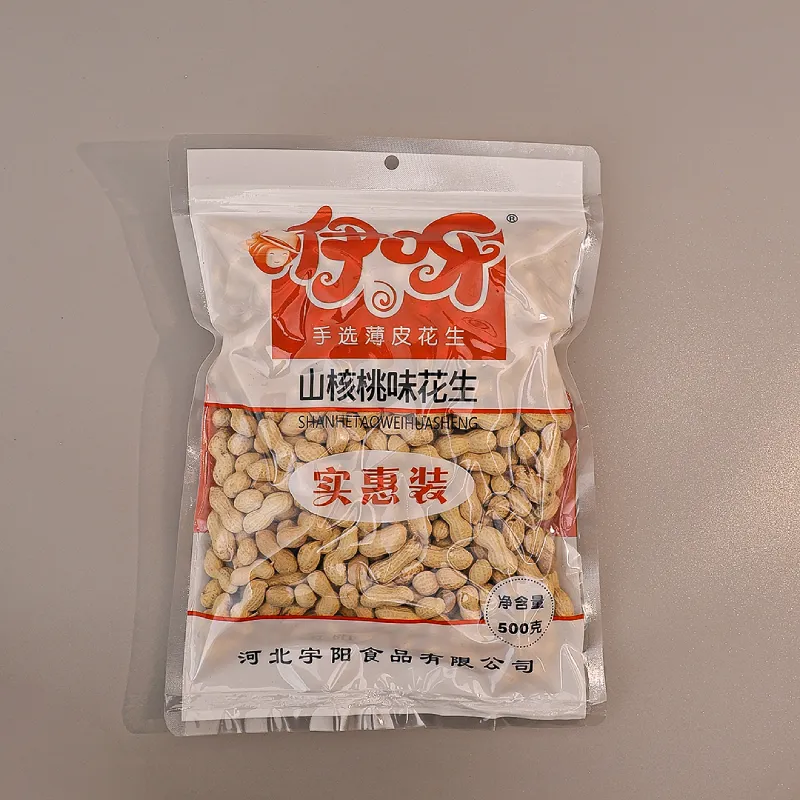
China melon seeds ( Cucurbita pepo var. pepo) represent a significant agricultural product within the Chinese snack food industry. Technically positioned as a processed oilseed, these seeds undergo harvesting, cleaning, drying, and often roasting or flavoring. Core performance characteristics center around oil content, protein content, and sensory attributes—specifically texture (crispness) and flavor profile. The seeds are consumed directly as a snack or used as an ingredient in confectionary products. Industry challenges revolve around maintaining consistent seed quality, optimizing processing parameters to maximize yield and flavor development, and adhering to stringent food safety regulations regarding mycotoxin contamination and heavy metal levels. The product’s competitiveness relies heavily on cultivar selection, post-harvest handling, and processing technology.
Material Science & Manufacturing
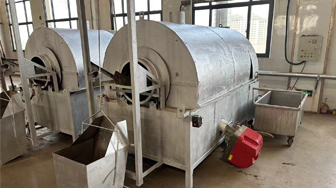
The raw material, china melon seeds, consists primarily of an endosperm rich in lipids (35-50% by weight), proteins (25-30%), carbohydrates (10-15%), and fiber. The seed coat, a complex multi-layered structure, contributes significantly to textural properties. The lipid composition predominantly includes linoleic acid (an omega-6 fatty acid) and oleic acid (an omega-9 fatty acid). Manufacturing begins with harvesting at physiological maturity. Cleaning processes employ sieving, destoning, and density separation to remove debris and damaged seeds. Drying, typically utilizing hot air ovens, reduces moisture content to around 8-10% to prevent microbial growth and facilitate storage. Roasting, a critical parameter-controlled step, involves heating seeds at temperatures ranging from 120-180°C for 10-30 minutes. Roasting temperature directly influences oil oxidation, color development (Maillard reaction), and crispness. Flavoring, often involving salt, spices, or coatings, is applied post-roasting. Key parameter control involves monitoring seed moisture content throughout the process, maintaining precise roasting temperatures, and ensuring consistent flavoring application. Varietal differences in seed coat thickness and oil composition significantly impact processing parameters and final product quality.
Performance & Engineering
Performance of china melon seeds as a snack food is largely dictated by textural properties, specifically crispness, and resistance to breakage during consumption. Force analysis demonstrates that optimal crispness correlates with a specific fracture force and propagation rate when the seed is subjected to a compressive load. Environmental resistance is primarily related to lipid oxidation, leading to rancidity. Packaging plays a crucial role in minimizing oxygen exposure and preventing moisture ingress. Compliance requirements are governed by national food safety standards concerning pesticide residues, heavy metal concentrations (lead, cadmium, arsenic), and mycotoxin levels (aflatoxins). Functional implementation of flavoring systems requires precise control over coating uniformity and adhesion. The seeds’ inherent fragility necessitates careful handling during processing and packaging to minimize breakage. Furthermore, the oil content influences shelf life and requires stabilization strategies such as the addition of antioxidants (e.g., vitamin E) to retard oxidation.
Technical Specifications
| Moisture Content (%) | Oil Content (%) | Protein Content (%) | Free Fatty Acidity (as Oleic Acid) (%) |
|---|---|---|---|
| ≤ 8.0 | 38-45 | 26-32 | ≤ 0.5 |
| ≤ 7.0 (for long-term storage) | 40-50 (depending on cultivar) | 28-35 | ≤ 0.3 (Premium Grade) |
| 8.0-9.0 (acceptable range) | 35-40 | 24-28 | 0.5-0.8 (Standard Grade) |
| ≤ 6.5 | 42-48 | 30-34 | ≤ 0.2 (Organic Certified) |
| 8.5-9.5 (marginal acceptable) | 32-37 | 22-26 | 0.8-1.2 (Reject Grade) |
| ≤ 8.0 | 39-46 | 27-33 | ≤ 0.4 (Salted/Flavored varieties) |
Failure Mode & Maintenance
Failure modes in china melon seeds primarily manifest as rancidity (oxidative degradation of lipids), textural degradation (loss of crispness), and physical damage (cracking/breakage). Rancidity, characterized by off-flavors, is accelerated by exposure to oxygen, light, and elevated temperatures. Textural degradation arises from moisture absorption, leading to a loss of crispness, or from excessive roasting causing seed structure collapse. Physical damage is induced by mechanical stress during processing, packaging, and transportation. Failure analysis reveals that seed coat integrity is crucial for preventing moisture uptake and maintaining crispness. Maintenance strategies involve optimized packaging with barrier properties (oxygen and moisture), storage at low temperatures (4-10°C) and controlled humidity (≤ 60%), and careful handling to minimize mechanical stress. Regular monitoring of free fatty acidity and peroxide value provides an indication of lipid oxidation levels. Antioxidant addition (e.g., tocopherols) can extend shelf life by inhibiting oxidation. Implementing a first-in, first-out (FIFO) inventory management system is crucial to minimize storage duration and prevent degradation.
Industry FAQ
Q: What are the critical control points for mycotoxin contamination in china melon seeds?
A: Critical control points include pre-harvest monitoring of fungal infection in the melon plants, careful harvesting during dry conditions to minimize mold growth, thorough cleaning and sorting to remove damaged seeds, and appropriate storage conditions (low moisture, temperature, and humidity). Regular testing for aflatoxins (B1, B2, G1, G2) is also essential throughout the process.
Q: How does the roasting process impact the nutritional profile of the seeds?
A: Roasting can lead to a slight reduction in certain heat-sensitive vitamins (e.g., thiamine) but increases the bioavailability of some nutrients. The Maillard reaction during roasting generates flavor compounds and melanoidins, which possess antioxidant properties. However, excessive roasting can degrade unsaturated fatty acids and form harmful compounds.
Q: What are the primary differences between conventionally grown and organically certified china melon seeds?
A: Organically certified seeds are grown without the use of synthetic pesticides, herbicides, and fertilizers. They must adhere to strict organic farming practices and undergo rigorous certification processes. Heavy metal and pesticide residue levels are typically lower in organic seeds. However, yield and seed size may vary compared to conventionally grown seeds.
Q: What packaging materials are most effective for extending the shelf life of roasted and seasoned china melon seeds?
A: Multi-layer packaging films incorporating aluminum foil or metallized PET (polyethylene terephthalate) provide excellent barrier properties against oxygen and moisture. Modified atmosphere packaging (MAP) with nitrogen flushing can further reduce oxidation. Resealable pouches are preferred to maintain product freshness after opening.
Q: What is the impact of seed coat thickness on the final product’s texture?
A: Thicker seed coats generally contribute to a more robust and satisfyingly crisp texture. They provide greater resistance to breakage during processing and consumption. However, excessively thick seed coats may reduce the palatability of the seed and increase processing difficulty. Cultivar selection plays a key role in determining seed coat thickness.
Conclusion
China melon seeds, as a processed oilseed snack, are subject to a complex interplay of material science, manufacturing controls, and performance requirements. Maintaining optimal oil content, ensuring textural integrity through careful roasting, and rigorously adhering to food safety standards are paramount for producing a high-quality product. Understanding the potential failure modes – primarily rancidity and textural degradation – and implementing appropriate preventative measures, including optimized packaging and storage conditions, is vital for maximizing shelf life and consumer satisfaction.
Future trends will likely focus on developing novel cultivars with enhanced oil profiles and improved processing characteristics. Further research into natural antioxidants and innovative packaging technologies will play a crucial role in extending shelf life and minimizing lipid oxidation. Furthermore, addressing consumer demand for healthier snack options will drive innovation in flavoring and seasoning formulations, emphasizing reduced sodium content and natural ingredients.
