Introduction
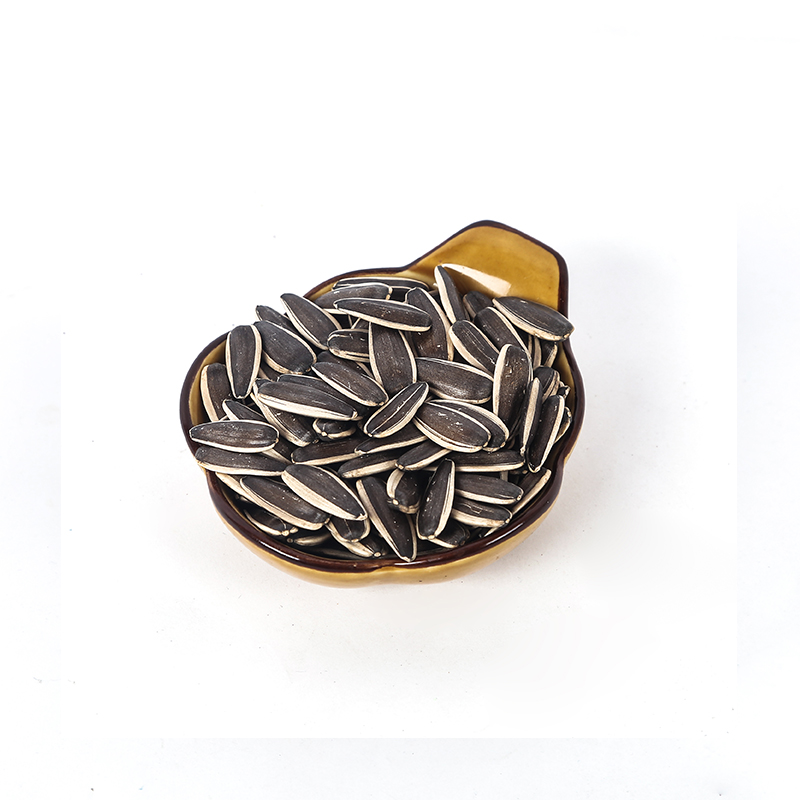
China melon seeds, specifically those prepared for consumption as a snack food, represent a significant segment of the agricultural processing industry. These seeds, predominantly sourced from various Cucumis melo cultivars, undergo specialized processing to enhance palatability and nutritional value. Their position within the food chain is post-harvest, requiring careful handling, cleaning, dehulling (in many cases), roasting, seasoning, and packaging. Core performance characteristics revolve around seed integrity (absence of damage or immature development), oil content, protein composition, flavor profile, and adherence to stringent food safety regulations. The industry faces key pain points related to consistent seed quality from variable harvests, efficient and sanitary processing techniques, minimizing acrylamide formation during roasting, and maintaining long-term storage stability without rancidity. This guide provides an in-depth technical overview of China melon seeds for sale, addressing material science, manufacturing processes, performance metrics, failure modes, and relevant industry standards.
Material Science & Manufacturing
The raw material, melon seeds, comprises a seed coat (testa), a kernel (cotyledon), and an embryo. The testa’s composition consists primarily of cellulose and lignin, providing structural integrity. The kernel is rich in oil (typically 40-60% by weight), predominantly unsaturated fatty acids like linoleic acid (omega-6) and oleic acid (omega-9). Protein content varies between 20-30%, consisting of globulins, albumins, and prolamins. Carbohydrates, predominantly starch, comprise the remainder. Manufacturing begins with harvesting mature melons. Seeds are extracted, washed to remove adhering pulp, and dried to a moisture content of approximately 8-10% to inhibit mold growth. A critical step is dehulling, often achieved mechanically via abrasion or impact. Hulling efficiency significantly impacts final product quality; incomplete hulling results in a less desirable texture. Roasting, usually conducted at 140-180°C, develops the characteristic flavor. Temperature control is paramount; excessive temperatures induce acrylamide formation, a health concern. Seasoning, typically involving salt, spices, and sometimes sugar, follows roasting. Parameter control during roasting – temperature, time, airflow – is achieved through PID controllers integrated into industrial roasting equipment. Packaging utilizes materials providing a moisture barrier and protecting against oxidation (e.g., multilayer films composed of PET/PE/Aluminum). Batch processing is common, requiring rigorous sanitation protocols to prevent cross-contamination.
Performance & Engineering
Performance analysis centers on assessing the seeds’ physical and chemical properties after processing. Shear force analysis is employed to evaluate the texture (hardness/brittleness) of roasted seeds. Water activity (aw) is a critical parameter; maintaining aw below 0.6 prevents microbial growth. Oil stability, measured via Rancimat testing, indicates resistance to oxidative degradation. Fatty acid profiles are determined using gas chromatography-mass spectrometry (GC-MS) to verify nutritional content and identify potential contaminants. Environmental resistance concerns primarily relate to moisture uptake and oxygen permeability of packaging materials. Compliance requirements include adherence to China’s national food safety standards (GB standards), specifically GB 50096-2016 (Food Safety National Standard – Limits of Mycotoxins in Foods) and GB 2762-2012 (National Food Safety Standard – Limits of Contaminants in Foods). Functional implementation involves optimizing roasting profiles to maximize flavor development while minimizing acrylamide. This requires modeling the heat transfer within the seed kernel and adjusting roasting parameters accordingly. Force analysis during dehulling determines the energy required for efficient separation of the hull from the kernel, informing machinery design and operational parameters.
Technical Specifications
| Parameter | Unit | Typical Value | Test Method |
|---|---|---|---|
| Moisture Content | % (w/w) | 6-8 | GB/T 5005-2008 (Oven Drying) |
| Oil Content | % (w/w) | 45-55 | GB/T 5009-2008 (Soxhlet Extraction) |
| Protein Content | % (w/w) | 22-28 | Kjeldahl Method (GB/T 6436-2002) |
| Water Activity (aw) | - | < 0.6 | Water Activity Meter (e.g., Novasina) |
| Acrylamide Content | µg/kg | < 100 | GC-MS (GB 50096-2016) |
| Peroxide Value | meq O2/kg | < 5 | Titration Method (GB/T 38208-2003) |
Failure Mode & Maintenance
Failure modes in China melon seeds for sale primarily manifest as rancidity (oxidative degradation of oils), textural defects (stale or overly brittle seeds), and microbial contamination. Rancidity arises from exposure to oxygen and elevated temperatures, leading to the formation of off-flavors and reduced nutritional value. Preventing this necessitates airtight packaging and appropriate storage conditions (cool, dry, dark). Textural defects can result from improper roasting (under-roasting leads to soft seeds; over-roasting leads to brittle seeds) or moisture absorption. Maintenance of roasting equipment is critical; regular cleaning prevents buildup of seed residue that can contribute to off-flavors. Microbial contamination, although less common due to the roasting process, can occur from inadequate sanitation during processing or compromised packaging. Preventative maintenance includes regular sanitation audits, employee hygiene training, and proper packaging material selection. Another failure mode is hull fragments remaining in the final product, impacting palatability. Improving dehulling efficiency and implementing quality control checks are essential. Long-term storage can also lead to vitamin degradation, particularly Vitamin E, affecting nutritional value. Adding antioxidants to the packaging can mitigate this effect.
Industry FAQ
Q: What is the optimal moisture content range for storing raw melon seeds before processing?
A: The optimal moisture content range for storing raw melon seeds is 8-10%. Maintaining this range inhibits mold growth and enzymatic activity, preserving seed viability and quality. Moisture content exceeding 12% significantly increases the risk of spoilage, while levels below 7% can lead to cracking and reduced germination rates if the seeds are intended for planting.
Q: How can acrylamide formation during roasting be effectively minimized?
A: Acrylamide formation is minimized by carefully controlling roasting temperature and time. Roasting at lower temperatures (140-160°C) for longer durations generally results in lower acrylamide levels compared to high-temperature, short-duration roasting. Maintaining adequate airflow and monitoring seed color during roasting are also crucial. Addition of asparaginase enzyme can reduce asparagine levels, a precursor to acrylamide.
Q: What packaging materials offer the best barrier properties for preserving the quality of roasted melon seeds?
A: Multilayer films composed of PET (polyethylene terephthalate), PE (polyethylene), and aluminum foil offer the best barrier properties against moisture, oxygen, and light. The aluminum foil layer provides an excellent oxygen barrier, preventing rancidity. PET provides mechanical strength, while PE offers heat sealability. Modified atmosphere packaging (MAP) with nitrogen flushing can further enhance preservation.
Q: What quality control tests are essential to ensure the safety and consistency of the final product?
A: Essential quality control tests include moisture content analysis, oil content determination, protein content analysis, water activity measurement, acrylamide testing, peroxide value assessment (to measure rancidity), and microbial testing. Sensory evaluation (taste, aroma, texture) is also crucial for assessing product quality.
Q: What is the significance of the Rancimat test, and what parameters are evaluated?
A: The Rancimat test measures the oxidation stability of oils in the seeds. It determines the induction time, which is the time it takes for oxidation to begin. A longer induction time indicates greater oxidative stability and a longer shelf life. Parameters evaluated include the rate of oxidation, the formation of volatile oxidation products, and the overall resistance to rancidity.
Conclusion
China melon seeds for sale represent a complex interplay of agricultural sourcing, advanced processing techniques, and stringent quality control measures. Optimizing each stage – from harvesting and drying to roasting, seasoning, and packaging – is crucial for delivering a safe, palatable, and nutritionally valuable product. Understanding the material science of the seed itself, including oil composition and protein structure, allows for targeted processing adjustments to enhance flavor and minimize undesirable byproducts like acrylamide.
Future advancements will likely focus on optimizing dehulling efficiency, developing novel seasoning formulations with enhanced antioxidant properties, and implementing real-time monitoring of roasting parameters using advanced sensor technologies. Compliance with evolving food safety regulations and consumer demand for natural, healthy snacks will remain central to the industry’s success. Continued research into packaging materials offering improved barrier properties and extended shelf life will also be essential for maintaining product quality and reducing waste.
