Introduction
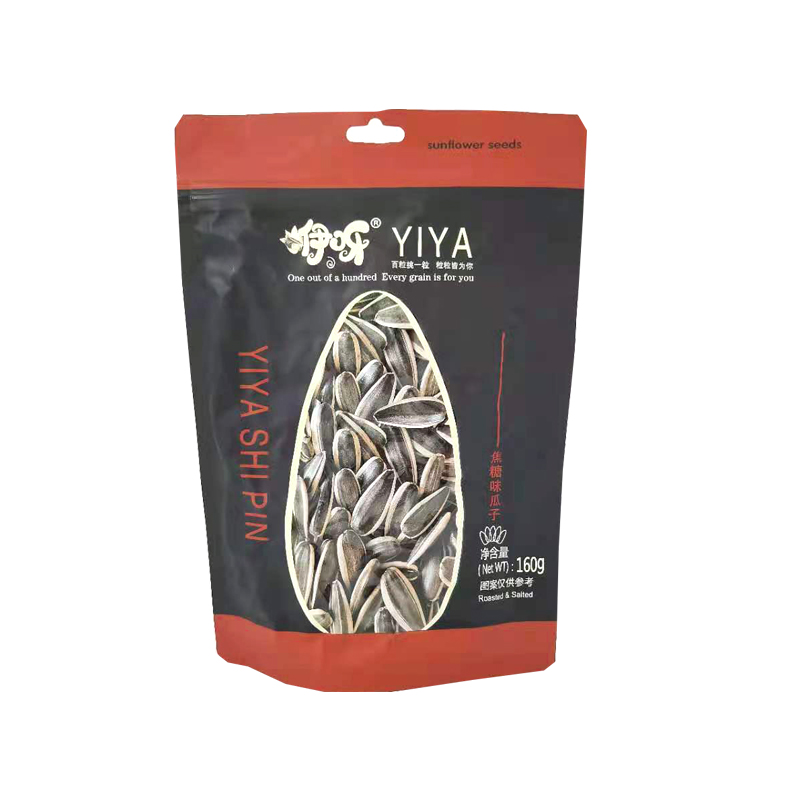
China melon seeds for eating, Cucurbita pepo var. melone, represent a significant agricultural product and snack food commodity. Positioned within the broader seed and nut industry, these seeds are derived from various melon cultivars, primarily those cultivated for their fleshy fruits. The seeds undergo post-harvest processing involving cleaning, drying, and typically roasting with seasoning, transforming them into a commercially viable snack. Core performance characteristics revolve around oil content, protein levels, crispness, flavor profile, and adherence to stringent food safety regulations. These seeds are often consumed as a leisure snack, traditionally during social gatherings, and their growing popularity necessitates a detailed understanding of their properties, manufacturing, and quality control.
Material Science & Manufacturing
The raw material, melon seeds, comprises a complex biological structure. The seed coat (testa) is primarily composed of cellulose, hemicellulose, and lignin, providing a protective outer layer. Internally, the cotyledons contain the majority of the seed’s oil content (typically 40-55% by weight), primarily unsaturated fatty acids such as linoleic acid (omega-6) and oleic acid (omega-9). Protein content ranges from 20-30%, consisting of globulins, albumins, and other seed storage proteins. Manufacturing begins with seed extraction from mature melons. This is followed by thorough cleaning to remove fruit pulp and debris. The crucial drying stage reduces moisture content to approximately 8-10%, inhibiting microbial growth and facilitating roasting. Roasting, generally conducted at 120-180°C, is a critical process parameter; insufficient roasting leads to a bland flavor and poor texture, while excessive roasting causes burning and development of off-flavors. Seasoning, involving the application of salt, spices (e.g., chili powder, cumin), and occasionally flavor enhancers, is typically performed post-roasting. Parameter control during drying and roasting – temperature, duration, and air circulation – are paramount to achieving consistent quality and safety. The seeds are particularly susceptible to rancidity due to their high unsaturated fat content, necessitating packaging in airtight containers with nitrogen flushing to minimize oxidation.
Performance & Engineering
The engineering performance of processed melon seeds is defined by several factors. Shear force analysis during consumption dictates the perceived “crispness” – optimal values require sufficient brittleness without fragmentation into powdery particles. This is directly correlated with moisture content and roasting parameters. Oxidative stability, a critical aspect of shelf-life, is assessed via Rancimat testing, measuring the induction period before significant peroxide value increase. The seeds’ susceptibility to lipid oxidation is influenced by the degree of unsaturation of fatty acids and the presence of antioxidants. Environmental resistance pertains primarily to moisture absorption. Hygroscopicity, quantified by water activity measurements, determines the susceptibility to microbial spoilage. Packaging materials with low water vapor transmission rates (WVTR) are essential. Compliance requirements include adherence to food safety standards (see section 7), including limits on heavy metal contamination (lead, cadmium) and pesticide residues, assessed via atomic absorption spectroscopy and gas chromatography-mass spectrometry (GC-MS), respectively. Furthermore, regulations dictate permissible levels of acrylamide, a potential byproduct of roasting, which is quantified via GC-MS.
Technical Specifications
| Parameter | Unit | Typical Value | Test Method |
|---|---|---|---|
| Moisture Content | % (w/w) | 8-10 | Oven Drying (GB 5005-2008) |
| Oil Content | % (w/w) | 45-55 | Soxhlet Extraction (GB/T 6492-2008) |
| Protein Content | % (w/w) | 20-30 | Kjeldahl Method (GB/T 6437-2002) |
| Acid Value | mg KOH/g | < 2.0 | Titration (GB/T 5131-2008) |
| Peroxide Value | meq O2/kg | < 5.0 | Titration (GB/T 38208-2003) |
| Water Activity (aw) | - | < 0.65 | Water Activity Meter (ASTM E337-93) |
Failure Mode & Maintenance
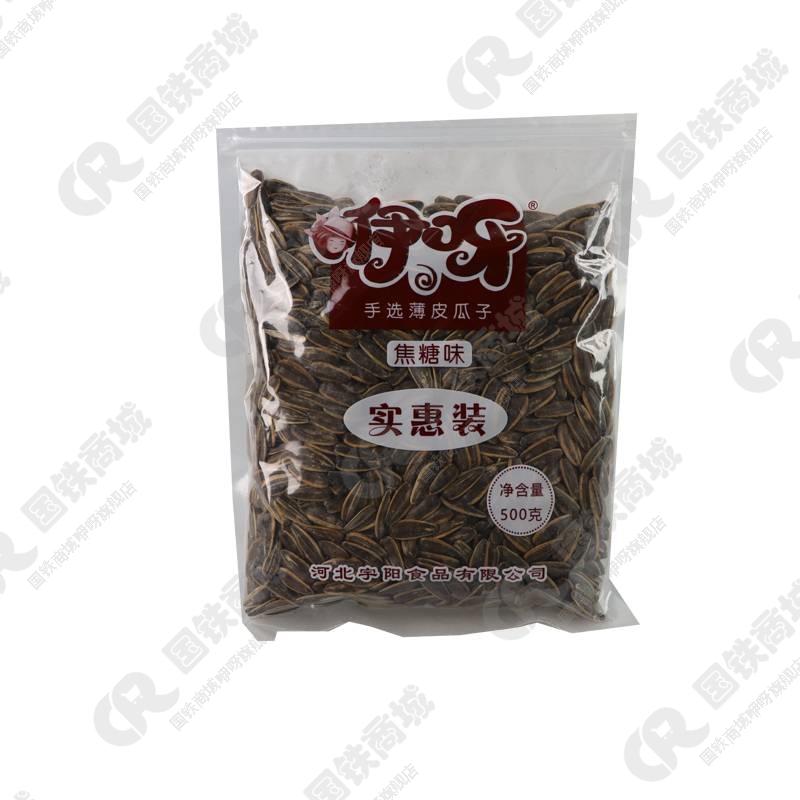
Common failure modes in china melon seeds for eating include rancidity, resulting from lipid oxidation, manifested as an off-flavor and odor. This is accelerated by exposure to oxygen, light, and elevated temperatures. Mechanical damage during handling and transportation can lead to shell breakage and seed fragmentation, reducing product appeal. Microbial contamination, typically by molds and yeasts, can occur if moisture content is inadequately controlled during drying and storage, leading to spoilage and potential mycotoxin production. Delamination of the seed coat, causing a powdery texture, can arise from improper roasting or excessive handling. Maintenance and prevention strategies involve stringent quality control during sourcing, drying, and roasting. Packaging in airtight, opaque containers with nitrogen flushing is crucial. Storage in cool, dry conditions (below 25°C and 60% relative humidity) minimizes oxidation and microbial growth. Regular sensory evaluation (taste, smell, appearance) and periodic laboratory testing (oil content, peroxide value, microbial counts) are essential for monitoring product quality and identifying potential issues before they compromise safety or consumer acceptance.
Industry FAQ
Q: What are the critical factors impacting the shelf-life of roasted melon seeds?
A: The primary factors are oil content, moisture content, packaging integrity, and storage conditions. High oil content, particularly unsaturated fatty acids, renders the seeds susceptible to rancidity. Insufficient drying or permeable packaging allows moisture ingress, promoting microbial growth. Exposure to oxygen, light, and elevated temperatures accelerates degradation. Airtight packaging with nitrogen flushing, combined with cool, dry storage, is essential.
Q: What is the acceptable level of acrylamide in roasted melon seeds?
A: Regulatory limits for acrylamide vary by region. The European Union currently sets a maximum level of 35 μg/kg for nuts and seeds. Monitoring and minimizing acrylamide formation requires careful control of roasting temperature and duration. Lower roasting temperatures and shorter roasting times generally reduce acrylamide levels, but may affect product flavor and texture.
Q: How do you ensure consistent roasting profiles across large-scale production batches?
A: Consistent roasting profiles rely on precise control of key parameters – temperature, roasting time, air circulation, and seed bed depth. Automated roasting systems with PID (Proportional-Integral-Derivative) controllers maintain stable temperatures. Continuous monitoring of seed temperature throughout the roasting process is critical. Statistical process control (SPC) charts track roasting parameters to identify and address deviations from target values.
Q: What methods are used to detect and quantify pesticide residues in melon seeds?
A: Gas chromatography-mass spectrometry (GC-MS) and liquid chromatography-mass spectrometry (LC-MS) are the primary techniques employed for pesticide residue analysis. Samples are prepared through solvent extraction and cleanup procedures before analysis. Quality control measures, including the use of certified reference materials and spiked samples, ensure accuracy and reliability of results.
Q: How does seed variety influence the final product quality and taste profile?
A: Seed variety significantly impacts oil content, protein content, seed size, and inherent flavor characteristics. Different melon cultivars yield seeds with varying fatty acid profiles, influencing the taste and oxidative stability. Seed size affects roasting uniformity and texture. Careful selection of high-quality seed varieties suited for roasting is therefore essential.
Conclusion
China melon seeds for eating represent a complex product whose quality hinges upon meticulous control of material science, manufacturing processes, and storage conditions. The interplay between oil content, moisture levels, roasting parameters, and packaging dictates the final product characteristics, including flavor, texture, and shelf-life. Addressing potential failure modes, such as rancidity and microbial spoilage, requires a comprehensive quality management system encompassing sourcing, processing, and distribution.
Future advancements in this industry will likely focus on optimizing roasting techniques to minimize acrylamide formation while preserving desirable flavor profiles, and developing novel packaging materials with enhanced barrier properties to extend shelf-life. Increased consumer demand for healthier snack options will drive research into seed varieties with improved nutritional profiles and the incorporation of natural antioxidants to enhance oxidative stability, ultimately solidifying the position of China melon seeds for eating within the global snack food market.
