Introduction
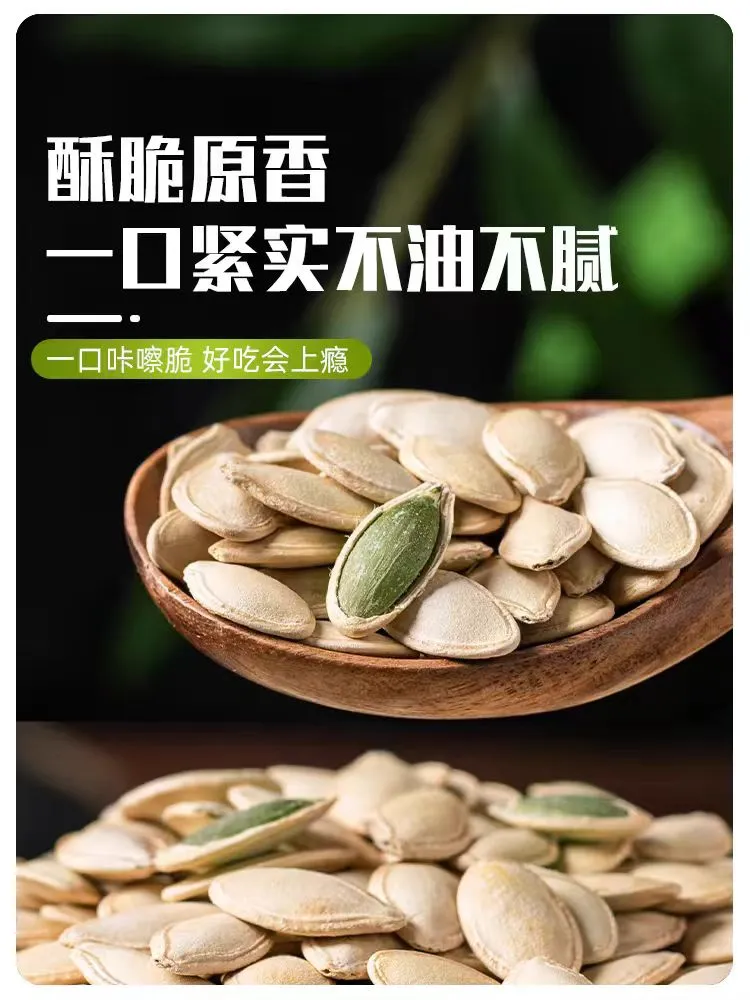
China melon seed cooking represents a significant segment within the global snack food industry, characterized by a traditional processing methodology and a rapidly evolving demand for flavor variety and quality. This guide details the technical aspects of processing Cucurbita pepo seeds – commonly referred to as melon seeds – into finished snack products, focusing on the key stages from raw material selection to final packaging. Melon seeds occupy a niche position due to their nutritional profile (high in unsaturated fatty acids, protein, and minerals), distinct flavor profile, and cultural significance, particularly within East Asian markets. The process involves careful control of moisture content, temperature, and processing duration to achieve desired textural characteristics and prevent rancidity. This document aims to provide a comprehensive technical overview for professionals involved in melon seed processing, quality control, and product development.
Material Science & Manufacturing
The primary raw material, Cucurbita pepo seeds, exhibits a complex chemical composition. The seed coat is comprised largely of cellulose and lignin, providing structural integrity. The kernel contains approximately 40-50% oil, primarily linoleic acid (omega-6) and oleic acid (omega-9), responsible for the characteristic flavor. Protein content ranges from 20-30%, consisting of globulins and albumins. Moisture content, upon harvest, is typically between 8-12%, but must be reduced to 5-7% for storage and processing to inhibit enzymatic activity and microbial growth. Manufacturing commences with seed extraction, cleaning (removal of pulp and debris), and drying. Drying is a critical step, typically employing hot-air ovens or fluidized bed dryers, with temperatures maintained below 60°C to prevent lipid oxidation. Following drying, seeds are typically subjected to a dehulling process, separating the kernel from the seed coat. This is achieved mechanically, often utilizing abrasive surfaces. The kernels are then graded based on size and quality. The core processing step involves roasting. This is typically conducted using rotary drum roasters or continuous flow roasters, with precise temperature control (140-180°C) and agitation to ensure uniform heating. Flavoring occurs post-roasting, through dry blending or application of liquid coatings containing seasonings, spices, and potentially emulsifiers to enhance adhesion. Finally, seeds are cooled and packaged in moisture-barrier materials to maintain freshness.
Performance & Engineering
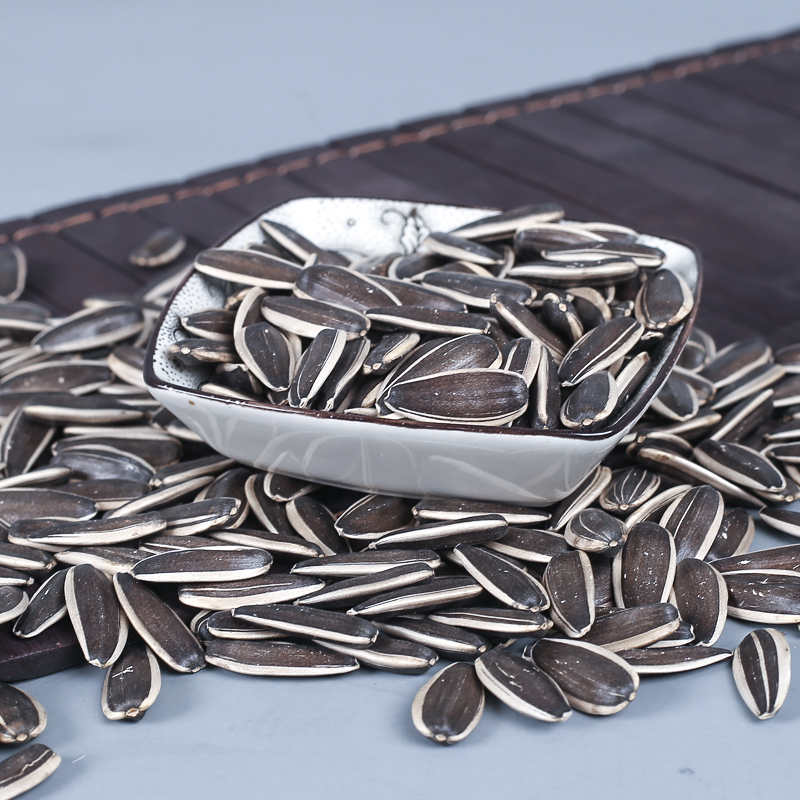
The performance of a finished melon seed product is fundamentally linked to its textural characteristics – namely, crispness and hardness. These properties are directly influenced by roasting parameters. The Maillard reaction, a non-enzymatic browning reaction between reducing sugars and amino acids, contributes significantly to flavor development and color formation during roasting. However, excessive temperatures or prolonged roasting can lead to the formation of acrylamide, a potentially harmful compound. Therefore, process optimization is crucial. Furthermore, the oil content and fatty acid profile dictate oxidative stability. Lipid oxidation leads to rancidity, characterized by off-flavors and a decrease in nutritional value. Environmental resistance is primarily governed by the packaging material. Oxygen transmission rate (OTR) and water vapor transmission rate (WVTR) are critical parameters. Packaging materials with low OTR and WVTR are essential to extend shelf life. Force analysis reveals that a desirable product exhibits a fracture strength between 20-40 Newtons, indicating optimal crispness. Compliance with food safety regulations, including limits on heavy metals (lead, cadmium) and microbial contamination, is paramount. Regulations vary by region, necessitating adherence to relevant standards (see section 7).
Technical Specifications
| Parameter | Unit | Typical Range | Testing Method |
|---|---|---|---|
| Moisture Content (Kernel) | % | 5-7 | Oven Drying (AOAC) |
| Oil Content | % | 40-50 | Soxhlet Extraction (AOAC) |
| Protein Content | % | 20-30 | Kjeldahl Method (AOAC) |
| Fracture Strength | N | 20-40 | Texture Analyzer (TA.XTplus) |
| Peroxide Value (Oil) | meq O2/kg | <5 | Titration (AOCS Cd 8-53) |
| Acrylamide Content | µg/kg | <100 | GC-MS (AOCS Ch 12-17) |
Failure Mode & Maintenance
Failure modes in melon seed products primarily stem from rancidity, textural degradation, and physical damage. Rancidity, as previously mentioned, results from lipid oxidation, accelerated by exposure to oxygen, light, and elevated temperatures. Mitigation involves employing antioxidant packaging materials (e.g., metallized films) and nitrogen flushing during packaging. Textural degradation manifests as loss of crispness, often attributed to moisture absorption during storage. Maintaining appropriate humidity control during packaging and storage is crucial. Physical damage, such as broken or chipped seeds, can occur during handling and processing. Optimizing the dehulling and roasting processes to minimize mechanical stress is essential. Maintenance of processing equipment (roasters, graders, packaging machinery) is critical for consistent product quality. Regular cleaning and lubrication are necessary. Roaster temperature sensors should be calibrated periodically. Belt conveyors should be inspected for wear and tear. Storage facilities must be maintained at cool, dry conditions (temperature <25°C, relative humidity <60%) to prevent deterioration. A robust quality control program, including regular sensory evaluations and laboratory testing, is essential for identifying and addressing potential issues.
Industry FAQ
Q: What is the optimal roasting profile to maximize flavor development while minimizing acrylamide formation?
A: The optimal roasting profile involves a staged heating approach. Initiate roasting at a lower temperature (140-150°C) for the initial phase to drive off surface moisture and promote Maillard reaction precursors. Subsequently, increase the temperature to 160-180°C for a shorter duration to complete the browning reaction. Precise control of roasting time is critical – prolonged exposure at high temperatures significantly increases acrylamide formation. Implementing real-time monitoring of seed temperature using infrared sensors can facilitate precise process control.
Q: How does the type of oil used in flavoring affect the shelf life of the finished product?
A: The type of oil used in flavoring significantly impacts shelf life. Oils high in polyunsaturated fatty acids (e.g., sunflower oil) are more susceptible to oxidation than oils high in monounsaturated fatty acids (e.g., olive oil). Consider using stable oils or incorporating antioxidants (e.g., tocopherols, BHA/BHT) into the flavoring formulation. Microencapsulation of the flavoring oil can also provide a protective barrier against oxidation.
Q: What are the key considerations for selecting packaging materials to ensure optimal barrier properties?
A: The primary considerations are oxygen transmission rate (OTR) and water vapor transmission rate (WVTR). Metallized films (e.g., metallized polyester) offer excellent barrier properties. Alternatively, multilayer films combining polyethylene (PE), polypropylene (PP), and ethylene vinyl alcohol (EVOH) can provide effective barrier protection. The choice depends on the desired shelf life and cost constraints. Nitrogen flushing during packaging further reduces oxygen levels within the package.
Q: How can we effectively control the moisture content during the drying process to prevent seed cracking?
A: Controlling the drying temperature and airflow rate is crucial. Employ a gradual drying process, starting at a lower temperature (40-50°C) and gradually increasing it as the moisture content decreases. Ensure uniform airflow distribution within the dryer to prevent localized overheating. The drying process should be terminated when the moisture content reaches the target level (5-7%). Seed size and variety also influence drying parameters; smaller seeds dry faster and are more prone to cracking.
Q: What quality control measures should be implemented to detect and prevent the presence of aflatoxins?
A: Aflatoxins are potent mycotoxins produced by Aspergillus species. Implement a rigorous raw material sourcing program, ensuring that seeds are sourced from reputable suppliers with established quality control systems. Conduct regular testing for aflatoxins using ELISA or HPLC methods. Maintain proper storage conditions to minimize mold growth. Thorough cleaning and sorting of raw materials can also help remove contaminated seeds.
Conclusion
The production of high-quality china melon seeds involves a complex interplay of material science, process engineering, and quality control. Achieving optimal textural characteristics, extending shelf life, and ensuring food safety require careful attention to detail at each stage of the process, from raw material selection to final packaging. Mastering the parameters governing roasting – temperature, time, and airflow – is particularly critical for maximizing flavor development and minimizing the formation of undesirable compounds.
Future advancements in melon seed processing are likely to focus on sustainable sourcing practices, innovative flavoring technologies, and enhanced packaging materials. Exploring alternative drying methods, such as microwave drying or infrared drying, could offer improved energy efficiency and product quality. Further research into the optimization of roasting profiles to minimize acrylamide formation is also warranted. Ultimately, a commitment to continuous improvement and adherence to stringent quality standards will be essential for maintaining competitiveness in the dynamic snack food market.
