Introduction
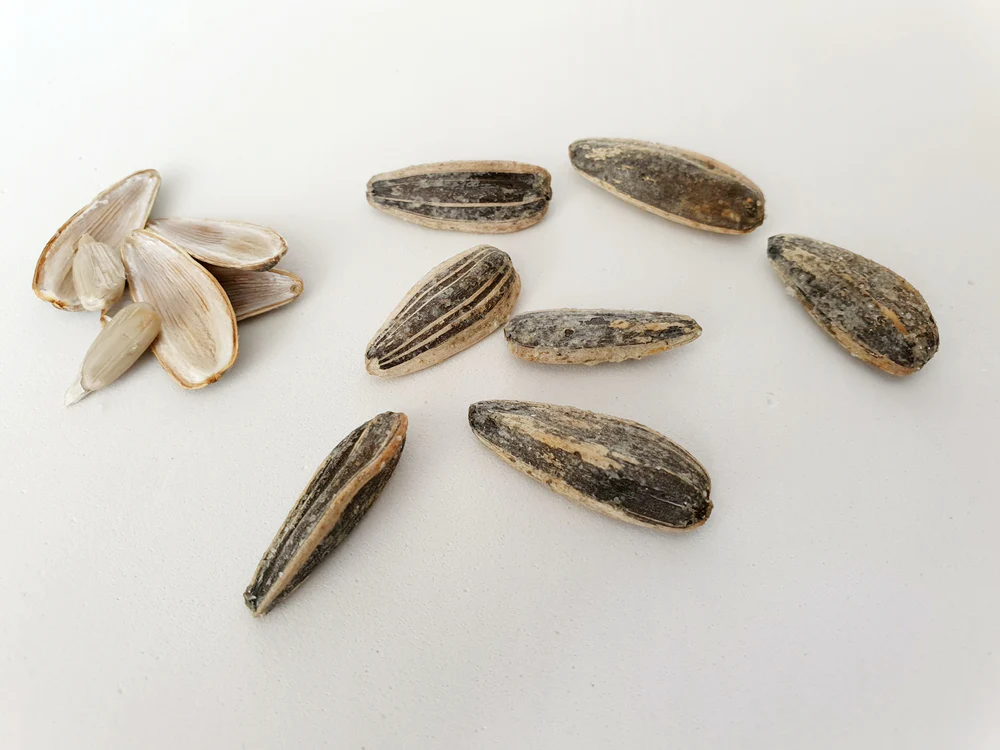
China melon seeds (specifically Cucurbita pepo varieties) and pumpkin seeds (Cucurbita moschata, Cucurbita maxima) represent significant agricultural products with growing global demand. Positioned within the broader seed and snack food industry, these seeds undergo processing – drying, shelling, roasting, and seasoning – to become a commercially valuable product. Their technical significance lies in their nutritional profile (high oil content, protein, vitamins, and minerals), functional properties (texture, flavor), and shelf-life stability. This guide provides a comprehensive technical overview of their material science, manufacturing, performance characteristics, potential failure modes, and relevant industry standards. Core industry pain points include ensuring consistent seed quality (varietal purity, maturity), optimizing processing parameters to maintain nutritional value and avoid off-flavors, managing lipid oxidation for extended shelf life, and complying with stringent food safety regulations. The differing seed morphology and chemical composition between melon and pumpkin seeds present unique challenges in processing and quality control.
Material Science & Manufacturing
The raw materials, melon and pumpkin seeds, exhibit distinct material properties. Melon seeds typically have a smoother surface and smaller size compared to pumpkin seeds. Chemically, both are primarily composed of lipids (35-50% dry weight), proteins (20-30%), carbohydrates (10-15%), and fiber. Lipid composition varies considerably, impacting oxidative stability and flavor development. Pumpkin seeds tend to have higher levels of unsaturated fatty acids, particularly linoleic acid, making them more susceptible to rancidity. Manufacturing begins with harvesting at physiological maturity, crucial for oil content and germination rate (even if not intended for planting). Post-harvest drying, typically using hot air ovens, reduces moisture content to around 8-10% to inhibit microbial growth and enzymatic activity. Key parameters include air temperature (50-70°C) and drying time, which must be optimized to prevent cracking or denaturation of proteins. Shelling, either mechanically or manually, removes the outer hull. Roasting, generally at 120-180°C, develops characteristic flavors through Maillard reactions and caramelization. Roasting time and temperature critically influence color, texture (crunchiness), and the formation of acrylamide (a potential carcinogen). Seasoning, involving the application of salt, spices, or flavorings, completes the process. Quality control at each stage involves moisture content analysis, oil content determination (Soxhlet extraction), peroxide value measurement (to assess lipid oxidation), and visual inspection for defects.

Performance & Engineering
The performance of both seed types is intrinsically linked to their mechanical properties and resistance to environmental factors during processing and storage. Force analysis during shelling indicates the fracture strength of the seed coat, impacted by moisture content and seed variety. Optimizing shelling parameters minimizes seed breakage. Environmental resistance is primarily concerned with maintaining quality during storage. Oxygen permeation through packaging materials is a critical factor driving lipid oxidation. Barrier properties of packaging films (OTR – Oxygen Transmission Rate, WVTR – Water Vapor Transmission Rate) are vital. Modified Atmosphere Packaging (MAP) utilizing nitrogen flushing can significantly extend shelf life by reducing oxygen levels. Compliance requirements involve adherence to food safety standards (HACCP – Hazard Analysis and Critical Control Points) and regulatory limits for contaminants such as heavy metals (lead, cadmium) and aflatoxins. The functional implementation of these seeds in food products (snack mixes, cereals, confectionery) requires consideration of their texture (crunchiness quantified using texture profile analysis), dispersibility, and flavor release characteristics. Particle size distribution after grinding also impacts functionality in baked goods.
Technical Specifications
| Parameter | China Melon Seeds (Typical) | Pumpkin Seeds (Typical) | Testing Method |
|---|---|---|---|
| Moisture Content (%) | 8-10 | 7-9 | Oven Drying (AOAC) |
| Oil Content (%) | 38-45 | 45-55 | Soxhlet Extraction (AOAC) |
| Protein Content (%) | 22-28 | 25-32 | Kjeldahl Method (AOAC) |
| Peroxide Value (meq O2/kg) | < 5 | < 6 | Titration (AOCS) |
| Shelling Rate (%) | 85-90 | 75-85 | Visual Inspection & Weighing |
| Water Activity (Aw) | 0.5 - 0.6 | 0.5 - 0.65 | Water Activity Meter |
Failure Mode & Maintenance
Failure modes in both melon and pumpkin seeds can be categorized as physical, chemical, and biological. Physical failures include seed coat cracking during drying or shelling (due to rapid moisture loss or excessive mechanical stress), chipped or broken kernels during roasting, and loss of texture during storage. Chemical failures primarily involve lipid oxidation leading to rancidity, evidenced by off-flavors and increased peroxide value. This is accelerated by exposure to oxygen, light, and elevated temperatures. Acrylamide formation during roasting is another chemical concern. Biological failures encompass microbial contamination (molds, bacteria) resulting in spoilage and potential mycotoxin production (aflatoxins). Maintenance strategies focus on preventative measures. Proper drying techniques, optimized roasting parameters, the use of antioxidant packaging materials (e.g., metallized films), controlled storage conditions (low temperature, low humidity), and regular monitoring of peroxide value and microbial load are crucial. Implementing a robust HACCP system is essential for identifying and controlling potential hazards. For damaged seeds, segregation and discarding are necessary to prevent cross-contamination. Seed coatings with antioxidants can also be employed to enhance oxidative stability.
Industry FAQ
Q: What is the primary difference in shelf life between melon and pumpkin seeds, and how is it managed?
A: Pumpkin seeds, generally having a higher unsaturated fatty acid content, are more susceptible to lipid oxidation and therefore have a shorter shelf life compared to melon seeds, assuming equal storage conditions. Shelf life is managed through the use of oxygen-barrier packaging (low OTR), modified atmosphere packaging (nitrogen flushing), the addition of antioxidants (e.g., tocopherols) to the seed or packaging, and maintaining low storage temperatures (below 15°C). Regular monitoring of peroxide value is crucial for assessing rancidity development.
Q: How does the roasting process impact acrylamide formation, and what mitigation strategies can be employed?
A: Roasting, particularly at higher temperatures (above 180°C) and longer durations, promotes acrylamide formation due to the Maillard reaction between reducing sugars and asparagine. Mitigation strategies include optimizing roasting parameters (reducing temperature and time), controlling raw material sugar content, and potentially using asparaginase enzymes to reduce asparagine levels prior to roasting.
Q: What are the key considerations for packaging to ensure optimal barrier properties and prevent lipid oxidation?
A: The key considerations are selecting packaging materials with low oxygen transmission rates (OTR) and low water vapor transmission rates (WVTR). Metallized films or multi-layer structures incorporating EVOH (ethylene vinyl alcohol) are commonly used. Vacuum packaging or nitrogen flushing further reduces oxygen levels. Packaging should also be light-protective to minimize photo-oxidation.
Q: What quality control tests are essential throughout the processing chain, from raw material sourcing to finished product?
A: Essential tests include moisture content analysis (raw material and finished product), oil content determination (raw material and finished product), peroxide value measurement (to assess rancidity), aflatoxin testing (raw material), microbial load assessment (throughout processing), shelling rate determination, visual inspection for defects (cracked seeds, foreign material), and texture profile analysis (finished product).
Q: What are the major international standards applicable to the production and export of these seeds?
A: Major standards include HACCP (food safety management), ISO 22000 (food safety management), Codex Alimentarius (international food standards), and specific national regulations regarding contaminants (heavy metals, pesticides, mycotoxins). Compliance with EU regulations regarding acrylamide levels is also crucial for exporting to European markets.
Conclusion
China melon seeds and pumpkin seeds represent valuable food commodities requiring meticulous attention to material science and processing parameters. Optimizing drying, shelling, and roasting processes – coupled with appropriate packaging and storage conditions – is critical for preserving their nutritional value, ensuring food safety, and maximizing shelf life. Addressing the inherent challenges related to lipid oxidation and potential acrylamide formation necessitates a proactive approach to quality control and the implementation of preventative measures throughout the entire supply chain.
Future developments in this field will likely focus on innovative packaging technologies utilizing active or intelligent packaging systems, genetic improvements to enhance oxidative stability in seed varieties, and the development of more efficient and environmentally friendly processing techniques. Continued adherence to international standards and a commitment to rigorous quality control will be paramount for maintaining consumer trust and expanding the global market for these nutritious and versatile seeds.
