Introduction
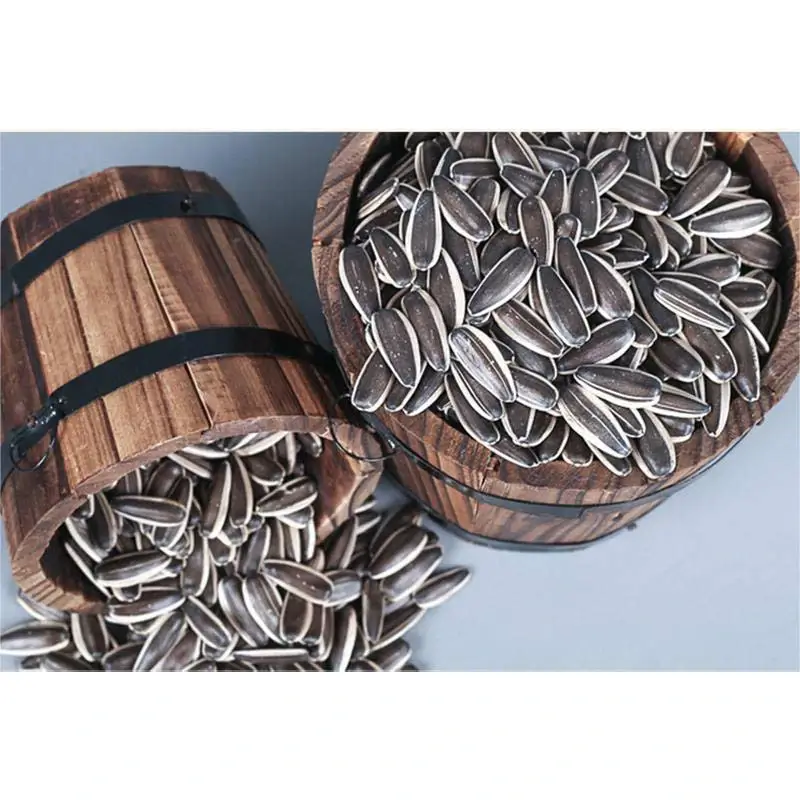
China melon seeds (Cucurbita pepo var. pepo) represent a significant agricultural commodity and traditional snack food, particularly prevalent in East Asian markets. Technically positioned within the broader cucurbit family, these seeds undergo harvesting, processing, and flavoring to create a ready-to-eat product. Their industrial relevance lies in the scale of production, the complexities of maintaining consistent quality across batches, and the increasing demand for both conventional and organically grown varieties. Core performance characteristics include seed size, oil content, protein content, hull strength, and flavor profile – all impacting consumer acceptance and processing efficiency. The industry faces key pain points regarding aflatoxin contamination, maintaining optimal roasting parameters for flavor development without inducing acrylamide formation, and consistent shell cracking rates during processing. Standardization of grading criteria and reliable analytical methods for seed composition remain critical areas for improvement.
Material Science & Manufacturing
The raw material, melon seeds, comprise primarily of lipids (40-50% by weight), proteins (20-30%), carbohydrates (10-15%), and moisture (5-10%). Lipids are predominantly unsaturated fatty acids, specifically linoleic acid, contributing to nutritional value but also susceptibility to rancidity. The seed hull is composed of cellulose, hemicellulose, and lignin, providing structural integrity. Manufacturing begins with harvesting mature melons, followed by seed extraction and cleaning. Critical parameters during drying – typically employing hot air ovens – include temperature (40-60°C) and airflow to minimize enzymatic degradation and maintain oil quality. Subsequent hulling utilizes mechanical abrasion, with shell fracture strength being a key physical property influencing efficiency. Roasting, a crucial step for flavor development, involves controlled heating (120-180°C) and agitation. Roasting parameter control (temperature, duration, agitation rate) is paramount to prevent acrylamide formation (a byproduct of Maillard reaction) and ensure uniform roasting. Flavoring involves coating the roasted seeds with salt, spices, and occasionally sugar, followed by cooling and packaging. Chemical compatibility of flavoring agents with the seed oil must be considered to prevent off-flavor development and maintain shelf life. Vacuum packaging is often employed to minimize oxygen exposure and extend product stability.
Performance & Engineering
Performance evaluation centers on several key areas. Shell strength, measured via fracture resistance testing, dictates hulling efficiency and seed damage during processing. Oil extraction yield, typically determined via Soxhlet extraction, assesses the efficiency of oil recovery. Force analysis during hulling involves quantifying the force required to crack the seed shell, directly impacting equipment design and operational parameters. Environmental resistance considerations include moisture sensitivity, which can induce rancidity and microbial growth. Packaging materials must provide adequate barrier properties (water vapor transmission rate, oxygen transmission rate) to mitigate these effects. Compliance requirements include adherence to food safety regulations concerning aflatoxin levels (regulated by various national and international bodies, see standards section), heavy metal contamination, and pesticide residue limits. Functional implementation, specifically flavor adherence, relies on optimizing coating viscosity and seed surface roughness for uniform seasoning distribution. Shelf-life stability is assessed via accelerated aging studies, monitoring peroxide value (an indicator of lipid oxidation), color changes, and sensory attributes over time. Maintaining a consistent particle size distribution (via sieving) after hulling is vital for uniform roasting and seasoning adhesion.
Technical Specifications
| Parameter | Unit | Typical Value (Conventional) | Typical Value (Organic) |
|---|---|---|---|
| Moisture Content | % (w/w) | 8-10 | 9-12 |
| Oil Content | % (w/w) | 45-50 | 40-48 |
| Protein Content | % (w/w) | 25-30 | 28-32 |
| Hull Strength (Fracture Force) | N | 20-30 | 22-35 |
| Aflatoxin B1 | ppb | < 2 ppb | < 1 ppb |
| Peroxide Value (after 3 months storage) | meq O2/kg | < 5 | < 4 |
Failure Mode & Maintenance
Failure modes in china melon seed processing and storage are diverse. Rancidity, resulting from lipid oxidation, is a common issue, accelerated by exposure to oxygen, light, and elevated temperatures. This manifests as off-flavors and reduced nutritional value. Shell cracking during hulling, often due to uneven seed size or excessive mechanical force, leads to seed damage and reduced yield. Aflatoxin contamination, caused by fungal growth (Aspergillus flavus and A. parasiticus), is a critical food safety concern. Acrylamide formation during roasting, particularly at higher temperatures and longer durations, poses a health risk. Maintenance protocols involve regular cleaning of processing equipment to prevent microbial contamination and buildup of seed debris. Temperature and humidity control in storage facilities are crucial to minimize rancidity and aflatoxin growth. Regular testing for aflatoxin levels and peroxide value is essential for quality control. Equipment maintenance includes lubrication of moving parts, replacement of worn components (e.g., hulling abrasives), and calibration of temperature sensors. Preventative measures against aflatoxin include sourcing seeds from reputable suppliers with robust quality control systems and implementing proper drying and storage practices.
Industry FAQ
Q: What are the critical control points for minimizing aflatoxin contamination in china melon seeds?
A: Critical control points include sourcing seeds from regions with low aflatoxin prevalence, proper drying to reduce moisture content below 10%, thorough cleaning to remove damaged or moldy seeds, and implementing storage conditions that minimize humidity and temperature fluctuations. Regular testing at each stage is paramount.
Q: How can we optimize the roasting process to maximize flavor development while minimizing acrylamide formation?
A: Optimization involves careful control of roasting temperature (generally keeping it below 180°C), roasting duration, and agitation rate. Rapid roasting at higher temperatures favors acrylamide formation. Using reducing sugars in the seasoning blend can also contribute to acrylamide formation and should be minimized. Monitoring seed color during roasting provides visual feedback.
Q: What are the key differences between conventional and organic china melon seeds in terms of processing requirements?
A: Organic seeds require adherence to organic certification standards, prohibiting the use of synthetic pesticides and fertilizers. This can result in higher susceptibility to mold growth and requires more stringent cleaning and quality control procedures. Oil content may also be slightly lower in organically grown seeds.
Q: How do you determine the optimal hulling parameters to maximize yield and minimize seed damage?
A: Optimal hulling parameters depend on seed variety and hull strength. This requires experimentation to determine the appropriate abrasion intensity, feed rate, and impact force. Monitoring seed damage (measured as cracked or broken seeds) and hulling yield provides feedback for optimization. Particle size analysis of the hulled seeds can also provide valuable data.
Q: What packaging materials are best suited for maintaining the quality and extending the shelf life of roasted and seasoned china melon seeds?
A: Multi-layer films with excellent barrier properties against oxygen, moisture, and light are recommended. Metallized polyester or aluminum foil laminates offer superior protection. Vacuum packaging or modified atmosphere packaging (MAP) with nitrogen flushing can further extend shelf life by reducing oxygen exposure. The packaging should also be food-grade and compliant with relevant regulations.
Conclusion
China melon seed processing presents a complex interplay of material science, engineering controls, and food safety considerations. Achieving consistently high-quality product necessitates meticulous control over each stage, from seed selection and drying to roasting, flavoring, and packaging. Effective management of key parameters such as moisture content, oil oxidation, aflatoxin levels, and acrylamide formation is critical for maintaining product safety, nutritional value, and consumer appeal.
Future developments will likely focus on improved seed varieties with enhanced oil content and hull strength, optimized roasting technologies to minimize acrylamide formation, and innovative packaging solutions to extend shelf life and maintain freshness. Continuous monitoring and adherence to evolving food safety regulations will remain paramount to ensuring the long-term sustainability of the industry.
