Introduction
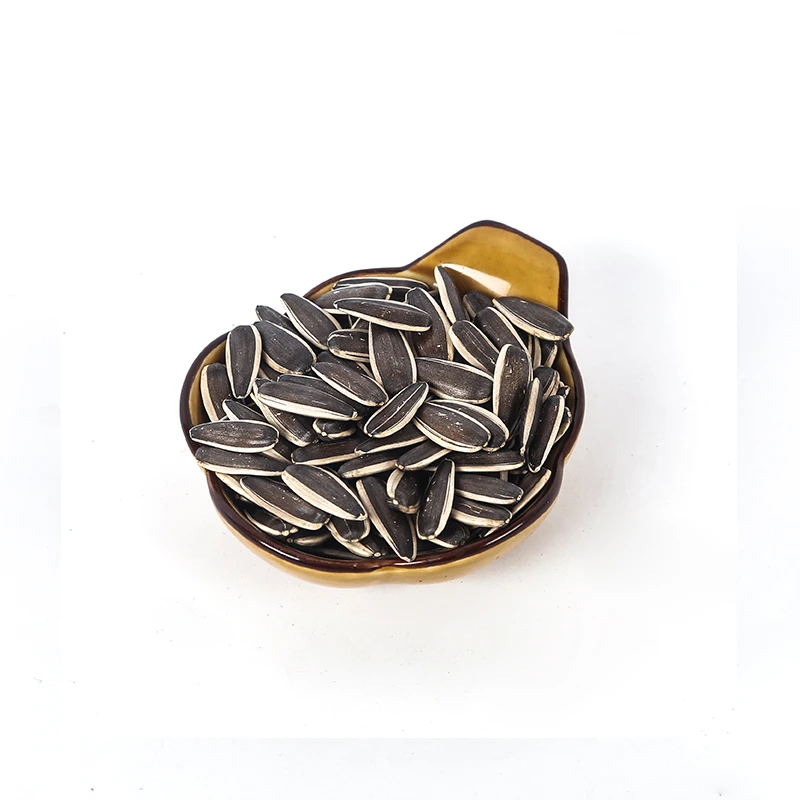
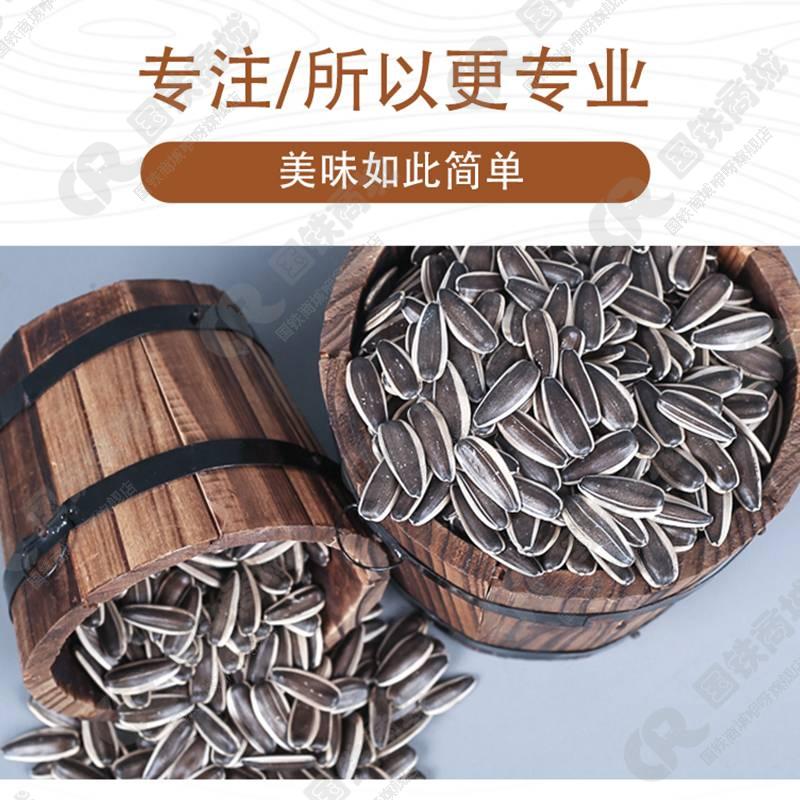
China hulled sunflower seeds ( Helianthus annuus) represent a significant commodity within the global edible seed market. These seeds, derived from the sunflower plant, undergo a dehulling process to remove the outer shell, resulting in a kernel ready for direct consumption or further processing. From a technical standpoint, hulled sunflower seeds are positioned as a high-protein, high-fat food source, demanding stringent quality control across harvesting, processing, and storage. The industry chain involves agricultural cultivation, mechanical harvesting, drying, dehulling, sorting, grading, packaging, and distribution. Core performance characteristics center around kernel plumpness, oil content, protein content, moisture level, and freedom from foreign material and mycotoxins. The increasing demand is driven by consumer preference for healthy snacking options and the seeds’ versatile applications in confectionery, baking, and as an ingredient in various food products. Understanding the intricacies of these seeds – from their composition to processing effects – is crucial for maintaining quality and maximizing value within the supply chain.
Material Science & Manufacturing
The raw material, sunflower seeds, are composed primarily of oil (40-50%), protein (18-25%), carbohydrates (15-20%), and fiber (5-10%). The oil is rich in linoleic acid, an essential omega-6 fatty acid. The protein fraction contains a substantial amount of essential amino acids. Manufacturing begins with harvesting at optimal maturity, indicated by a darkening of the seed head and a moisture content of around 20-25%. Mechanical harvesting utilizes combine harvesters equipped with seed-saving heads. Post-harvest drying is critical, typically employing forced-air systems to reduce moisture content to 8-10% to inhibit microbial growth and enzymatic activity. The dehulling process is the core manufacturing step. Commercial dehulling employs impact-type hullers, where seeds are struck against a rotating abrasive surface. This generates shear forces, separating the hull from the kernel. Key parameter control during dehulling includes impact velocity, abrasive surface characteristics (grit size, material), and seed feed rate. Improper control can lead to kernel damage (cracking, splitting) and increased hull fragments. Sorting and grading are performed using optical sorters and screens to remove damaged kernels, foreign material, and hulls. Further processing can include seasoning (salting, flavoring) and roasting, impacting final product characteristics. Thermal treatment needs precise temperature and time control to avoid lipid oxidation and flavor degradation.
Performance & Engineering
Performance evaluation of hulled sunflower seeds focuses on several key parameters. Kernel hardness, measured via compression testing, correlates with processing resistance and consumer texture perception. Oil content, determined via Soxhlet extraction, is a primary economic driver. Protein content is assessed using Kjeldahl or Dumas methods. Moisture content, measured by oven drying, impacts storage stability and microbial growth. Environmental resistance during storage is critical. Exposure to elevated temperatures and humidity accelerates lipid oxidation, resulting in rancidity and off-flavors. Packaging materials (typically polyethylene or laminated films) must provide a barrier against oxygen and moisture. Compliance requirements necessitate adherence to food safety regulations, including maximum permissible levels of mycotoxins (aflatoxins, ochratoxin A) established by national and international bodies. Force analysis during dehulling demonstrates the need for optimized impact energy to maximize hull removal while minimizing kernel damage. Engineered parameters such as huller rotor speed, abrasive surface texture, and seed feed rate are optimized through statistical experimental design (DOE) to maximize processing efficiency and kernel quality.
Technical Specifications
| Parameter | Unit | Typical Value (China Hulled Sunflower Seeds) | Testing Method |
|---|---|---|---|
| Oil Content | % (dry weight basis) | 48-58 | Soxhlet Extraction (GB/T 5009.6) |
| Protein Content | % (dry weight basis) | 20-28 | Kjeldahl Method (GB/T 5009.5) |
| Moisture Content | % | 7-10 | Oven Drying (GB/T 5009.3) |
| Kernel Hardness | N (Newtons) | 80-150 | Compression Testing (ASTM D698) |
| Aflatoxin B1 | µg/kg | <2 | HPLC (GB 50008.198) |
| Broken Kernels & Hull Fragments | % | <3 | Visual Inspection/Sieving |
Failure Mode & Maintenance
Hulled sunflower seeds are susceptible to several failure modes. Lipid oxidation is a primary concern, leading to rancidity and off-flavors, especially during prolonged storage. This is accelerated by exposure to oxygen, light, and elevated temperatures. Kernel cracking and splitting occur during dehulling due to excessive impact force or improper equipment settings. These damaged kernels are more vulnerable to moisture absorption and microbial contamination. Mycotoxin contamination, particularly by aflatoxins, can occur pre-harvest in the field or during storage, posing a significant health risk. Delamination, or separation of the kernel’s cotyledons, can occur during processing or handling. Maintenance of processing equipment is crucial to prevent these failures. Regular cleaning and lubrication of hullers minimize friction and reduce kernel damage. Calibration of optical sorters ensures accurate removal of defective kernels. Implementation of proper storage conditions – low temperature (below 15°C), low humidity (below 65%), and protection from light – is essential for maintaining product quality and preventing lipid oxidation and mycotoxin formation. Regular quality control testing for aflatoxins and peroxide value (an indicator of lipid oxidation) is also critical.
Industry FAQ
Q: What are the critical factors influencing oil quality and stability in hulled sunflower seeds?
A: Oil quality is primarily affected by the fatty acid profile, particularly the linoleic acid content. Stability is influenced by the presence of antioxidants (vitamin E), storage temperature, exposure to oxygen and light, and the activity of lipolytic enzymes. Minimizing exposure to these factors through proper storage and packaging is crucial.
Q: How do different dehulling techniques impact kernel damage and processing yield?
A: Impact-type hullers are common, but can result in higher kernel damage if parameters are not optimized. Other techniques, such as roller hullers, generally result in lower damage but may have lower processing yields. Parameter optimization (impact velocity, abrasive surface) is key to balancing yield and quality.
Q: What are the acceptable limits for aflatoxin contamination, and how is it monitored?
A: Acceptable limits vary by country, but typically fall below 2 µg/kg for total aflatoxins. Monitoring is performed using HPLC analysis. Regular sampling and testing throughout the supply chain (field, storage, processing) are essential to ensure compliance.
Q: What packaging materials are best suited for preserving the quality of hulled sunflower seeds during long-term storage?
A: Multi-layer laminated films with high barrier properties against oxygen and moisture are preferred. Materials containing aluminum foil or metallized layers offer excellent protection. Vacuum packaging or modified atmosphere packaging (MAP) with nitrogen flushing can further extend shelf life.
Q: What are the typical causes of rancidity in hulled sunflower seeds, and how can it be prevented?
A: Rancidity is caused by lipid oxidation, resulting in off-flavors and odors. It’s primarily caused by exposure to oxygen, light, heat, and the activity of lipolytic enzymes. Prevention includes proper storage (low temperature, low humidity, darkness), use of antioxidant packaging, and minimizing handling.
Conclusion
China hulled sunflower seeds represent a complex agricultural product with stringent quality requirements throughout the supply chain. Maintaining optimal kernel quality hinges on meticulous control of critical parameters during harvesting, drying, dehulling, and storage. Understanding the material science underpinning the seeds – their oil and protein composition, susceptibility to oxidation, and potential for mycotoxin contamination – is paramount. Adherence to international standards and implementation of robust quality control programs are non-negotiable for ensuring food safety and maximizing product value.
Future advancements may focus on optimizing dehulling processes to minimize kernel damage and improve yield, developing novel packaging materials with enhanced barrier properties, and implementing predictive modeling for storage stability based on environmental conditions. Continued research into the antioxidant properties of sunflower seeds and their impact on oil stability will also be crucial for meeting evolving consumer demands for healthy and high-quality food products.
