Introduction
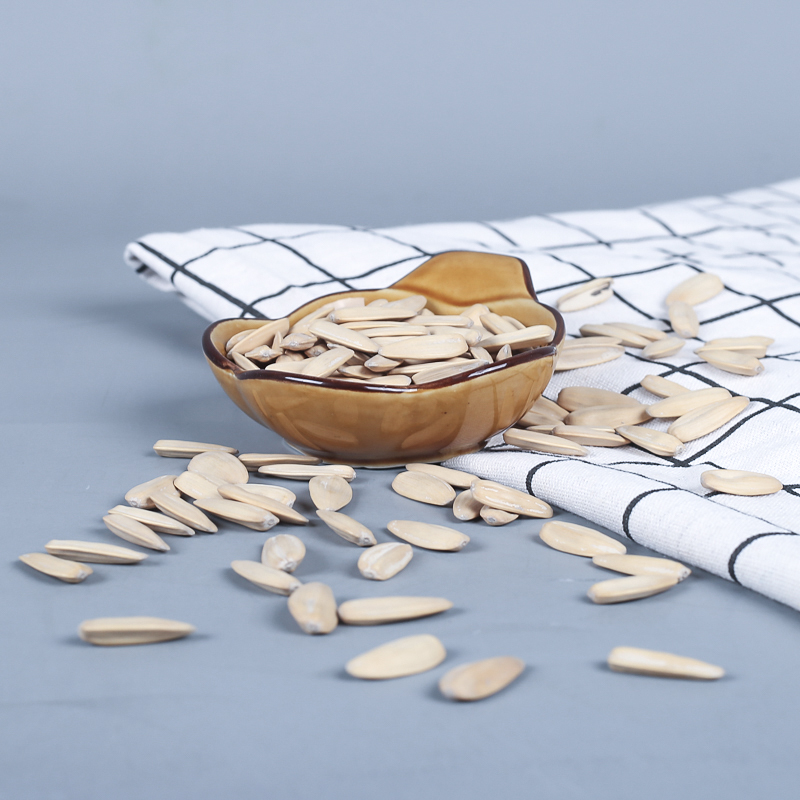
China Giant Sunflower Seeds represent a specialized cultivar of Helianthus annuus, optimized for large seed size and high oil content. Positioned within the agricultural commodity chain as a post-harvest product, these seeds serve primarily the snack food and confectionary industries. Their technical significance lies in the confluence of genetic selection, optimized agronomic practices, and post-harvest processing techniques that yield an unusually large kernel size (typically exceeding 25mm in length), coupled with a high degree of hullability and a favorable oil-to-protein ratio. Core performance characteristics include seed weight, oil content (expressed as a percentage of dry weight), protein content, moisture content, and absence of mycotoxins, all of which directly impact nutritional value, processing efficiency, and shelf life. The increasing demand for healthy snack foods and the growing consumer preference for natural ingredients drive the commercial importance of this product.
Material Science & Manufacturing
The foundational material science of China Giant Sunflower Seeds centers on the composition of the kernel. The seed comprises approximately 40-50% oil, primarily linoleic acid (an omega-6 fatty acid) and oleic acid (an omega-9 fatty acid). Protein content typically ranges from 20-25%, consisting of globulins, albumins, and prolamin proteins. Carbohydrates (around 15-20%) are primarily stored as starch in the cotyledons. The seed coat, or hull, is composed largely of cellulose and lignin, providing a protective barrier. Manufacturing begins with specialized breeding programs focused on maximizing seed size and oil yield. This is followed by optimized agronomic practices – soil preparation, fertilization (nitrogen, phosphorus, potassium), irrigation, and pest control – to promote vigorous plant growth and seed development. Harvesting is crucial, with moisture content ideally around 18-20% at the time of collection to minimize seed damage. Post-harvest processing involves drying to reduce moisture to 8-10% for long-term storage, cleaning to remove debris and foreign matter, dehulling (mechanical removal of the seed coat), grading based on size and quality, and finally, packaging. Critical parameters during drying include temperature control (below 45°C to prevent oil oxidation) and air circulation. Dehulling efficiency is directly related to hull tenacity and kernel moisture content. Proper storage conditions – low temperature (below 15°C) and low humidity – are vital to prevent rancidity and insect infestation.
Performance & Engineering
Performance assessment of China Giant Sunflower Seeds necessitates evaluation of several key engineering properties. Seed hardness, measured using a penetrometer, dictates dehulling efficiency and susceptibility to cracking during processing. Shelling force, the force required to remove the kernel from the hull, is critical in designing efficient dehulling machinery. Moisture content, as previously stated, significantly impacts storage stability and processing parameters. Seed density, determined via displacement methods, influences grading and packaging efficiency. Environmental resistance focuses primarily on storage conditions. The seeds are susceptible to lipid oxidation, leading to rancidity and off-flavors, necessitating storage in airtight containers under nitrogen or vacuum conditions. Microbial growth, particularly molds producing mycotoxins (aflatoxins, ochratoxins), poses a significant food safety concern. Therefore, proper drying, storage sanitation, and the use of antifungal treatments are essential. Compliance requirements are dictated by food safety regulations in importing countries (e.g., FDA in the US, EFSA in Europe). These regulations specify maximum allowable levels of mycotoxins, heavy metals, and pesticide residues. The seeds must also meet standards for seed purity and germination rate, particularly if intended for replanting or animal feed. Force analysis during dehulling considers the impact force on the kernels to minimize damage and maximize yield.
Technical Specifications
| Parameter | Unit | Typical Value | Test Method |
|---|---|---|---|
| Kernel Length | mm | 25-35 | Visual Inspection/Caliper |
| Kernel Width | mm | 15-22 | Visual Inspection/Caliper |
| Kernel Thickness | mm | 8-12 | Visual Inspection/Caliper |
| Oil Content (Dry Weight Basis) | % | 48-55 | Soxhlet Extraction (AOCS Official Method) |
| Protein Content (Dry Weight Basis) | % | 20-25 | Kjeldahl Method (AOCS Official Method) |
| Moisture Content | % | 8-10 | Oven Drying (AACC Method 925) |
Failure Mode & Maintenance
Failure modes in China Giant Sunflower Seeds can be categorized into several areas. Physical damage during harvesting and processing, such as kernel cracking and shell fragmentation, reduces market value. Lipid oxidation, triggered by exposure to oxygen, light, and elevated temperatures, leads to rancidity, manifesting as off-flavors and reduced nutritional value. Microbial contamination, particularly by molds like Aspergillus species, results in mycotoxin production, rendering the seeds unsafe for consumption. Insect infestation, especially by storage pests, causes significant losses in both quantity and quality. Degradation of protein content due to enzymatic activity during prolonged storage also occurs. Maintenance strategies focus on preventative measures. Proper drying and storage are paramount, employing low temperatures and controlled humidity. The use of airtight packaging and nitrogen flushing minimizes oxidation. Regular inspection for insect infestation and the application of approved insecticides are necessary. Mycotoxin control relies on pre-harvest practices (disease-resistant varieties, proper irrigation), post-harvest sanitation, and the potential application of antifungal treatments. Quality control measures throughout the processing chain – cleaning, grading, and dehulling – minimize physical damage. Furthermore, a robust traceability system allows for quick identification and recall of contaminated batches.
Industry FAQ
Q: What is the typical shelf life of China Giant Sunflower Seeds under optimal storage conditions?
A: Under optimal storage conditions – temperature below 15°C, relative humidity below 65%, airtight packaging, and protection from light – China Giant Sunflower Seeds can maintain acceptable quality for up to 18-24 months. However, regular monitoring of oil quality (peroxide value) and moisture content is recommended to detect any signs of deterioration.
Q: How does the oil content of these seeds compare to standard confectionery sunflower seeds?
A: China Giant Sunflower Seeds typically exhibit a higher oil content (48-55%) compared to standard confectionery sunflower seeds (typically 40-45%). This higher oil content contributes to their richer flavor and texture, making them particularly desirable for snack food applications.
Q: What are the critical control points for mycotoxin contamination in these seeds?
A: Critical control points include pre-harvest disease management (controlling insect damage that provides entry points for fungal infection), proper harvesting timing (avoiding harvest during periods of high humidity), rapid and thorough drying after harvest, and maintaining sanitary storage conditions. Regular testing for aflatoxins and ochratoxins is also essential.
Q: What dehulling methods are most effective for maximizing kernel integrity with these large seeds?
A: Centrifugal dehullers and impact dehullers are commonly used. Optimized parameters, including impeller speed, impact force, and feed rate, are crucial to minimize kernel damage. Pre-conditioning the seeds by adjusting moisture content can also improve dehulling efficiency and reduce cracking.
Q: What international regulations govern the import of these seeds into the European Union?
A: Import into the EU is governed by Regulation (EC) No 1881/2006, which sets maximum levels for contaminants in foodstuffs, including mycotoxins (aflatoxins, ochratoxin A), heavy metals (lead, cadmium), and pesticide residues. The seeds must also comply with the EU's phytosanitary requirements to prevent the introduction of plant pests and diseases.
Conclusion
China Giant Sunflower Seeds represent a technically refined agricultural product, leveraging advances in plant breeding and post-harvest technology. Their superior characteristics – large kernel size, high oil content, and favorable nutritional profile – position them as a premium ingredient in the snack food and confectionary sectors. Successful production and maintenance of quality rely heavily on meticulous control of agronomic practices, processing parameters, and storage conditions.
Looking ahead, further research into genetic enhancement for improved oil quality (higher oleic acid content) and enhanced disease resistance, coupled with the development of more efficient and less damaging dehulling technologies, will be crucial for sustaining the competitiveness of this product in the global market. Ensuring compliance with increasingly stringent food safety regulations remains a critical priority.
